
ATG LC15 White | Wall Drying | Device for Damp Walls
1390,00 €
Wall drying.
Fast and easy installation.
Secure payment
in 3 or 4 installments (free of charge).
French manufacturing.
Free delivery.
Parcel shipped within 7 days with Colissimo tracked delivery.
Description
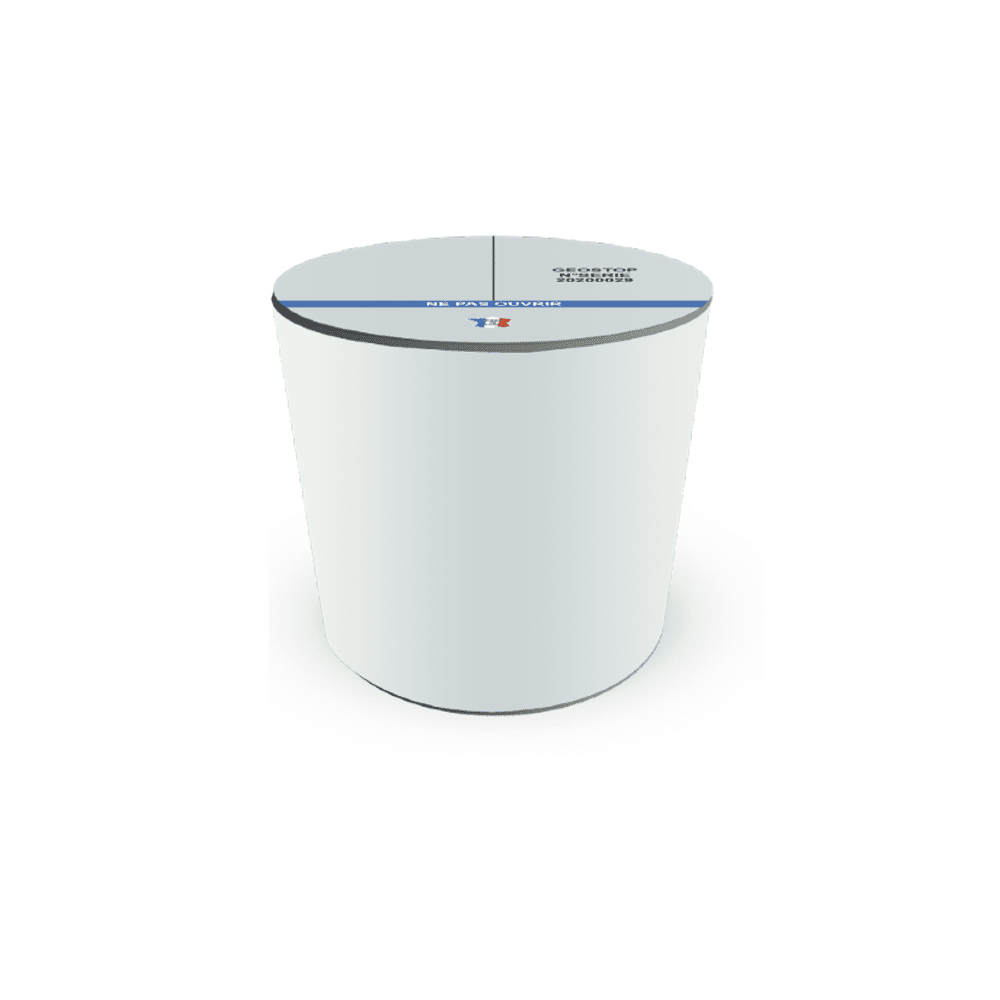
🏠 ATG LC15 White – Wall Drying System Against Humidity
Wall drying without electricity: a natural and long-lasting solution against humidity
Humidity in walls is a recurring problem, often linked to rising damp: water contained in the ground naturally rises through porous materials (brick, stone, concrete, mortar). This can lead to damp walls, blistering paint, peeling finishes, mold, odors, and discomfort.
It is a wall damp-proof device designed to help with the drying of damp walls and the treatment of rising damp, without chemical injections and without invasive work. Its geomagnetic technology is intended to act at the source of the issue, with a gradual effect over time.
It operates autonomously, without electrical power and without maintenance, which makes it suitable for old buildings and simple installations.
⚙️ How does the ATG LC15 work?
The wall generates a natural potential difference that promotes the upward movement of water. It captures the magnetic fields of the water and returns a geomagnetic counter-field that neutralizes this phenomenon. Moisture stops rising and is naturally removed through evaporation, progressively drying the walls.
✅ No connection required, no electromagnetic waves, 100% autonomous operation.
✅ Benefits of the ATG LC15 White
🔌 No electricity, no battery, no waves
🛠️ Fast and easy installation – self-installable
🧱 No invasive work – no drilling or structural modification required
💧 Natural treatment of rising damp
🧘♀️ Silent, maintenance-free, vibration-free
🌿 Ideal for homes, cellars, garages, churches, and old buildings
🇫🇷 Made in France product – 10-year manufacturer warranty
📦 Delivered with installation sheet and recommendations
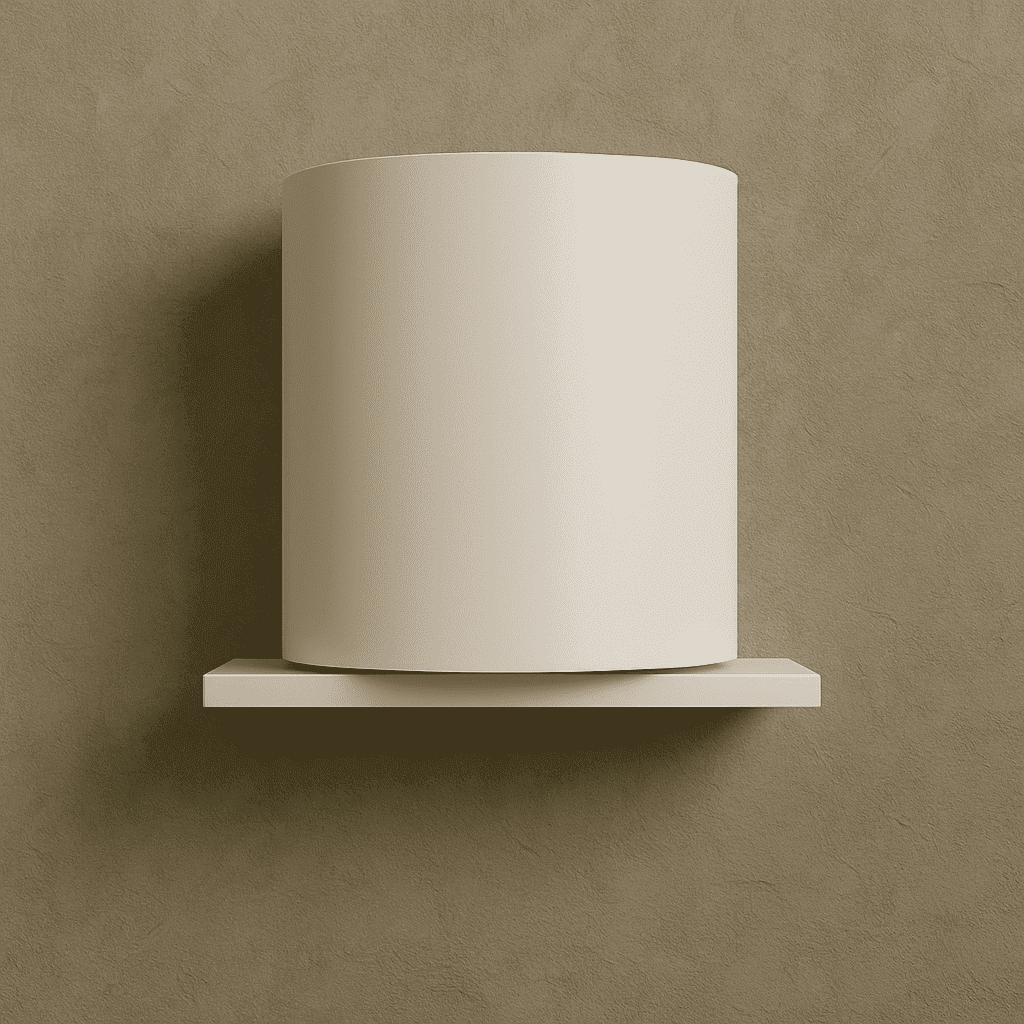
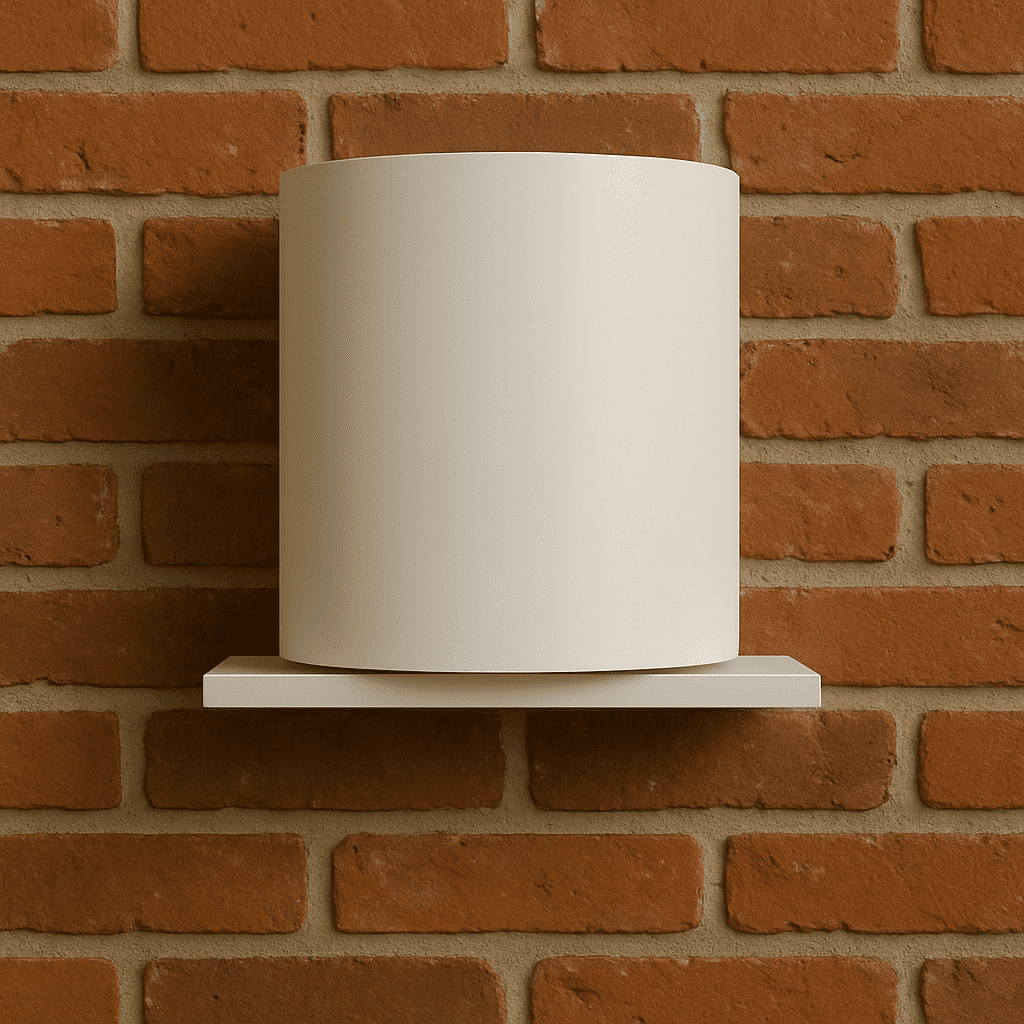
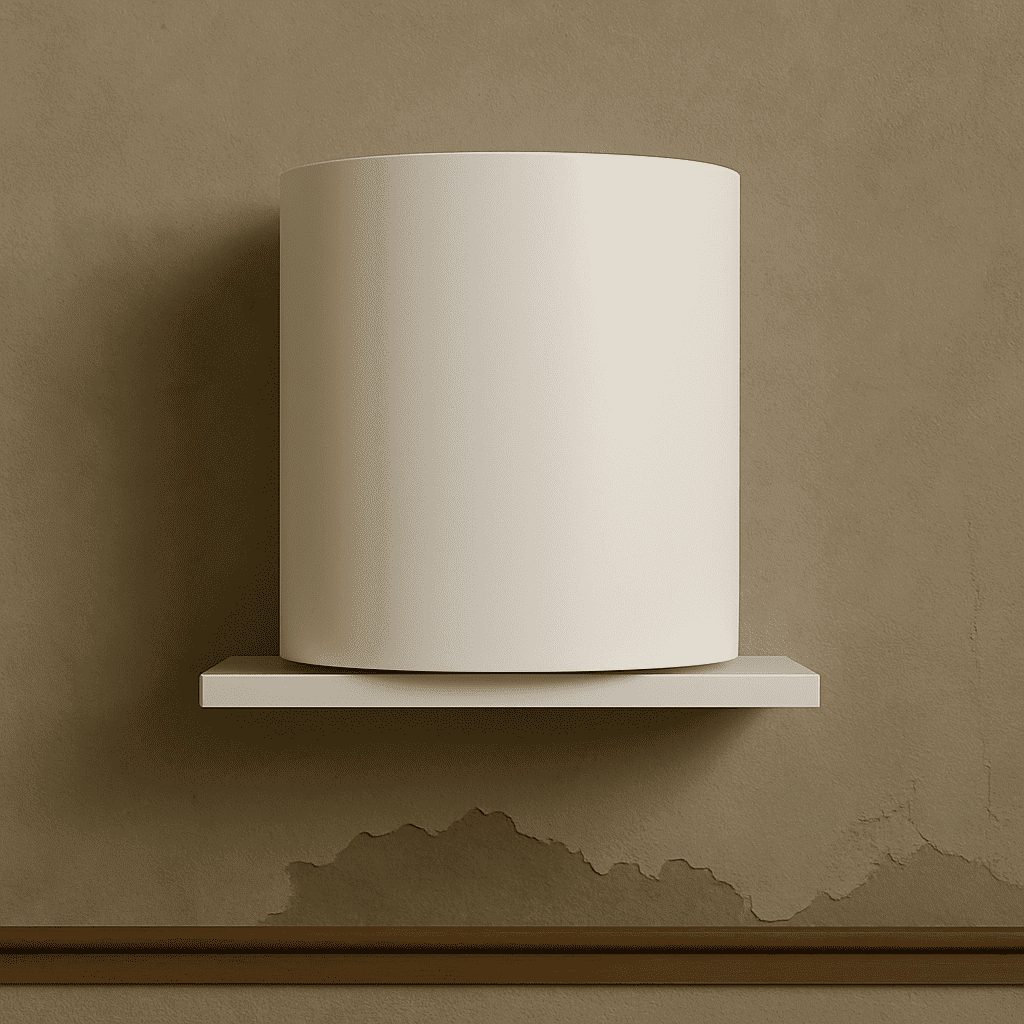
Installation on a shelf or inside furniture (under conditions)
The device can be installed on a shelf or inside a closed piece of furniture (cupboard, cabinet) located on the ground floor, provided the following conditions are met:
The furniture or shelf must be stable and fixed, to avoid any vibration or movement
The device must be firmly fixed with strong double-sided adhesive or a stable support
It must be placed at a height between 1.50 m and 2.00 m from the floor
It must be located more than 1.50 m from any electrical source (excluding standard wall outlets)
It must be oriented toward magnetic north (using a compass or an app)
The device must not be moved once in place.
It is not mandatory to place it directly on a damp wall. Installation in the center of the home or the area to be treated is often the most effective solution, as it allows better diffusion of the geomagnetic field in all directions.
ATG LC15 User Manuals
Download the manual in your language:
French – Download the manual
English – Download the manual
German – Download the manual
Italian – Download the manual
Portuguese – Download the manual
Spanish – Download the manual
🎯 Expected results
The first effects are visible within 18 to 24 months, depending on the type of walls and the level of moisture present. A dry wall regains its natural insulation, which reduces heating consumption and improves indoor comfort.
🛠️ Recommendations for optimal drying
1. Remove film-forming coatings
Remove waterproof coatings (plastic paint, water-repellent render) 10 to 20 cm above the damp line to allow the wall to breathe.
2. Ventilate your home
Ensure good air circulation (mechanical ventilation or air vents)
Undercut doors (1.5 cm in dry rooms, 2 cm in humid rooms)
Install window vents if needed
3. Restore walls after drying
Once the walls are dry:
Brush off hygroscopic salts that have risen to the surface
Redo the plaster with lime and an anti-salt additive
4. Install drainage if needed
In case of lateral infiltration, installing perimeter drainage around the building is recommended to protect the foundations.
⚠️ Please note
The device does not treat:
Water infiltration through cracks or poorly designed slopes
Damage related to flooding or leaks
Mold already present on surfaces
These issues must be handled separately to ensure complete treatment.


