Damp Wall Treatment: Which Solution Should You Choose?
When you are faced with a damp wall, several methods exist, and they are not all equal depending on the situation. The right damp wall treatment depends above all on the cause. Here is a clear comparison of the main solutions, their advantages, and the situations where each one makes the most sense.
First of all: identify the cause
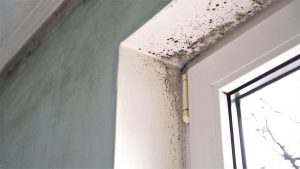
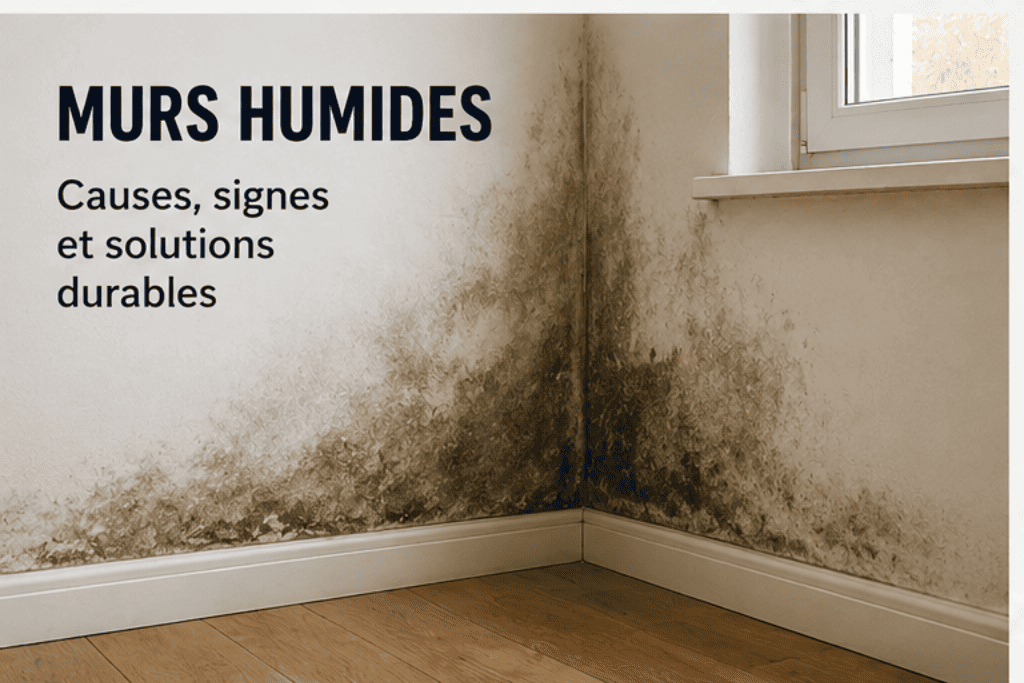
Choosing a damp wall treatment without knowing the origin of the problem means risking spending for nothing. There are four main causes: condensation, infiltration, leaks and rising damp. Each one calls for a different response. A serious diagnosis is therefore the first step, before any quote.
Resin injection
Injection involves drilling into the base of the wall to inject a resin that creates a barrier against rising damp. It is an invasive method, billed per linear metre, with a price generally between 40 and 150 euros per metre depending on the product and the thickness of the wall. It often means the renders have to be redone afterwards.
Tanking and drainage
Tanking makes walls watertight from the inside using a waterproof mortar. It is mainly used for cellars and basements, and it is a heavy job. Drainage, on the other hand, involves creating a perimeter drain to carry water away around the house. It means excavation work, with a cost that generally runs at around 100 to 200 euros per linear metre.
Drying by polarity inversion
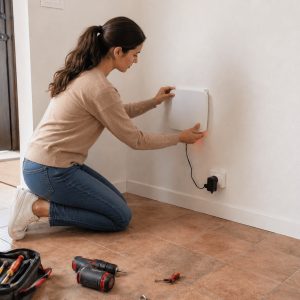
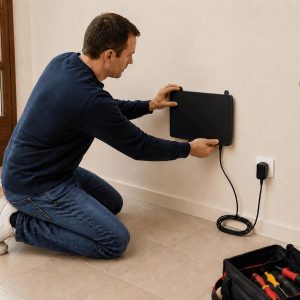
On rising damp that has been clearly identified, the polarity inversion device is a non-invasive alternative: no drilling, no chemical product, no excavation. It supports the gradual drying of the wall and represents a one-off cost rather than a bill per metre. Results are usually seen over 12 to 24 months, for a lasting effect. This solution is specially designed for rising damp.
So, which damp wall treatment should you choose
There is no single damp wall treatment that fits every case. It all depends on the cause and on your constraints. For condensation, the priority is ventilation. For an infiltration or a leak, you have to repair the source. For rising damp, you can choose between heavy work, such as injection or drainage, and a non-invasive solution based on polarity inversion. Your budget, how much building work you are willing to accept and the layout of the home will tip the balance.
Frequently asked questions
Which solution is the least invasive?
For rising damp, polarity inversion is the most discreet: no building site, no drilling. It is the least disruptive damp wall treatment to put in place at home.
Can you combine several treatments?
Yes, when several causes come together. For example, treating rising damp while also improving ventilation against condensation. The important thing is to treat each cause with the right method.
Going further
To compare budgets, read our article on damp proofing cost. If you are still wondering whether the device works, our review of electromagnetic damp proofing answers the question. If your walls are affected by rising damp, discover the ATE and ATG units in the shop or ask for an opinion through the contact page.