

Damp walls: understand the cause and choose a suitable solution

Humidité Conseil helps you understand rising damp and compare ATE and ATG wall drying devices. Explore model specifications, installation requirements and information to prepare your choice.

Since 2012
10-year
warranty
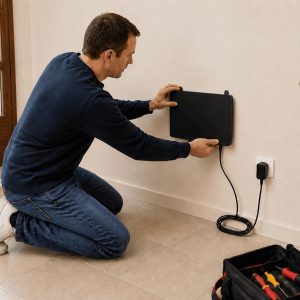
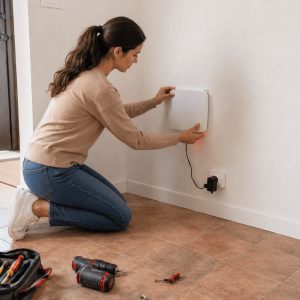
Quick, easy installation, no professional needed
schema-humidistop-haut-haute-qualite

Our best sellers

Shop all

Which device is right for your walls?

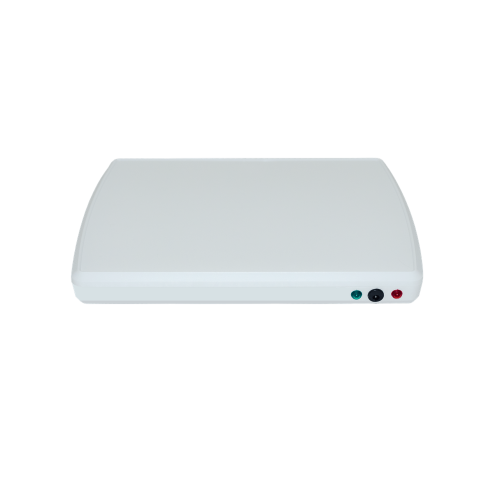
Compare our six models by technology, power supply and coverage diameter. ATE devices plug into the mains; ATG devices work without electricity.

Comparison of ATE and ATG wall-drying devices

ATGGeomagnetic · No electricity

The coverage diameter is not a surface area in m². The right choice also depends on the layout of the building and the source of the damp. Please check prices and availability in our shop.

Read the reviews,
choose with confidence.

Brico Dépôt
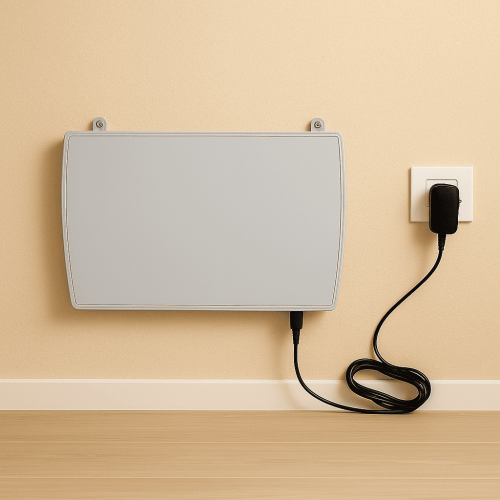
« Everything was perfect; now it remains to be seen whether the device works. I have had it switched on for a month and so far it looks promising. I bought it because an internal wall in my house had damp rising from the ground; the external walls are well insulated, but this one is not. After considering several options, I decided to try this device because it avoids building work and, although quite expensive, it was the easiest option to try. Installation is very simple: drill two holes, screw it to the wall, plug it in and that’s it. Now we will see whether it delivers results. »
Pablo Sande IglesiasATE LC30 Light grey
9 April 2026 · Translated from Spanish
Read the review on Brico Dépôt
“Fast delivery and well-packed equipment. I’m starting to see improvements, little by little.”
antoine HugonnetHumidistop France SAS
3 months before the date consulted
Read the review on Google
“I’m satisfied with the result, there is an improvement.”
Marie DominiqueHumidistop service in Labège
6 February 2018
Read the review on Eldo

Selected excerpts translated from French, consulted on 14 October 2026. Each review reflects its author’s own experience; services and models may differ.

Video tutorials

Install it yourself in 10 minutes, no professional needed

Follow the step-by-step video and install your device yourself, with no building work.

Installing the ATE

Electromagnetic device, mains-powered

Installing the ATG

Geomagnetic device, no electricity

ATE and ATG wall-drying devices – Solutions against damp and rising damp

Understand the source of the damp

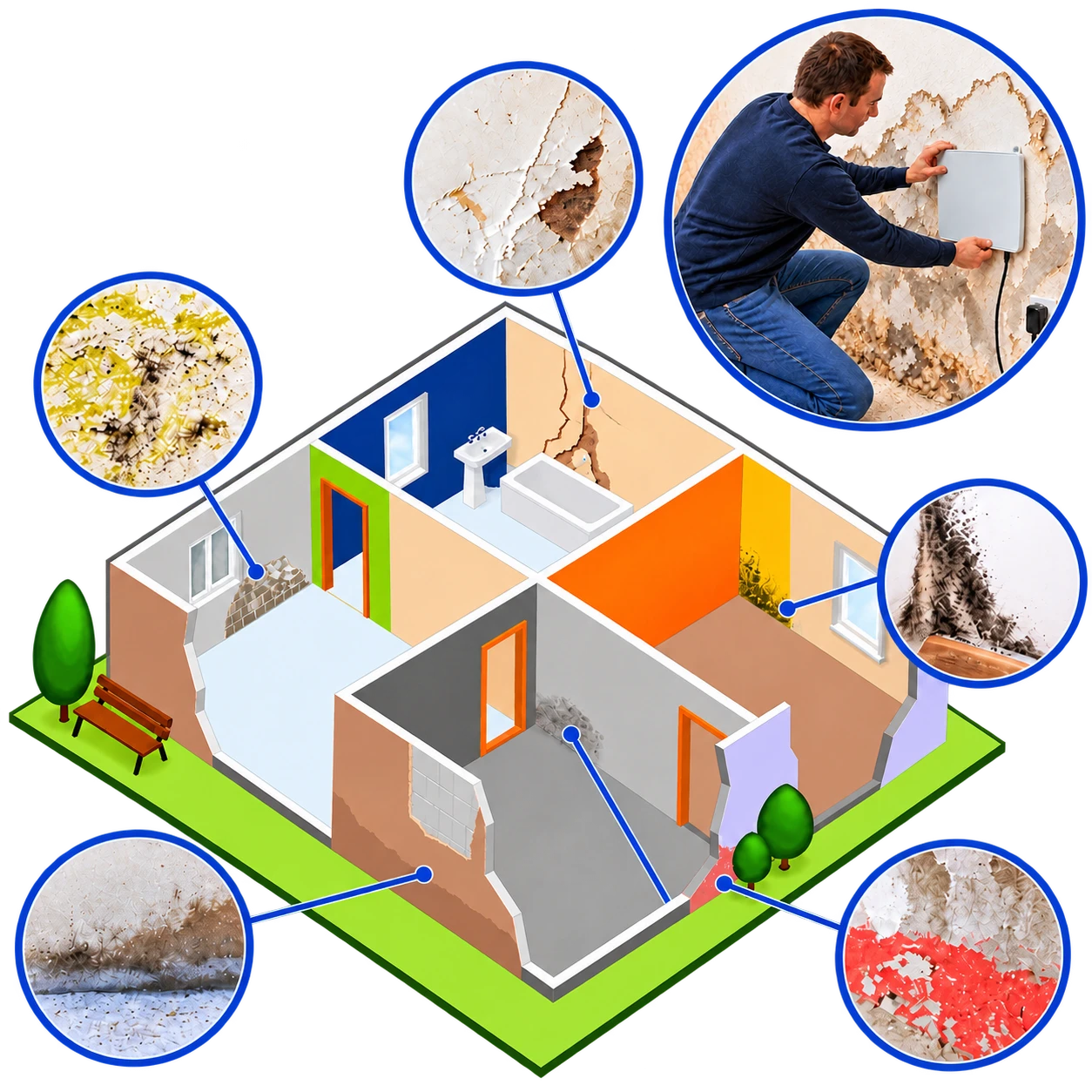
Rising damp, condensation, water ingress and leaks can produce similar marks. Identifying the source of the moisture helps you choose an appropriate response. A device intended for rising damp does not repair a leak or replace suitable ventilation.

Compare ATE and ATG devices

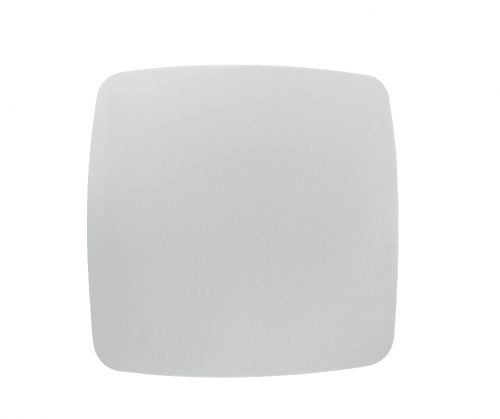
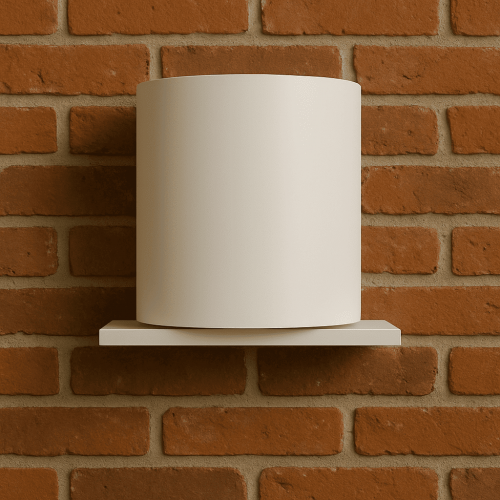
The ATE range includes LC15, LC30, LC30 PULSE and MAX, with an electrical supply. ATG LC15 and ATG LC30 are presented as geomagnetic devices without an electrical supply. Compare the exact model, its stated coverage diameter and its manual.

Prepare installation and follow-up

Check positioning requirements and the building layout before ordering. Plan follow-up measurements at identified points under comparable conditions. Drying time varies with the building and the source of the moisture.

traitements remontées capillaires

Identify the cause

Similar marks can result from rising damp, condensation, water ingress or a leak.

Measure the affected area

Record dimensions and the building layout; the stated diameter is not a floor area in m².

Check the power supply

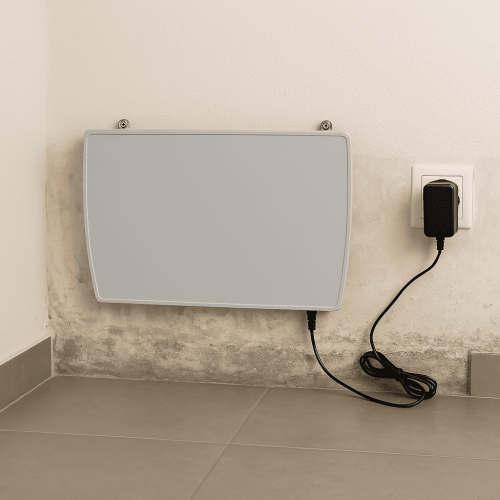
ATE devices require an electrical supply; ATG models operate without an electrical supply.

Prepare the position

Read the exact model’s manual and plan follow-up measurements at identified points.

Compare ATE and ATG devices

The ATE range includes LC15, LC30, LC30 PULSE and MAX, with an electrical supply. ATG LC15 and ATG LC30 are presented as geomagnetic devices without an electrical supply. Compare the exact model, its stated coverage diameter and its manual. Check positioning requirements and the building layout before ordering. Plan follow-up measurements at identified points under comparable conditions. Drying time varies with the building and the source of the moisture.

Expert advice: dampness in homes

Rising damp, condensation, water ingress and leaks can produce similar marks. Identifying the source of the moisture helps you choose an appropriate response. A device intended for rising damp does not repair a leak or replace suitable ventilation.

Advice before purchase

Our team helps you compare models and their installation requirements.

Model information

Check the specifications, origin and warranty stated in the product documents.

Manuals and documents

Read the manual and documents for the exact model to check its intended use and installation requirements.

Payment options

Available payment methods and their conditions are presented during checkout.

Need help comparing models?

Unsure which model to choose? Our team can help you compare devices for your situation and installation requirements.

What are ATE devices intended for?

ATE devices are marketed for walls affected by rising damp and require an electrical supply. Identify the source of the moisture and read the exact model’s manual before choosing a device.

What is the difference between ATE and ATG?

ATE devices are electromagnetic and mains powered. ATG devices are presented as geomagnetic and operate without an electrical supply. Compare the installation requirements and specifications of the exact model.

How do the ATE models compare?

The stated coverage diameters are 15 m for ATE LC15, 30 m for ATE LC30 and ATE LC30 PULSE, and 60 m for ATE MAX. A diameter is not a floor area in m². Check each manual: the building layout and installation conditions also matter.

Which ATG models are available?

The catalogue includes ATG LC15 and ATG LC30, with stated coverage diameters of 15 m and 30 m. Check the specifications and conditions of use on each model’s product page.

Where should I install my device?

Follow the manual for the exact model. Check the mounting surface, position, distances and power supply where required. Ask for clarification before installation if anything is unclear.

How should I choose between the ranges?

The choice depends on the source of the damp, the building layout and installation constraints. An available electrical supply is one criterion; it does not establish a drying time or guarantee a result.

Do you offer an on-site diagnosis?

Humidité Conseil sells devices and offers advice before purchase. This discussion is not an on-site technical diagnosis. For enquiries in southwest France, consult Humidité Conseil 360 for the service area and conditions.

They talk about Humidite Conseil