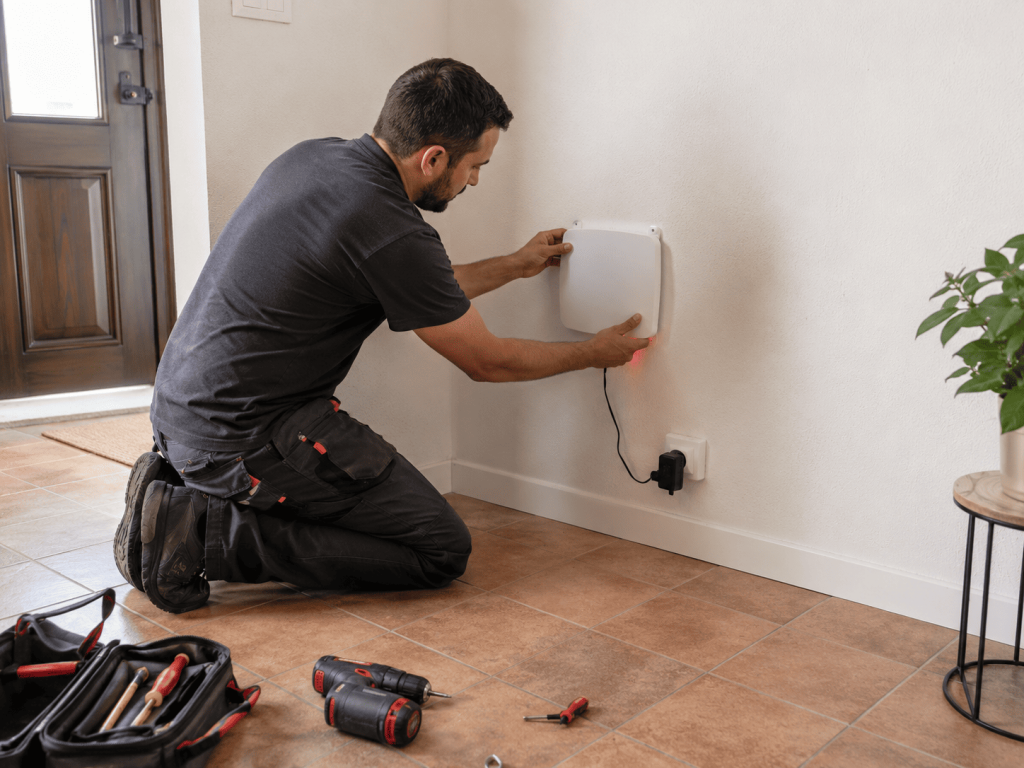
ATE LC30 PULSE : wall drying device

ATE LC30 PULSE : wall drying device

Electromagnetic device for walls affected by rising damp

Stated coverage diameter : 30 m · Mains powered

Check the source of the moisture before choosing a device. Rising damp, condensation, water ingress and leaks require different responses.

Check the exact model’s manual, positioning requirements and the building layout. The stated diameter is not a floor area or a guarantee of results.

Plan follow-up readings at identified points under comparable conditions. Drying time depends on the building and the cause of the moisture; no fixed result or deadline is promised here.

ate-pulse-appareil-humidite-murs

Documents and purchase conditions

Installation requirements

ATE LC30 PULSE – wall drying device

Dimensions and finish

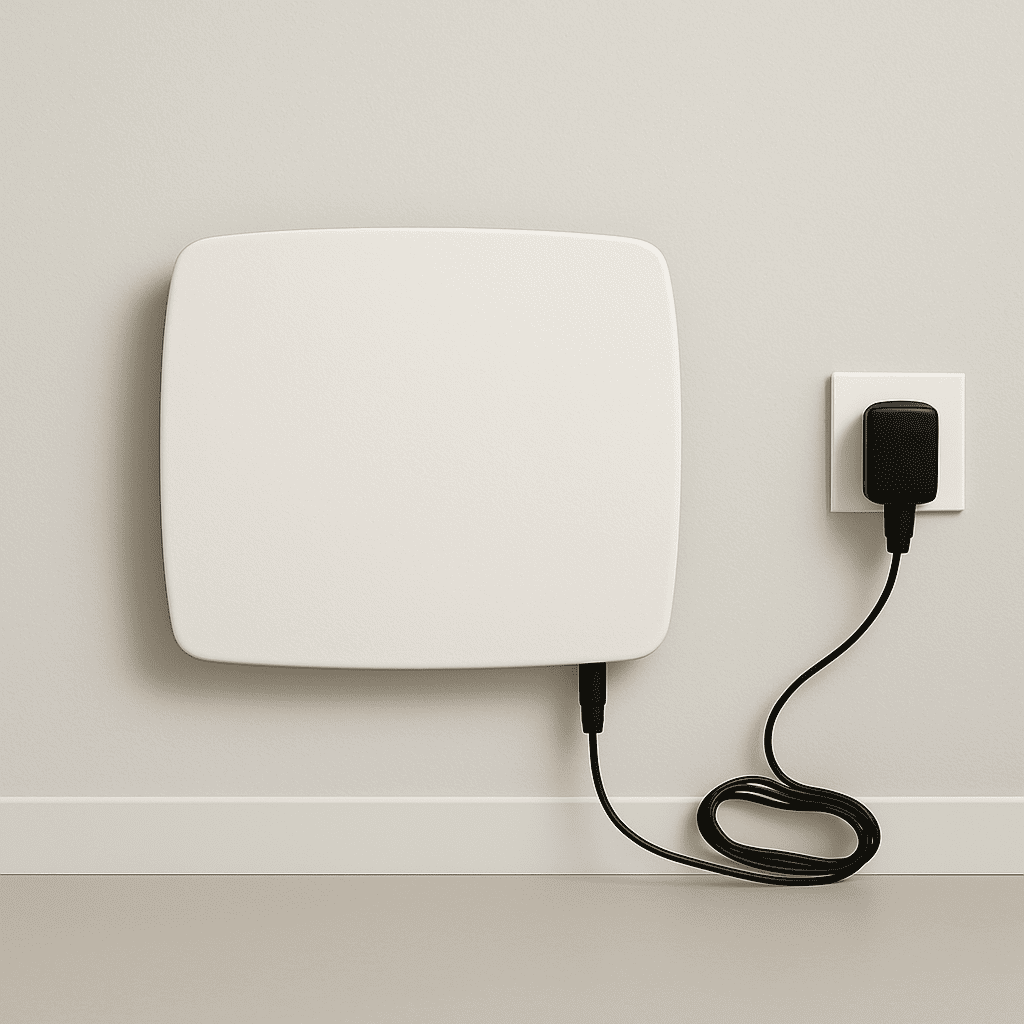
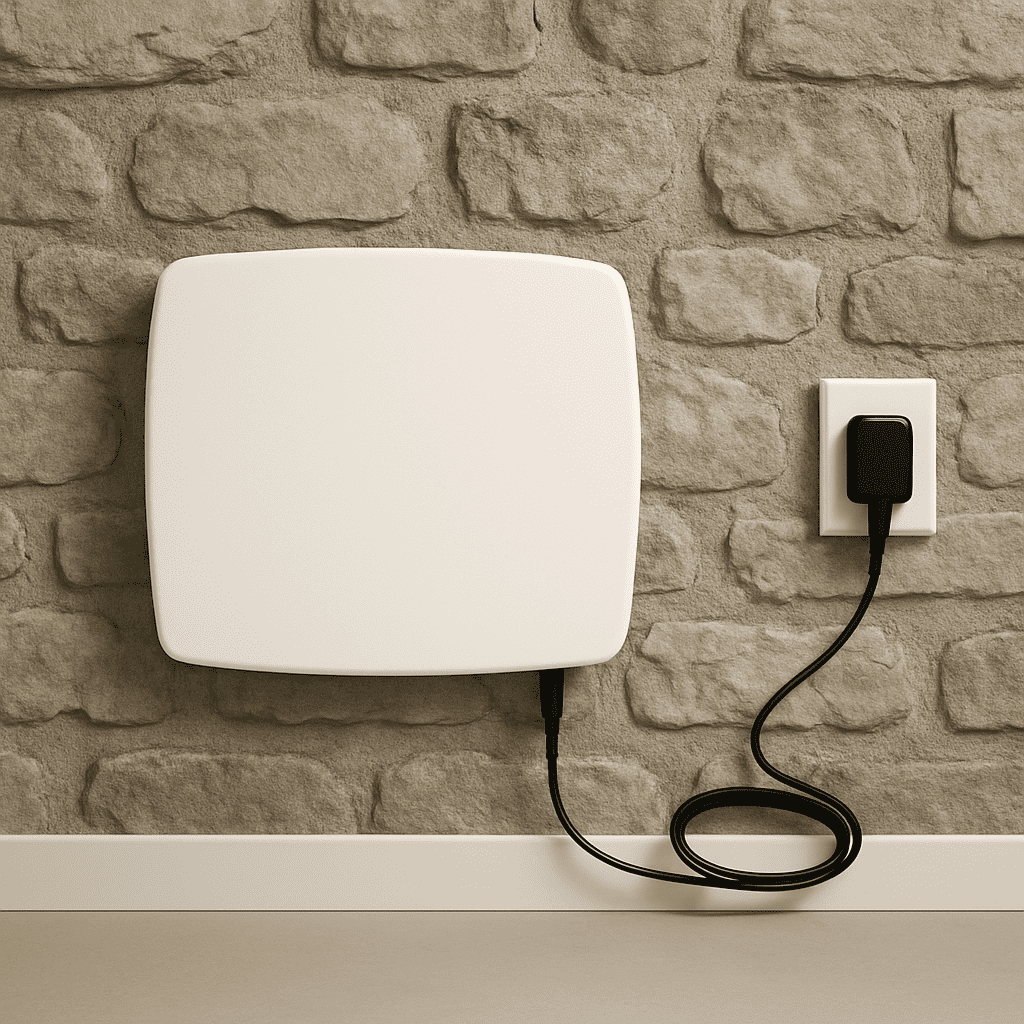
Check the product page for the dimensions, finish, photographs and manual of ATE LC30 PULSE. Compare its installation and power requirements with the other models before choosing.

ate-pulse-inverseur-polarite-electromagnetique

ATE LC30 PULSE – Checks during use

ate-pulse-inverseur-polarite-electromagnetique

ATE LC30 PULSE – Monitoring the walls

Prepare a record of the affected walls before installation: identified measurement points, comparable photographs, materials and visible damage. Use measurement methods suited to the materials and interpret readings in their context.

During follow-up, record ventilation, heating, repairs and other changes that can affect the wall. Refer to the model’s manual for use and care instructions. Discuss unexplained changes with a suitably qualified professional.

PREPARING YOUR CHOICE

ATE LC30 PULSE: getting ready for installation

Four practical points to help you move from choosing a model to preparing its installation.

01

Describe the affected walls

Prepare a few photographs and note the materials, rooms and floors involved. These details help you explain your building clearly when asking for advice.
02

Find an accessible position

Locate the affected walls and available access points on a plan. Check the mounting surface and required clearances before settling on a position.

03

Prepare the installation materials

Allow for the two holes for wall plugs and support screws, fixings suited to the wall and the power supply specified in the ATE manual.

04

Plan the finishes

Check ventilation, salts and existing coatings. Select new plaster or paint according to the condition of the substrate and the type of masonry.

Frequently asked questions about ATE LC30 PULSE

What type of damp is ATE LC30 PULSE intended for?

ATE LC30 PULSE is an electromagnetic device offered for walls affected by identified rising damp. It does not replace repairing a leak, addressing water ingress or resolving condensation.

What does the stated 30 m diameter mean?

The manufacturer states a coverage diameter of 30 m, equivalent to a 15 m radius around the device. This is not a floor area in square metres. Consider the distances to the affected walls and the layout of the building.

Does ATE LC30 PULSE need electricity?

Yes. ATE LC30 PULSE uses the power supply specified by the manufacturer and must remain powered as instructed in its manual.

How should I prepare to install ATE LC30 PULSE?

Read the manual for ATE LC30 PULSE before installation. It explains the mounting surface, positioning and precautions. Use fixings suitable for the wall and follow the manufacturer’s instructions.

How does it differ from the other models?

ATE devices use mains power; ATG geomagnetic devices operate without electricity. Stated ATE coverage diameters are 15 m for LC15, 30 m for LC30 and LC30 PULSE, and 60 m for MAX. Compare the specifications and manual for each model.

Where can I find the ATE LC30 PULSE manual and specifications?

The English manual for ATE LC30 PULSE is linked below. Also check the product reference and finish on the shop page before ordering.

Download the ATE LC30 PULSE manual in English