Damp Wall at the Bottom: What to Do Before Painting
Damp wall at the bottom: why painting too quickly is a mistake.
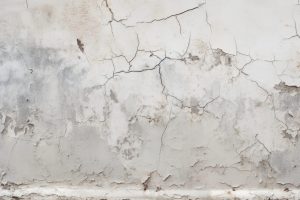
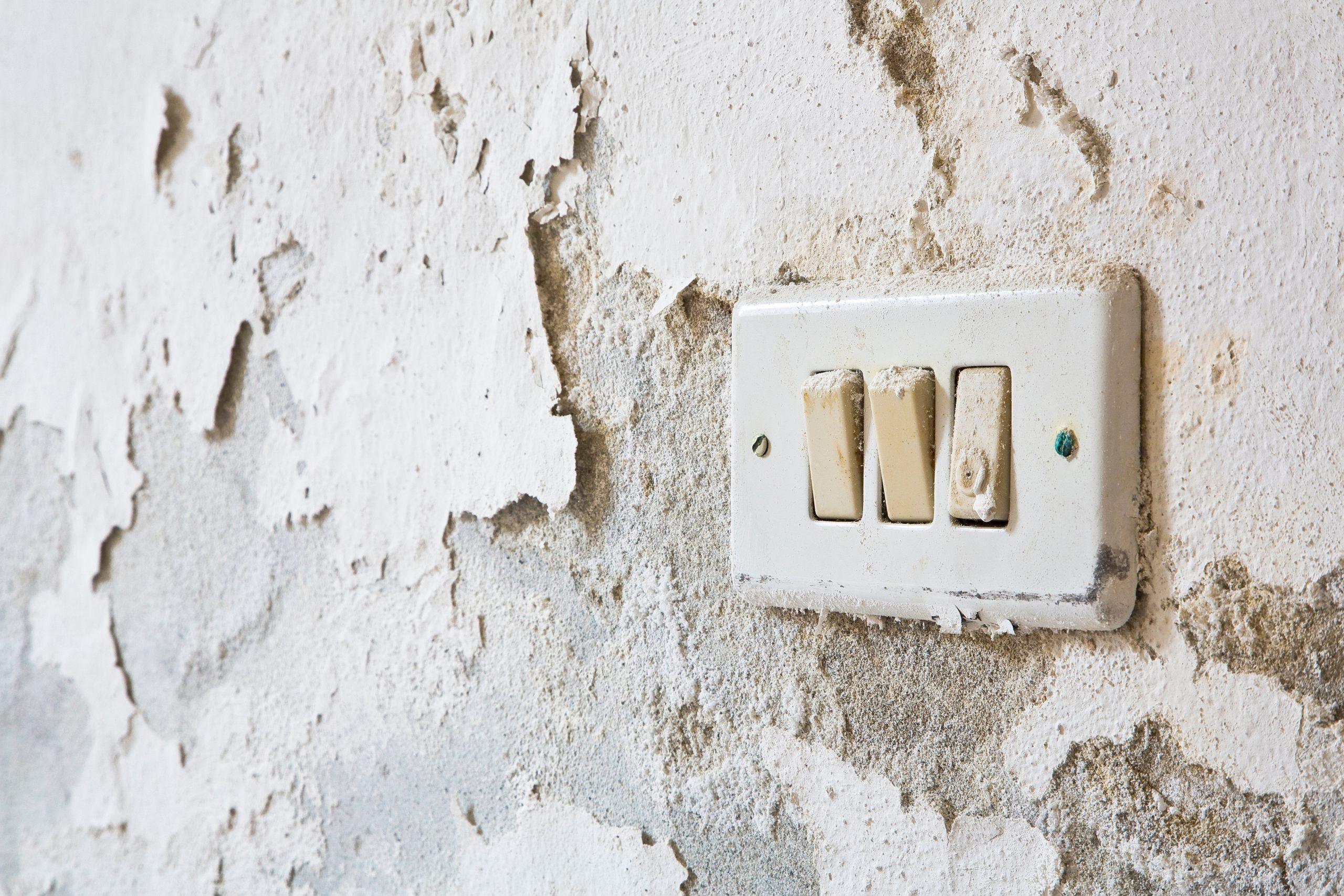
A damp wall at the bottom often makes homeowners want to act immediately. Paint blisters, plaster crumbles, skirting boards deform and marks become visible in the room. However, painting directly over a damp surface is one of the most common mistakes.
Fresh paint can make the wall look clean for a few weeks. Then, if moisture continues to rise or pass through the wall, the same defects return. Paint can blister, plaster can peel and salt deposits can appear.
Possible causes of damp at the bottom of a wall.
A damp wall at the bottom can have several causes. Rising damp is common when water from the ground rises through porous materials. This often affects old walls, stone walls, ground floors and rooms in contact with the ground.
Water infiltration can also create damp at the bottom of a wall. It may come from an external ground level that is too high, a waterproofing defect, a crack or water running against the facade. Poor ventilation can also worsen the feeling of damp, especially if the wall dries slowly.
Why does paint fail to adhere?
Paint does not adhere properly when the surface contains too much moisture. Water tries to evaporate and creates pressure under the paint film. Mineral salts inside the wall can also migrate to the surface and push the finish away.
The problem is even stronger with coatings that are too closed or waterproof. They block evaporation and trap moisture in the wall. In the short term, the result may look clean. In the medium term, damage often returns more visibly.
What should be checked before painting?
Before painting, it is important to observe the height of the marks, their location and how they change over time. Regular marks at the bottom of a wall can suggest rising damp. Localized marks near a corner, an exposed facade or a water point may suggest infiltration or a leak.
The ventilation of the room should also be checked. Poor ventilation can significantly slow wall drying. During renovation, waterproof coatings should be avoided until the surface has returned to an acceptable moisture level.
Mistakes to avoid.
The first mistake is painting without dealing with the cause. The second is using a coating that is too waterproof to hide the marks. The third is installing wall lining or covering in front of the damp wall without solving the issue. This can hide the symptoms, but moisture remains behind.
It is also important not to confuse all forms of damp. A solution designed for rising damp does not treat an active leak, major water infiltration or water damage. Each cause needs an appropriate response.
Which solution when rising damp is the cause?
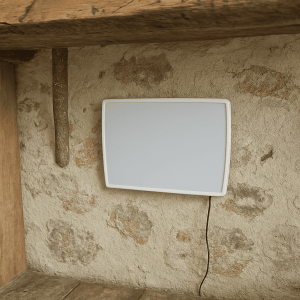
When the symptoms match rising damp, Humidité Conseil offers ATE and ATG devices to support wall drying. The ATE device is recommended first when the building allows installation connected to an electrical outlet.
The ATE device must only be installed on a damp load-bearing wall, at the bottom of the wall. It must never be installed on a partition wall, on plasterboard or on wall lining. This installation rule is essential for respecting the intended operation of the device.
The ATG device can be considered when the building configuration does not easily allow a plugged-in ATE device. It is then a non-electric alternative, to be chosen according to the constraints of the property.
Before painting, let the wall breathe.
Once the cause has been identified and the solution has been put in place, the wall must dry gradually. This period depends on wall thickness, material type, ventilation and the initial moisture level.
The Humidité Conseil website provides an online selection tool to help choose the device suited to the building layout and the symptoms observed. This step helps avoid choosing too quickly between ATE and ATG.
Conclusion.
A damp wall at the bottom should not be painted without proper consideration. The priority is to understand the origin of the moisture, choose a suitable solution and allow the wall to recover better conditions before finishing work. This is the best way to prevent blistering, stains and peeling from returning after renovation.