Damp Old House: Causes and Suitable Solutions
Damp old house: understand the problem methodically.
A damp old house should not always be treated like a modern building. Walls are often thick, materials are more porous and moisture exchanges with the ground or the outside air are part of the building’s natural behaviour. However, when damp becomes visible, persistent or uncomfortable, it must be addressed methodically.
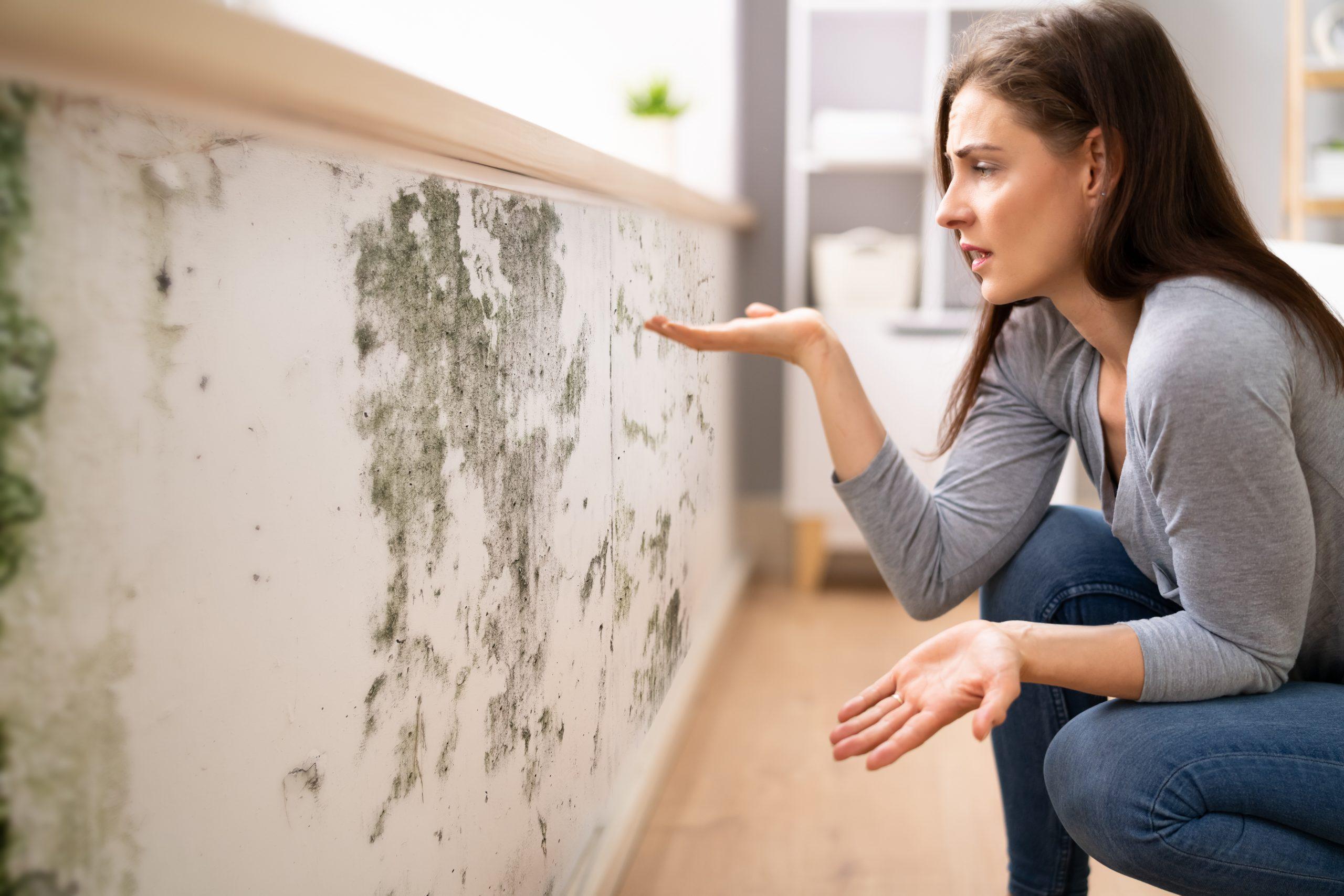
Symptoms can vary. You may see marks at the bottom of walls, saltpetre, damaged plaster, a musty smell, cold walls or blistering paint. These signs should not be hidden too quickly because they give useful information about the likely cause.
Why are old houses more sensitive to damp?
Old houses were often built with breathable materials such as stone, brick, earth or lime. These materials can absorb and release part of the moisture. When they are combined with suitable finishes, the balance can remain acceptable.
Problems often appear after modifications. Cement render, waterproof paint, poorly ventilated wall lining, a closed slab or insufficient ventilation can block natural evaporation. Moisture that could previously leave the wall becomes trapped.
Common causes in an old house.
Rising damp is a common cause when marks are concentrated at the bottom of the walls. Water from the ground rises through the walls by capillary action, especially when there is no effective capillary break. Thick walls can then take a long time to dry.
Infiltration is also common. An exposed facade, an external ground level that is too high, a faulty gutter or poor drainage can bring water against the building. Condensation can also worsen the issue when ventilation is insufficient.
Renovation mistakes that make damp worse.
The first mistake is trying to make an old wall completely waterproof from the inside. A coating that is too closed can prevent the wall from breathing. Moisture then remains inside the wall thickness and eventually appears elsewhere.
The second mistake is installing wall lining in front of a damp wall without dealing with the cause. The wall looks cleaner, but moisture continues behind it. This can create smells, damage materials and make the problem harder to observe.
The third mistake is repainting or replastering too soon. A damp old wall must gradually return to better conditions before receiving a durable finish.
Which solutions should be considered depending on the cause?
If damp comes from infiltration, the water entry must be corrected. This may involve gutters, cracks, external slopes or contact points between the ground and the wall. If condensation is the main issue, ventilation must be improved.
If rising damp is involved, a wall-drying solution can be considered. Humidité Conseil offers ATE and ATG devices designed for rising damp issues. The choice depends on the surface to cover, the building layout and the possibility of using an electrical outlet.
ATE or ATG in an old house?
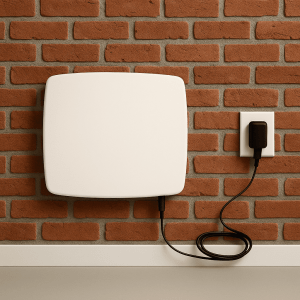
In most cases, the ATE device is recommended first when an electrical outlet is available and when the device can be installed correctly. It operates while permanently connected to a power socket.
The ATE device must only be installed on a damp load-bearing wall, at the bottom of the wall. It must never be installed on a partition wall, on plasterboard or on wall lining. This rule is important because the installation surface is part of the product’s conditions of use.
The ATG device is mainly considered when the configuration does not easily allow installation of a plugged-in ATE device. It can therefore meet certain constraints in old buildings, annexes, outbuildings or areas without a suitable outlet.
Choosing without making a mistake.
An old house requires a choice that matches the reality of the building. Wall thickness, surface area, visible symptoms and possible infiltration must all be considered. A wall-drying device should not be presented as a solution for every form of damp.
The Humidité Conseil website provides an online selection tool to guide users towards the most suitable product. It helps choose an ATE or ATG device according to the configuration, without confusing rising damp, condensation and infiltration.
Conclusion.
A damp old house requires a balanced approach. The materials must be respected, renovations that trap moisture should be avoided and the solution must match the real cause. This method helps treat the problem more sustainably and preserves indoor comfort.