Humidité Conseil: solutions for damp walls and rising damp
Damp walls are a common issue in older houses, stone buildings, basements, ground floors and properties built on moisture-prone ground. When water from the soil rises through the building materials, this is generally known as rising damp.
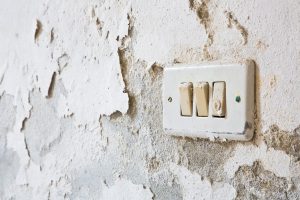
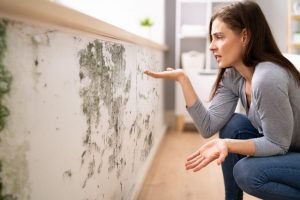
This problem can cause visible marks at the bottom of walls, salt deposits, peeling paint, damaged plaster, musty smells and a constant feeling of damp inside the home.
Humidité Conseil supports homeowners and professionals in understanding and treating wall damp problems, especially when they are caused by rising damp. The aim is to provide solutions adapted to the property while avoiding, whenever possible, heavy renovation work or destructive treatments.
Understanding rising damp
Rising damp occurs when moisture from the ground is absorbed by the wall materials. Stone, brick, concrete and mortar can allow water to move upwards through tiny internal pores.
Over time, this moisture can damage wall coverings and bring mineral salts to the surface. These salt deposits are often one of the most visible signs. The wall may also feel cold or damp to the touch, and the indoor air can become uncomfortable.
Before choosing any damp treatment, it is important to identify the real cause of the moisture problem.
ATE anti-damp devices for damp walls
Humidité Conseil offers the ATE range, a selection of electromagnetic devices designed to help treat rising damp in walls.
ATE technology uses a low-frequency electromagnetic signal that influences the behaviour of water present in the building materials. Its purpose is to limit upward capillary movement and support the gradual drying of damp walls.
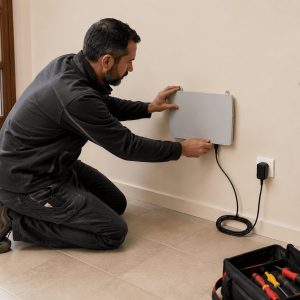
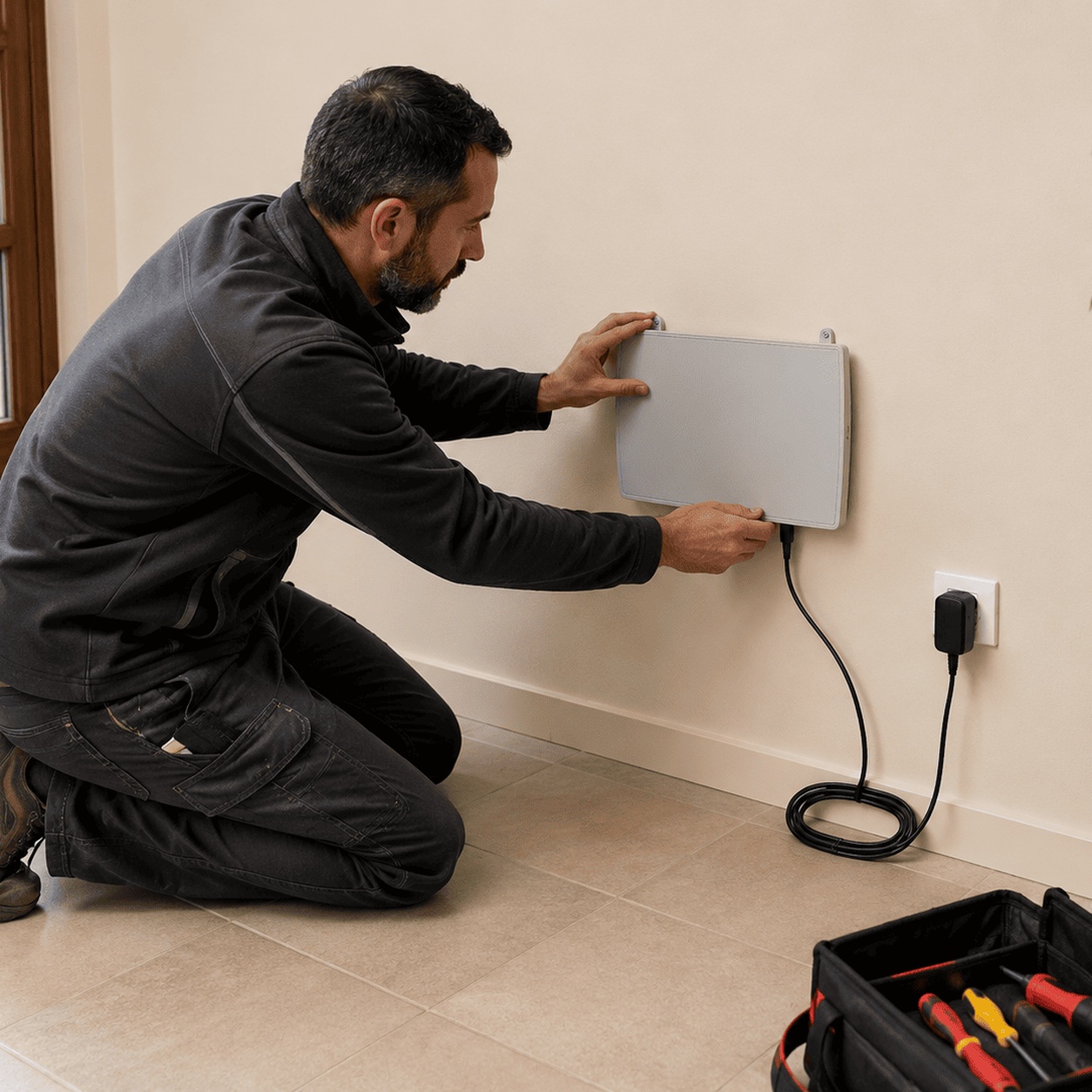
Unlike some traditional damp-proofing methods, ATE devices do not require chemical injections, demolition, repeated drilling or major building work. The device is installed on a load-bearing wall and works continuously once connected.
A non-invasive alternative to heavy building work
In many countries, rising damp often affects older properties, stone walls and buildings with thick masonry. In these situations, invasive work can be expensive, disruptive and difficult to carry out.
ATE devices can provide a practical alternative for treating damp walls without chemicals and without altering the structure of the building. The drying process is progressive, as the moisture accumulated in the walls needs time to evacuate naturally.
Ventilation, wall thickness, existing coatings and the initial moisture level can all influence the time required to see visible improvement.
ATE LC15, ATE LC30 and ATE MAX
The ATE range includes several models to suit different types of properties.
ATE LC15
The ATE LC15 may be suitable for smaller areas or more localised damp issues.
ATE LC30
The ATE LC30 is often chosen for individual houses or medium-sized properties.
ATE MAX
The ATE MAX is designed for larger buildings, thicker walls or more significant damp situations.
The right model depends on the area to be covered, the layout of the property, wall thickness and the severity of the damp symptoms observed.
Unsure which model to choose? Our Humidistop website offers an online selection guide to help you choose the most suitable device for your home, its layout and the damp symptoms observed.
What ATE devices do not treat
ATE devices are designed for rising damp. They do not treat roof leaks, plumbing leaks, flooding, major lateral water ingress, façade defects or condensation caused only by poor ventilation.
Before installing a device, it is essential to confirm that the damp problem is actually linked to rising damp.
Conclusion
Humidité Conseil offers ATE electromagnetic solutions to support the gradual drying of damp walls affected by rising damp. Without chemical injections, demolition or heavy building work, these devices provide a modern, non-invasive approach to wall damp treatment.