Condensation on Windows: Causes and Solutions
When you wake up, the panes are covered in mist and droplets sliding down to the bottom of the frame. Condensation on windows is a very common sight, especially in winter, and it ends up staining the seals and the wood if you let it settle. The good news is that a few simple habits clearly reduce the problem, with no complicated work.
Why condensation forms on the glass
Condensation appears when warm, damp air meets a cold surface. In winter, the pane is often the coldest surface in the room: the water vapour in the air turns into fine droplets against the glass. The damper the indoor air and the less the room is ventilated, the heavier the deposit. Cooking, showering, drying laundry and even our breathing load the air with vapour.
Single or double glazing: what difference
Single glazing stays very cold on the inside, so it attracts a lot of mist. Double glazing keeps a milder inner face, which already limits the problem. But even with good glazing, if the room air is too damp, droplets form on the edges, on the frame or in the corners. Glazing helps, it does not replace good ventilation.
How to limit condensation on windows day to day
To reduce condensation on windows, it all comes down to the room air: renewing it and stopping it getting too loaded with vapour.
- air out each room morning and evening, even in winter;
- make sure the ventilation works and never block the air inlets at the top of the windows;
- dry laundry outside when you can and put a lid on your pans;
- keep gentle, steady heating rather than sharp bursts, so the panes stay less cold;
- draw thick curtains back in the morning so cold air is not trapped against the glass.
The right morning habit
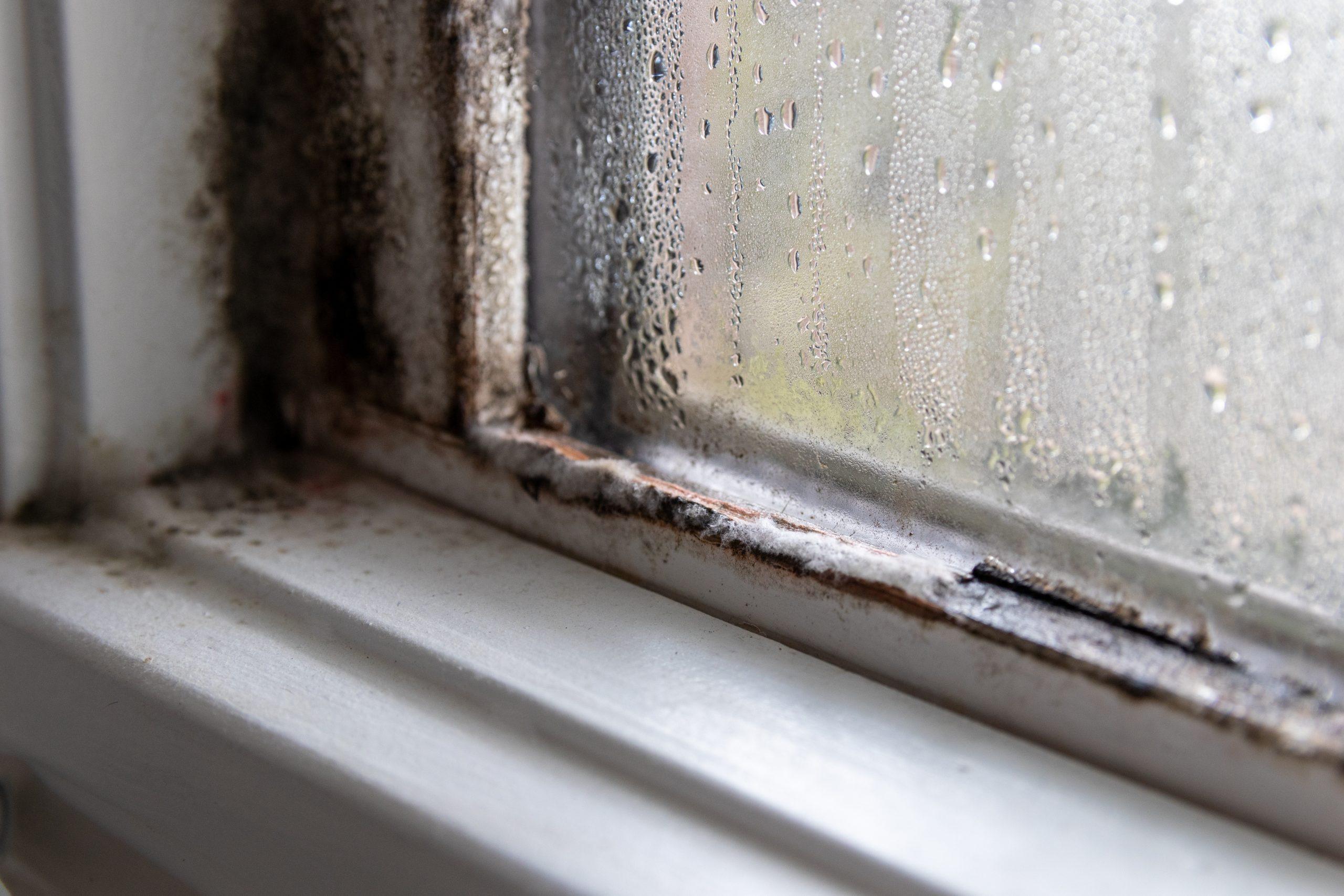
The simplest move is to wipe the panes and sills first thing with a dry cloth, to clear the water before it pools. That stops the moisture migrating into the seals, the putty and the wood, where mold likes to settle. Also avoid placing large furniture in front of a window, because air needs to flow along the glass.
Improving insulation to go further
If condensation on windows comes back every winter, the frame insulation may be to blame. Seals in good condition, a tight frame and, in time, more efficient glazing reduce the temperature gap between the glass and the room. The less cold the pane, the less vapour settles on it. In the meantime, ventilating stays the most effective and least costly solution.
When the mist leaves marks
If black spots appear on the seals or on the wall around the window, act quickly. You can clear mold on walls with white vinegar diluted in equal parts, then review your habits to freshen the air. Our advice for cutting humidity in the house rounds off the fight against misted panes nicely.
Frequently asked questions
Is condensation on windows dangerous?
In itself, a few droplets are not serious. The risk comes from moisture building up: over time, condensation on windows encourages mold on the seals and the frame. Treating it early avoids that damage.
Should I air out even when it is cold outside?
Yes. Airing out morning and evening, even in winter, renews the air without cooling the walls for long. The drier outside air replaces the vapour laden inside air, which limits misting on the panes.