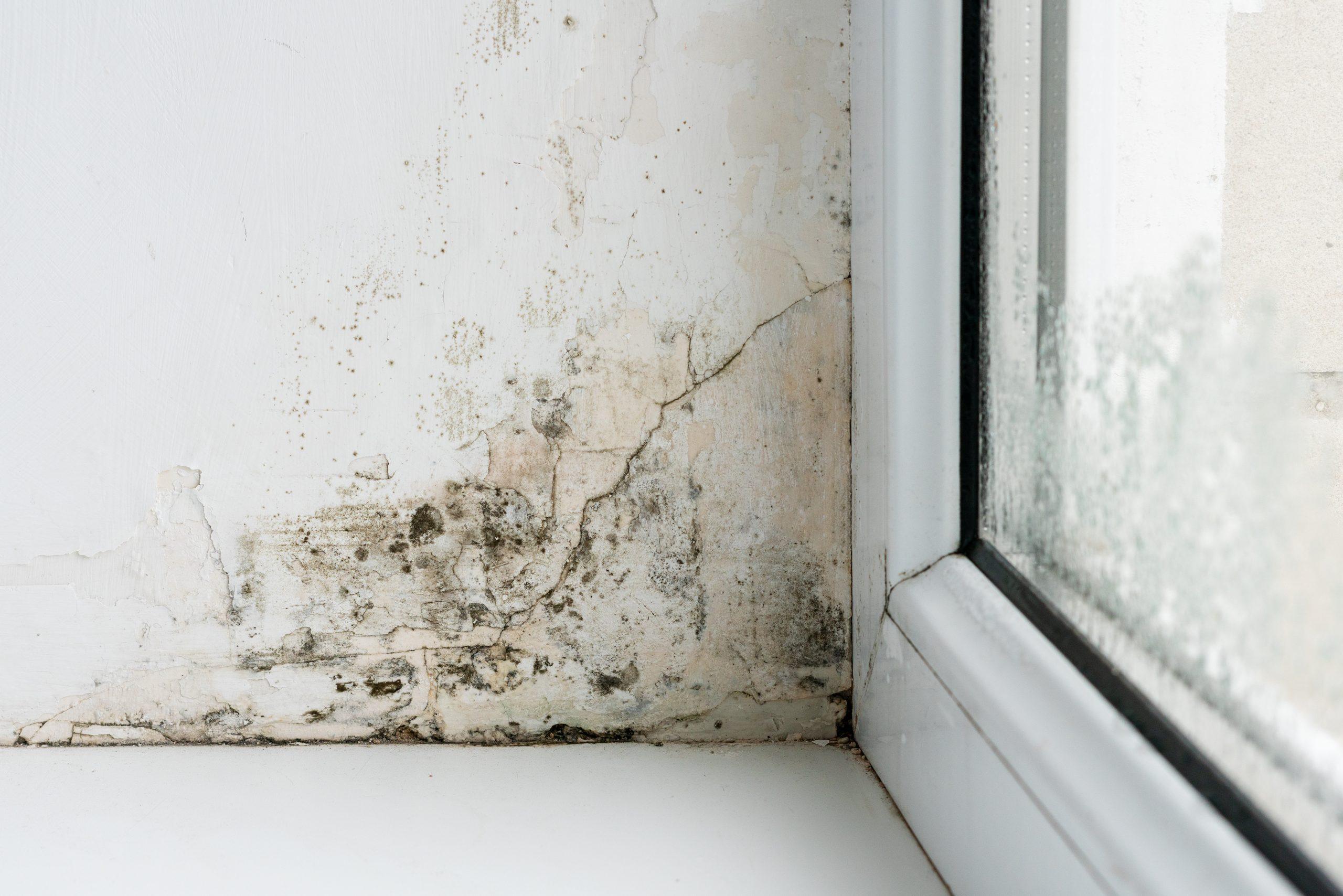
Mold on the Ceiling: Causes and Solutions
Dark rings or small black spots spreading across the top of a wall, and there is mold on the ceiling settling in, often in the bathroom or the kitchen. It is not just a matter of looks: it is the sign of excess moisture or a leak. Here are the possible causes and the solutions to get rid of it.
The causes of mold on a ceiling
Several situations explain spots appearing up high.
- condensation on a cold ceiling, common in bathrooms and kitchens where the air is very damp;
- a leak from the roof or the floor above, soaking the ceiling;
- a lack of ventilation that lets moisture stagnate under the ceiling;
- a thermal bridge, that is a poorly insulated zone where the ceiling stays colder and draws condensation.
Condensation or leak: how to tell the difference
Mold on the ceiling caused by condensation is usually diffuse, spread over the cold zones and worse after showers or cooking. A leak, on the other hand, gives a more localised stain, often ringed with brown, that grows after rain or over time. If the stain spreads and darkens in one precise spot, think of a leak from above and have it checked.
How to treat mold on a ceiling
Once the cause is found, you clean and correct. Take care, you are working overhead, so precautions matter.
- ventilate and run the mechanical ventilation to freshen the room air;
- treat the stain with white vinegar diluted in equal parts, tested first on a small area;
- protect yourself with goggles, a mask and gloves, because the drops fall downward;
- use a stable ladder and never work off balance;
- if the stain is localised and growing, check for a possible leak before repainting;
- let it dry perfectly, then repaint with a paint suited to damp rooms.
Stopping mold on the ceiling coming back
Cleaning is not enough if the cause stays. For good, you have to reduce the room moisture and correct the weak point. Against condensation, you air out, run the ventilation and limit vapour. Against a thermal bridge, better insulation of the ceiling removes the cold zone. And if a leak is to blame, repairing it is essential before any refresh.
The same moves work on walls: here is how to clear mold on walls gently. And if the ceiling is damp mostly near the panes, take a look at condensation on windows, often tied to the same excess moisture.
Frequently asked questions
Is mold on the ceiling dangerous?
Breathing mold spores for a long time can bother sensitive or allergic people. It is not an emergency for a small spot, but it is better to treat it early and, above all, remove the moisture that feeds it.
What paint should I use after treating the ceiling?
Once the surface is perfectly dry and healthy, a paint made for damp rooms limits the return of stains. It does not replace treating the cause, but it protects the ceiling in exposed rooms like the bathroom.