How to Remove Mold on Walls Without Damage
A dark or greenish patch creeping across your paint can quickly spoil a whole section of wall. The good news is that mold on walls is usually easy to deal with using simple products, without attacking the surface underneath. Here is the gentle method, the precautions to keep in mind and the habit that stops it coming back.
Why mold appears on a wall
Mold is a fungus that grows wherever the air is damp and rarely renewed: behind furniture pushed against the wall, in a cold corner, above a shower or near a dripping window. It feeds on the moisture in the air and on dust. As long as that moisture stays, the mold on walls keeps coming back, even after a thorough clean.
White vinegar, the simplest trick
To clear mold on walls without damaging them, white vinegar is the easiest ally to reach for. It is a natural antifungal that tackles the fungus without any harsh solvent.
- mix white vinegar and water in equal parts in a spray bottle;
- test first on a small, out of sight area, especially on fragile paint or wallpaper;
- spray the patch and leave it to work for a while;
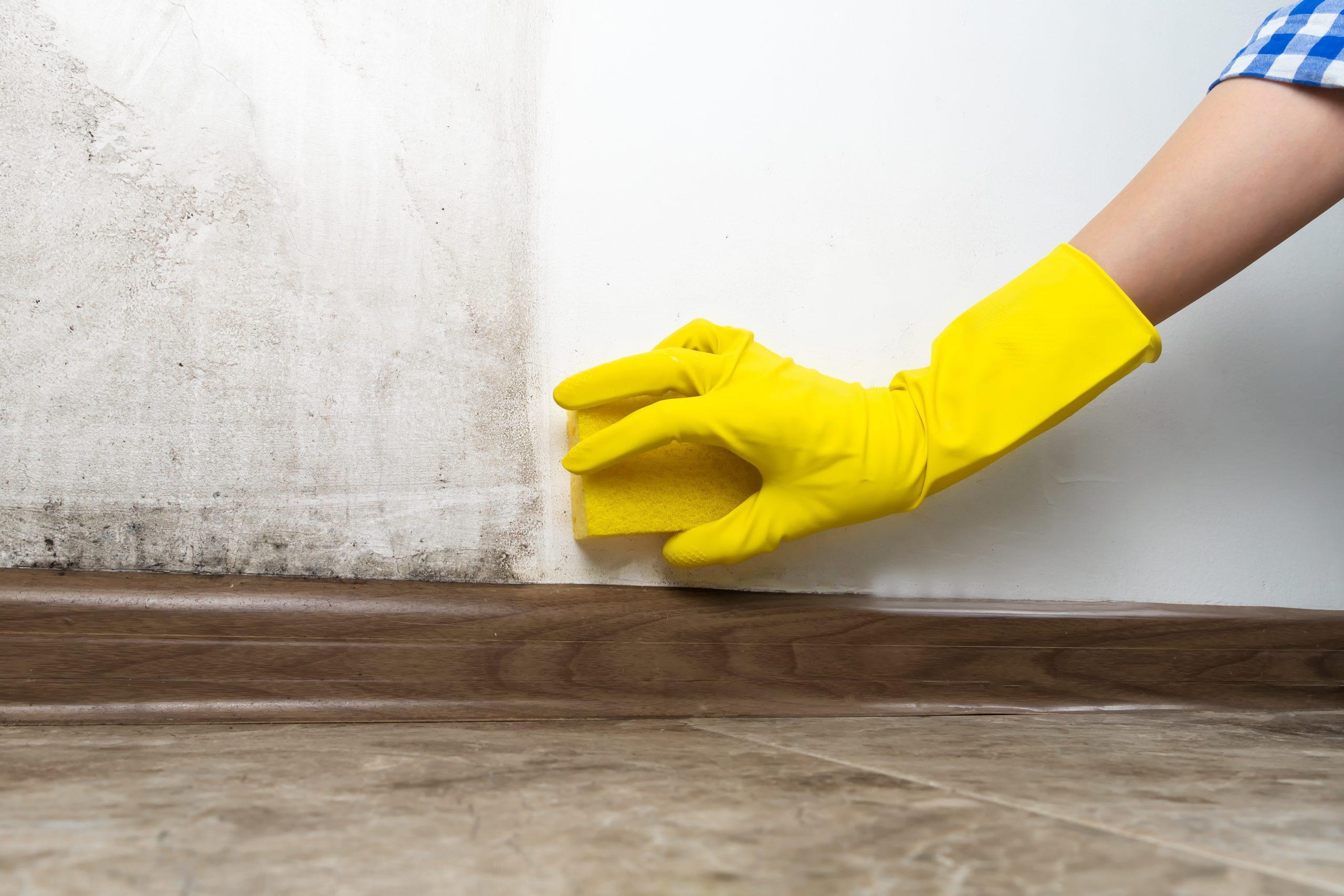
- rub gently with a soft brush or a cloth, without scratching the paint;
- wipe with a clean cloth, then let the wall dry fully.
The precautions to take
Before you start, protect yourself with gloves and a mask, and open the window so you do not breathe in the spores. One important detail: never mix vinegar with bleach, because the reaction gives off an irritating, dangerous gas. Avoid soaking a plasterboard panel or a fragile partition too much as well.
Removing mold on walls without damage: the right moves
The key is gentleness and patience. Let the product do the work rather than scrubbing hard, tackle the mold on walls in small areas, and dry the wall carefully at the end. If the paint is still marked, a coat of paint suited to damp rooms restores a clean look once the surface is perfectly dry.
What if the mold comes back?
If the patches return, the cause has not been dealt with: poor ventilation, condensation, or an infiltration. Above all, you need to freshen the air in the room. Our tips to cut down on humidity in the house help keep a wall healthy over time, and if the ceiling is affected too, see how to handle mold on the ceiling.
Frequently asked questions
Does white vinegar really kill mold?
On a fresh surface patch, yes, white vinegar works well because it is antifungal. On mold that is very widespread or soaked into a porous material, it is not enough on its own: you have to treat the underlying moisture.
Should I use bleach instead?
Bleach whitens the stain but often hides the problem instead of solving it, and its fumes are irritating. White vinegar, gentler, is a good first move for everyday household use.