Humidity in the House: Simple Habits to Adopt
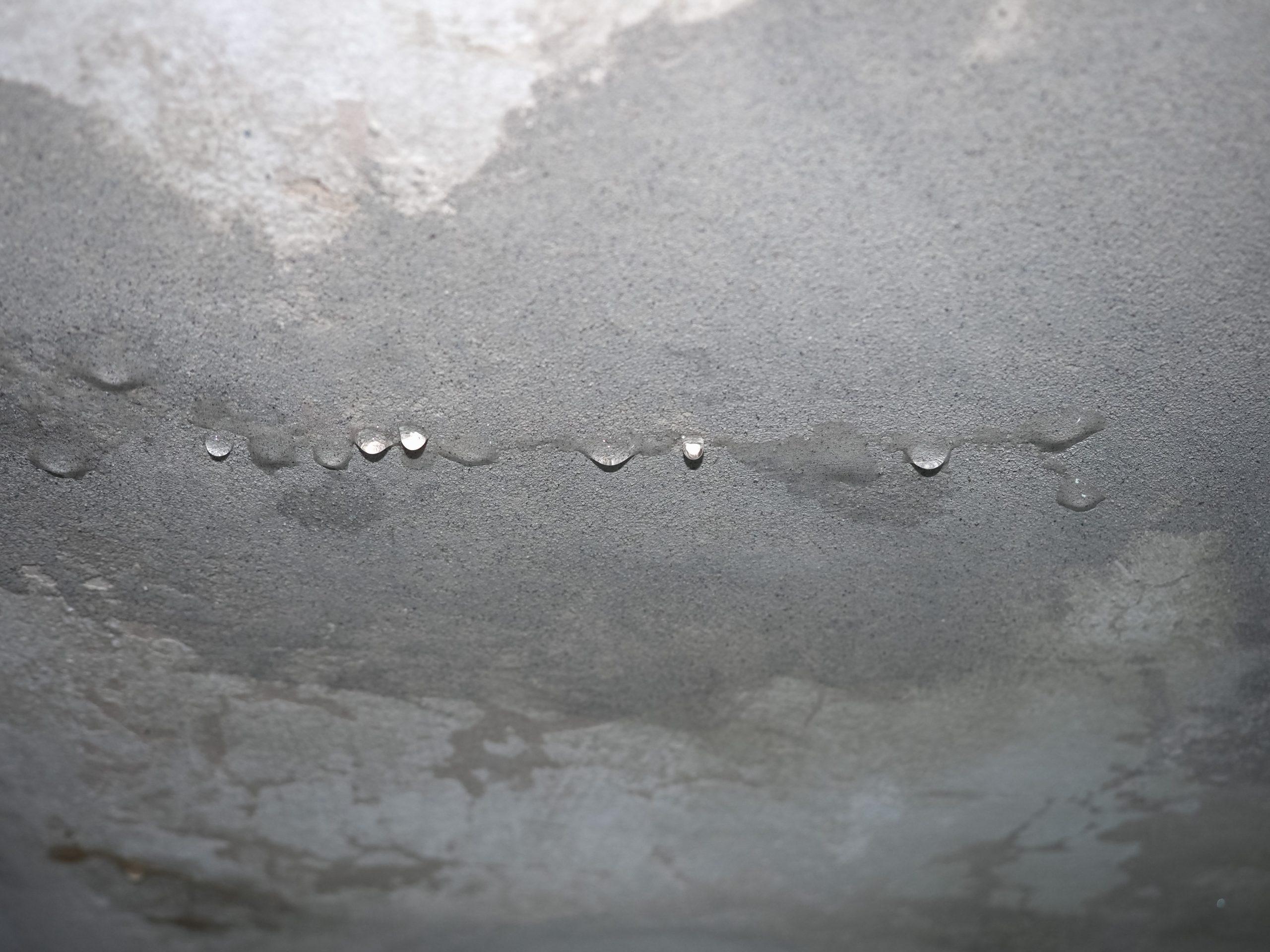
Misted up windows, laundry that will not dry, a musty smell: too much humidity in the house shows quickly and encourages both condensation and mold. Left unchecked, that damp air can also make a home feel colder and harder to heat. The good news is that much of it can be fixed with simple daily habits, without major work or expense. Here are the everyday habits worth adopting to keep the air healthy.
Airing and ventilating, the two basic reflexes
Indoor air picks up moisture simply through daily life: cooking, showering, breathing, even the plants on the windowsill. Renewing it is the first and cheapest way to bring down humidity in the house, and it costs nothing but a few open windows.
- air out each room morning and evening, even in winter;
- open the bathroom window after every shower or bath;
- check your mechanical ventilation and clean any clogged extraction vents;
- never block the air grilles on windows or walls;
- run the extractor hood while cooking.
Cutting the water vapour you produce
Part of the humidity in the house comes from our own activities, and we rarely notice how much water they release. A few small adjustments reduce the amount of vapour sent into the air each day.
- dry laundry outside whenever you can, or in a well ventilated room;
- put a lid on pans while cooking;
- avoid very long, very hot showers;
- leave a small gap under interior doors so air can move between rooms;
- pull furniture slightly away from cold walls to avoid stagnant pockets.
Humidity in the house: the habits that make the difference
Keeping a steady, mild temperature in the home helps too, because air that is too cold encourages condensation on the walls. Rooms that are heated evenly stay drier than those left cold, so try not to shut off unused rooms completely. The ideal is to aim for a humidity level between 40 and 60%, a simple comfort marker you can keep an eye on with a small hygrometer.
When damp persists despite everything
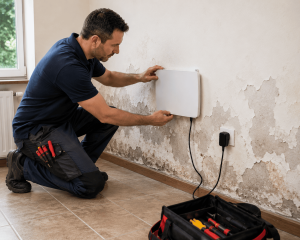
If condensation and stains come back despite these habits, the cause is often deeper: a ventilation fault, an infiltration, or rising damp. In that case, a proper diagnosis is needed. In the meantime, remember to deal with mold on walls as soon as it appears, and if your glass is affected, see how to limit condensation on windows.
Frequently asked questions
What is the ideal humidity level in a house?
A comfortable home usually sits between 40 and 60% relative humidity. Below that the air is dry; above it, condensation and mold settle in more easily.
Should I air out even in winter?
Yes. Airing out a little each day in winter renews the air without cooling the walls for long. Dry outside air replaces damp inside air, which limits condensation.