Damp Basement: Tips to Limit the Damage
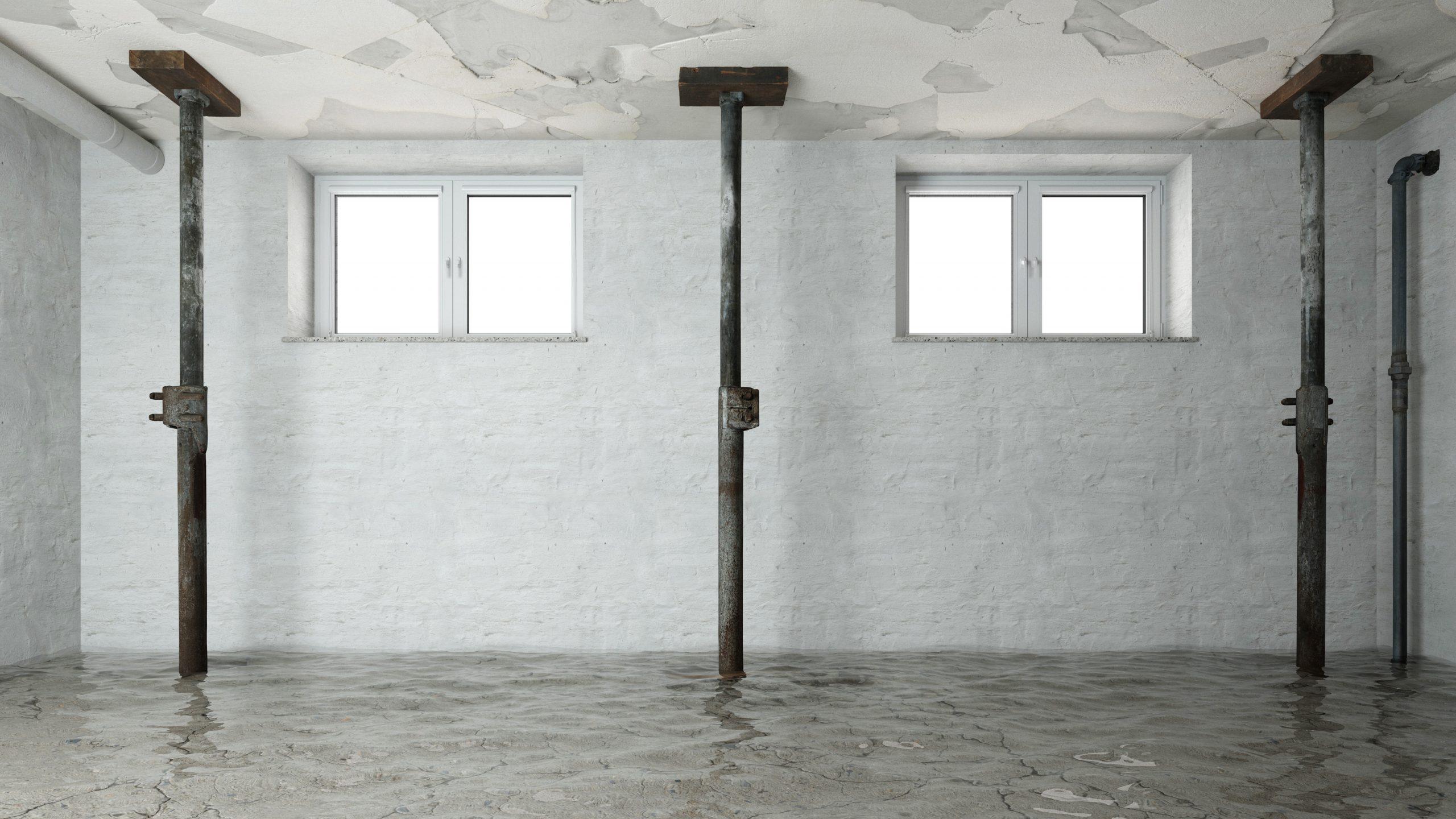
A damp basement means a musty smell the moment you open the door, walls that weep and cardboard boxes that warp. It is common, because a basement is below ground, cool and often poorly ventilated. Here is why moisture takes hold and practical tips to limit the damage day to day.
Why a basement is often damp
Several reasons add up. The basement is below ground, so it is surrounded by cooler, sometimes damp soil. Its walls stay cold all year, which encourages condensation when warmer air comes in. Add infiltrations through the walls, rising damp that draws water from the ground up into the masonry, and a lack of ventilation that stops the air renewing. A damp basement often combines several of these causes.
Damp basement: tips to limit the damage
Here are the useful moves to freshen up a damp basement and protect what you store there.
- ventilate whenever the outside air is drier than the basement air, for example in cold, dry weather rather than in muggy weather;
- do not store cardboard and textiles directly against the walls, which are the dampest zones;
- raise your belongings on shelves or pallets to keep them off the floor;
- use a dehumidifier if the air stays too loaded despite ventilation;
- treat infiltrations at their source rather than hiding the stains;
- clear and clean the air vents to let air in;
- check the drains and pipes running through the basement, because a small leak keeps the damp going;
- never seal the basement completely: without a little air, moisture stagnates and the problem gets worse.
Ventilating without adding moisture
The right time to air out is when the outside air is drier than the basement air. In summer, warm, heavy air coming into a cool basement actually creates condensation on the walls. It is better to open the vents in dry, cool weather, early in the morning or in winter, and to create a slight draught between two facing openings if you can.
Protecting what you store
In a damp basement, anything that absorbs water breaks down: cardboard, paper, wood, fabric. Prefer closed plastic bins, keep furniture away from cold walls and leave a gap so air can flow behind. Check the corners regularly, because mold often starts in a dark, poorly aired angle.
A healthy basement benefits the whole home
A cleaned up basement benefits the whole home, because damp air can migrate to the rooms above. The same reflexes help in a damp bedroom, and our tips against humidity in the house round off these everyday habits nicely.
Frequently asked questions
How do I know if my basement is too damp?
A lingering musty smell, weeping walls, whitish salt deposits or softening cardboard are clear signs. A hygrometer helps confirm: if it stays well above a comfortable level, a damp basement needs ventilation and sometimes a dehumidifier.
Should I heat a basement to dry it out?
Heating a little can limit condensation on cold walls, but it does not replace ventilation. Without air renewal, the moisture comes back. The essentials remain airing out at the right time and treating any infiltration at its source.