Damp polarity inverter: reviews, efficiency and limits
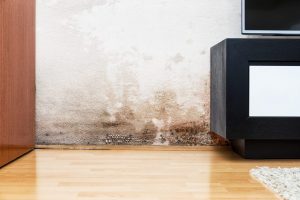
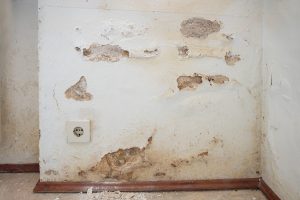
Searches about damp polarity inverters show real hesitation. Homeowners want to know whether the technology can help, whether reviews are reliable and in which situations it should not be used. This caution is normal, because wall damp is often stressful and expensive to deal with.
Why are reviews sometimes contradictory?
Reviews vary because damp problems are not all the same. A polarity inverter can be suitable for rising damp, but it will not correct a plumbing leak, facade infiltration or a roof defect. When the origin of the problem is not properly identified, the result cannot be evaluated correctly.
What should be expected from a device?
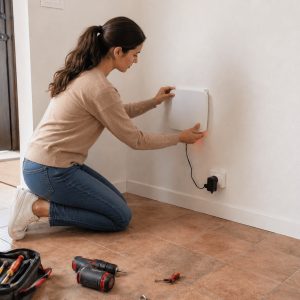
An ATE or ATG device supports a gradual drying process. It does not turn a damp wall into a dry wall in a few days. The time required depends on wall thickness, water level, salts in the materials and ventilation. A serious improvement must be assessed over time.
Limits to know
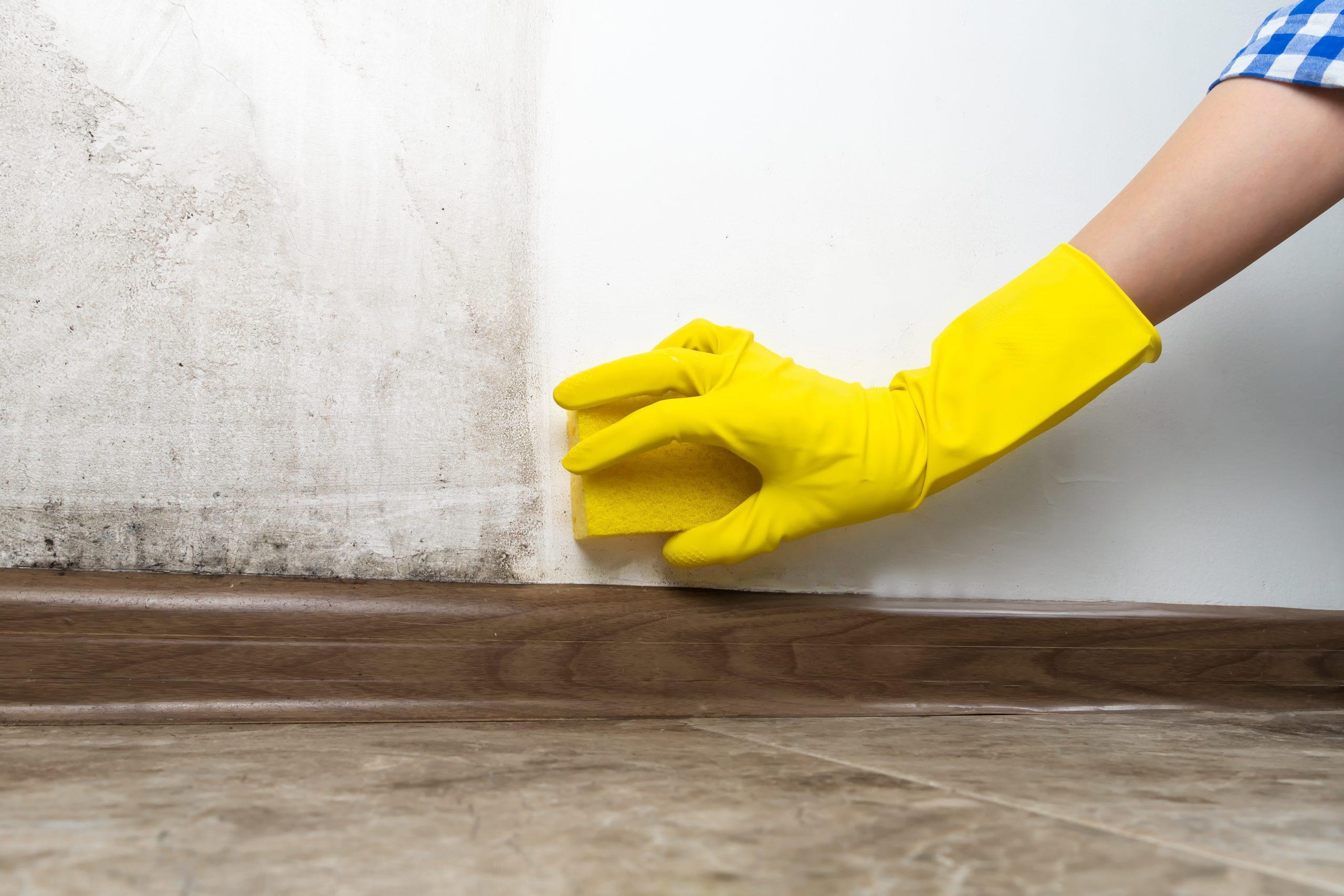
The technology does not replace necessary work when infiltration is active. It also does not remove existing mould without suitable cleaning. It must be part of a coherent approach: good ventilation, breathable surfaces and a device that truly covers the building.
How to form a reliable opinion
The cause of the damp, the type of wall, the covered area and the installation conditions must all be considered. Humidité Conseil sells ATE and ATG devices, but the choice must remain adapted to the property. The online selection tool helps avoid model mistakes and unrealistic expectations.
Conclusion
A polarity inverter can be relevant against rising damp when the problem is correctly identified. It becomes disappointing if it is used for a cause it cannot treat. The right decision is to choose the right device, for the right problem, with a realistic time frame.