Rising damp: signs, causes and solutions
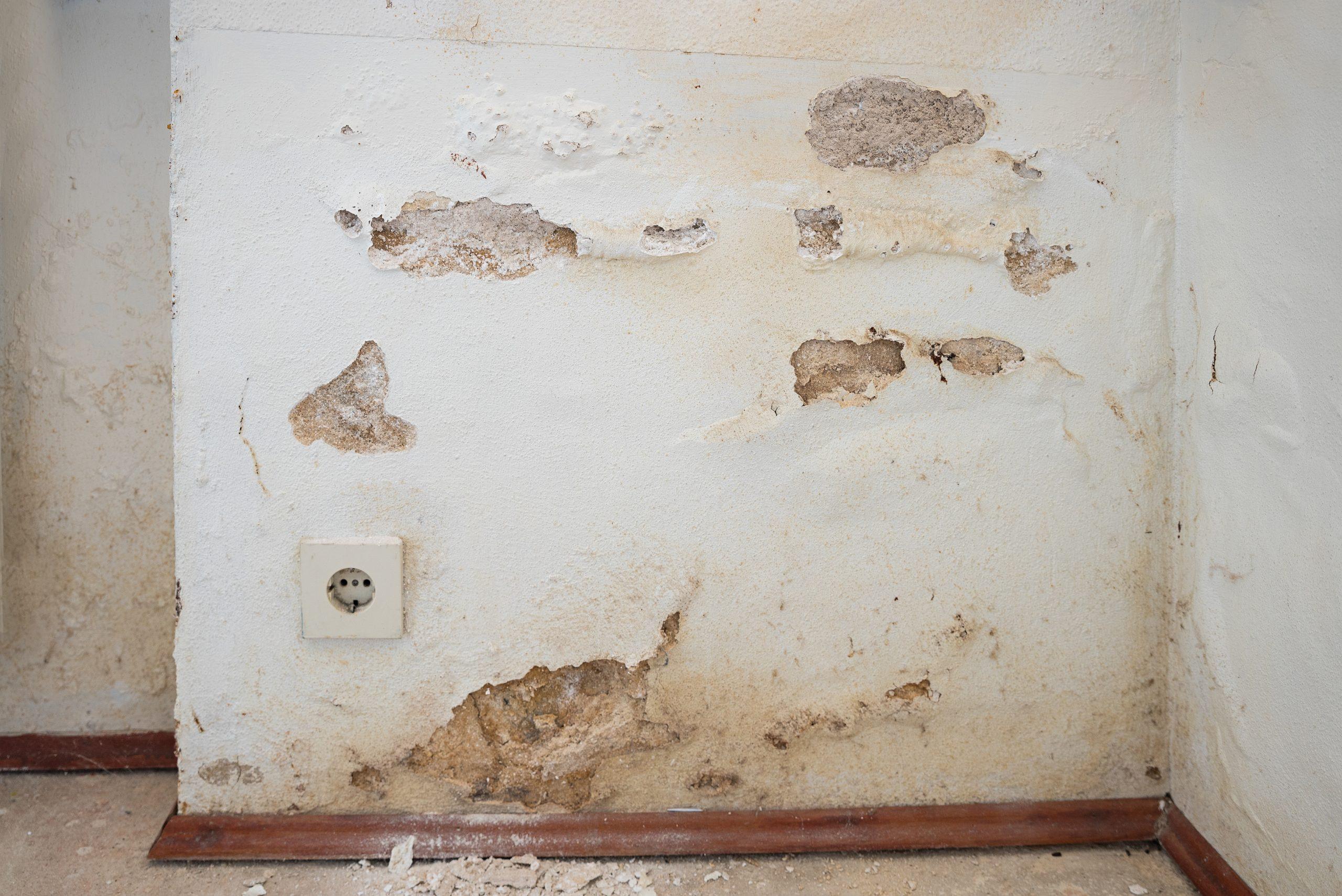
Rising damp often worries homeowners because it appears gradually and can end up damaging walls, plaster and paint. The problem comes from water in the gro
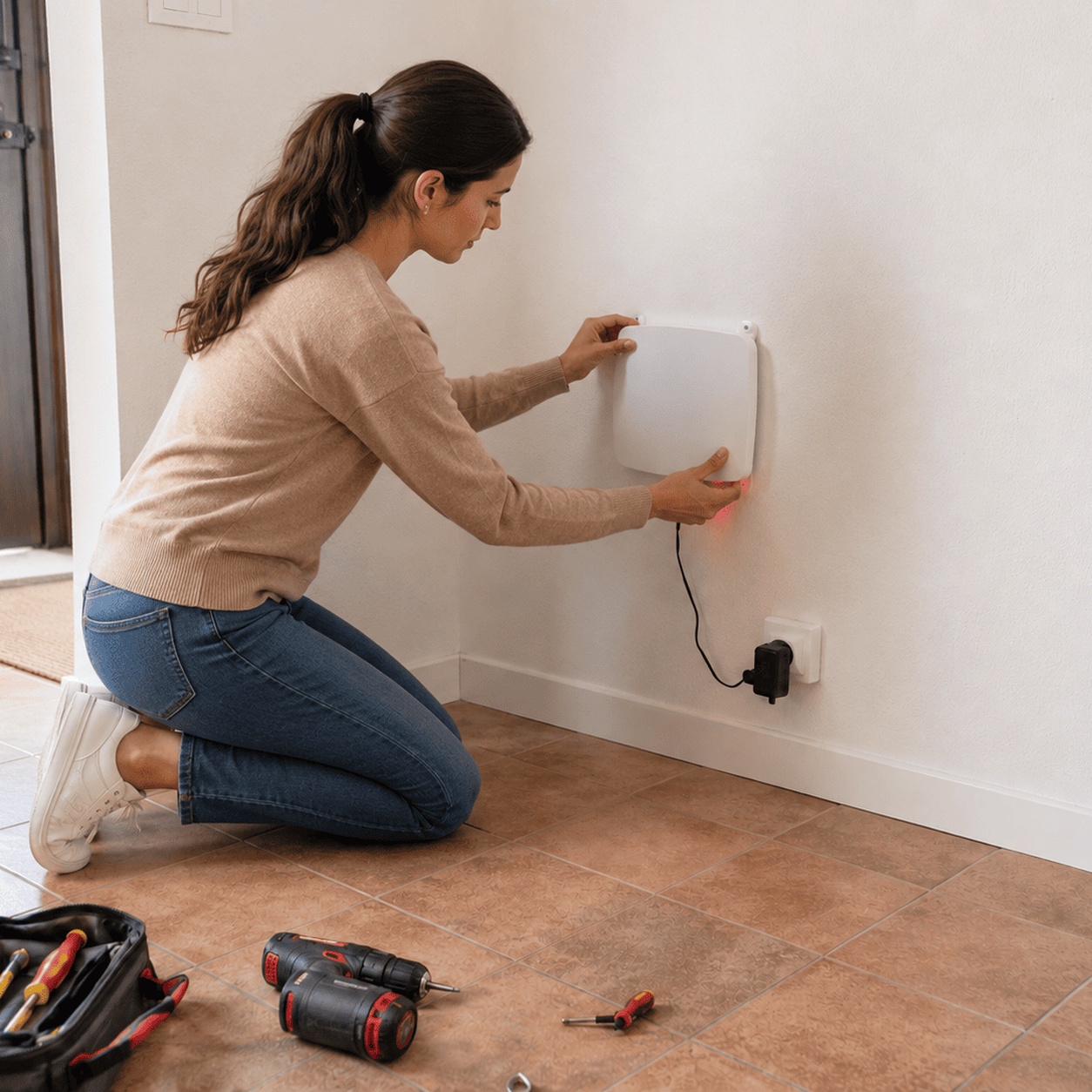
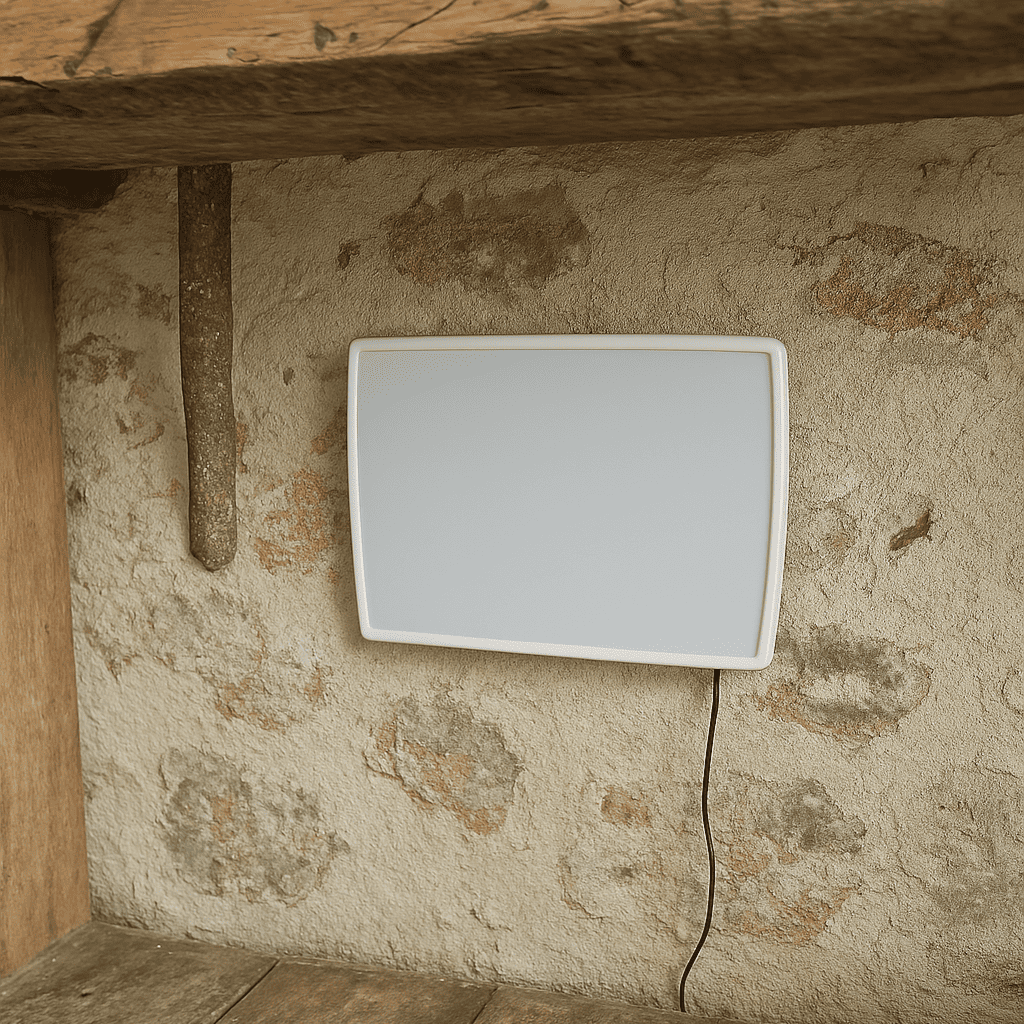
A clear guide to the ATE device, its correct installation and its limits for walls affected by rising damp.
The ATG device is a geomagnetic solution without electricity, useful when the building layout does not easily allow a powered ATE device.
ATE or ATG: understand the real difference to choose a device suited to rising damp and to the building configuration.
Searches about damp polarity inverters show real hesitation. Homeowners want to know whether the technology can help, whether reviews are reliable and in w
Resin injection is a well-known method against rising damp, but it is not the only option. Many homeowners now want to dry a damp wall without multiple dri
A wall that stays damp after work often creates confusion. The homeowner may have redone the plaster, changed the paint, improved ventilation or installed
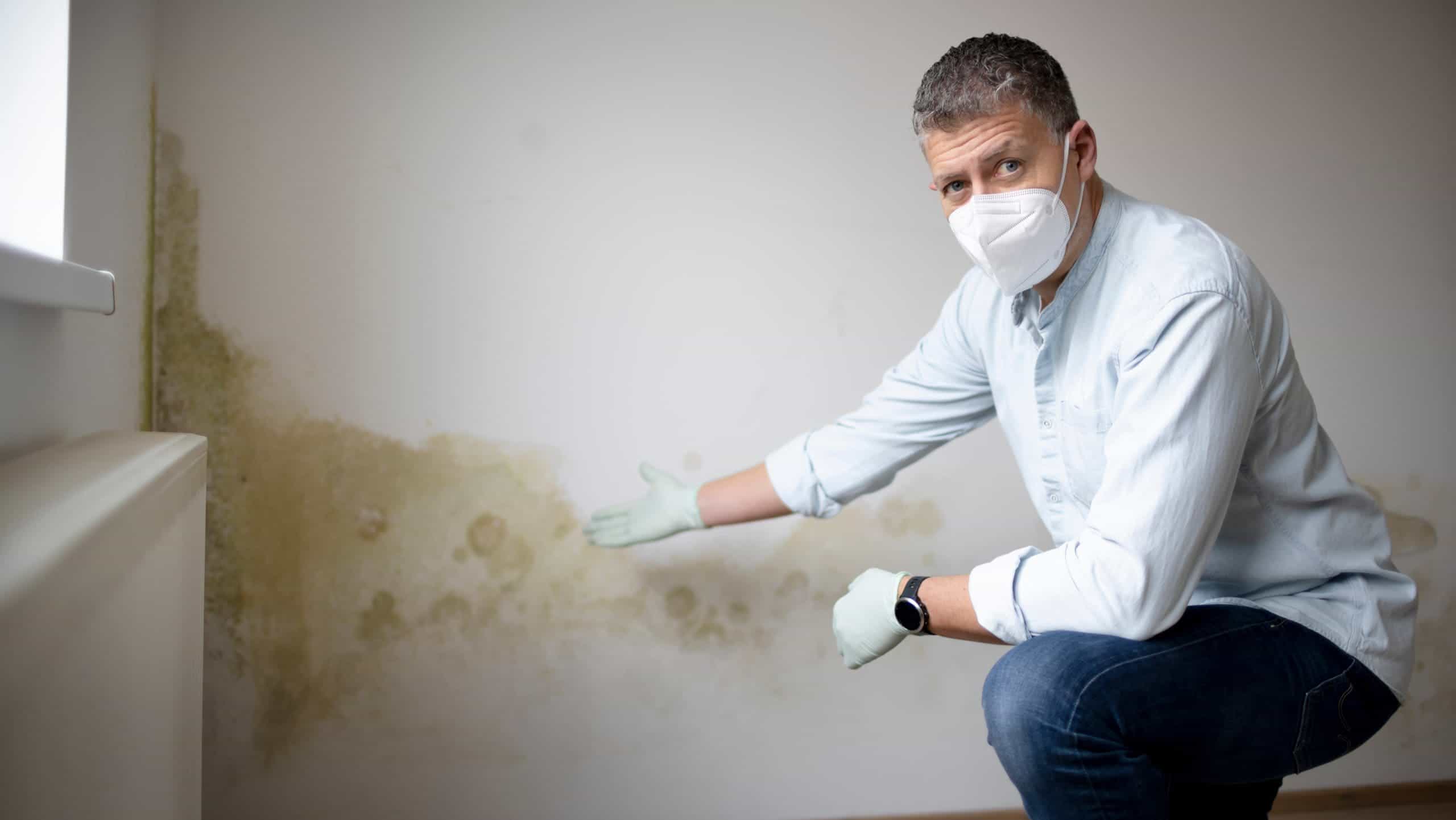
Before buying a product or starting work, it is essential to distinguish condensation, infiltration and rising damp. These three causes can create similar
Installation mistakes can limit the relevance of an anti-damp device. Here are the rules to follow before choosing a model.
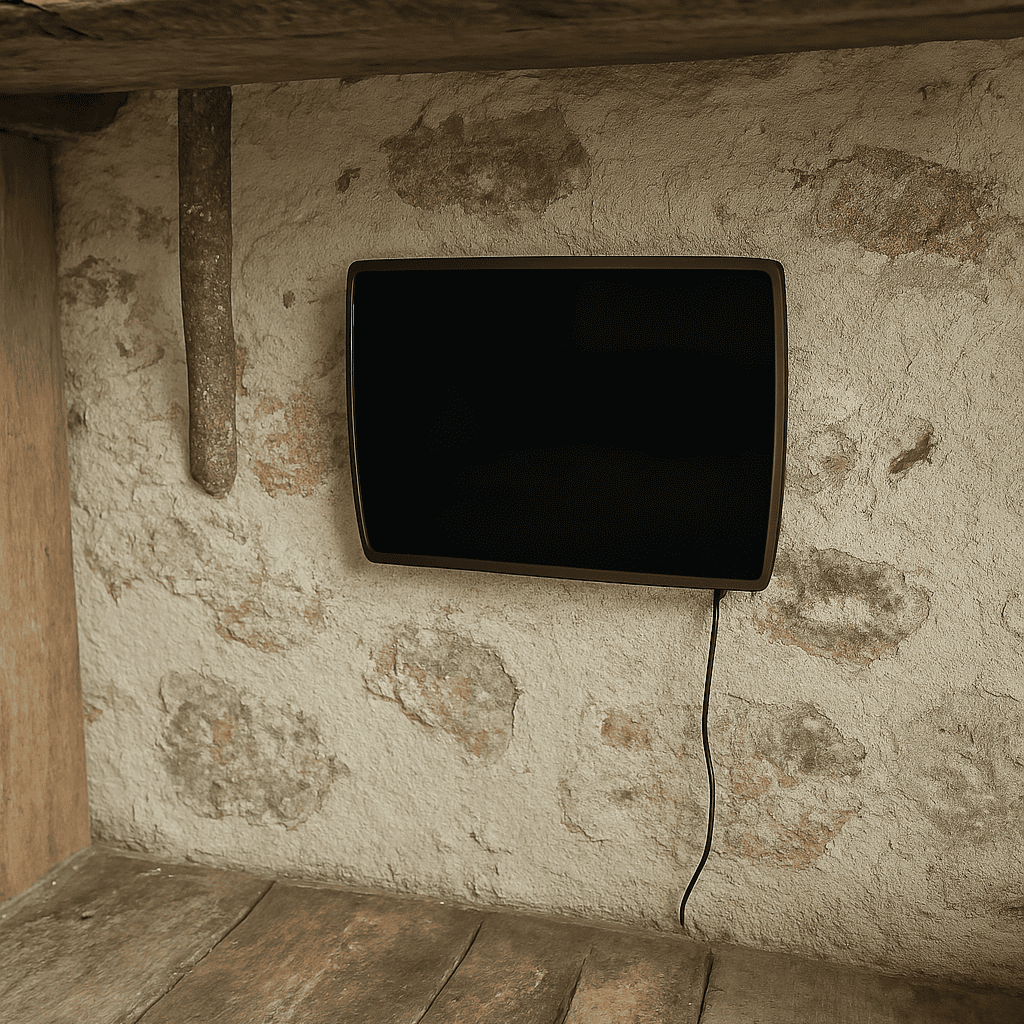
Damp in an old house should not be treated as a simple cosmetic defect. Thick walls, porous materials, old floors and the absence of an effective damp-proo