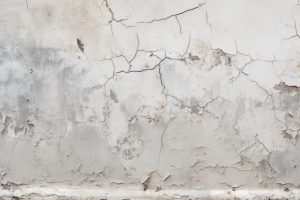
Why does a wall stay damp after work?
A wall that stays damp after work often creates confusion. The homeowner may have redone the plaster, changed the paint, improved ventilation or installed a new covering, yet the marks return. In this situation, the reasoning must start again from the cause, not from the visible appearance of the wall.
The treatment may not have targeted the right origin
Condensation, infiltration and rising damp are not treated in the same way. Anti-damp paint may limit a surface mark, but it does not block water rising from the ground. In the same way, a device against rising damp will not repair a faulty gutter.
The wall may need time
After a suitable solution is installed, a thick wall does not dry immediately. The water stored in the materials must leave gradually. Mineral salts may also appear during the drying phase, which can give the impression that nothing is changing even though the wall is evolving.
Coatings may block drying
Cement render, waterproof paint, tiles or unventilated lining can prevent evaporation. The wall then keeps moisture for longer. Before concluding that a treatment does not work, it is important to check that the surface can breathe.
Which solution should be considered next?
If the origin is truly rising damp, an ATE or ATG device can support drying. If the origin is infiltration or a leak, the priority remains repairing the water entry. Humidité Conseil helps choose a device when the situation really matches its purpose.
Conclusion
A wall that remains damp does not necessarily mean that all treatments are useless. It mainly means that the exact cause must be identified, blocking factors corrected and a solution chosen according to the building.