Installing an anti-damp device: mistakes to avoid
Installing an anti-damp device: mistakes to avoid
Installing an anti-damp device requires a few simple rules. A wrong location, wrong model or wrong understanding of the moisture cause can create disappointment even when the product itself is not the real issue.
On Humidité Conseil, ATE and ATG devices are offered for rising damp. They must not be used to treat a leak, active water ingress, water damage or excessive condensation.
Mistake 1: installing an ATE on a partition
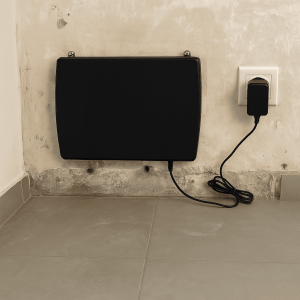
An ATE device must not be installed on a partition, lining, plasterboard surface or decorative support. This is not a correct installation.
The rule is clear: the ATE must be installed on a load-bearing wall, low on the wall, in an area suited to the damp symptoms and to the coverage of the selected model. It must also remain permanently connected to an electrical socket.
Mistake 2: choosing an ATG when an ATE is possible
The ATG is a geomagnetic solution without electricity. It is useful when the building configuration does not easily allow the installation of a powered ATE device connected to a socket.
If an electrical socket is available and installation on a load-bearing wall is possible, the ATE generally remains the priority solution recommended by Humidité Conseil.
Mistake 3: confusing the causes of moisture
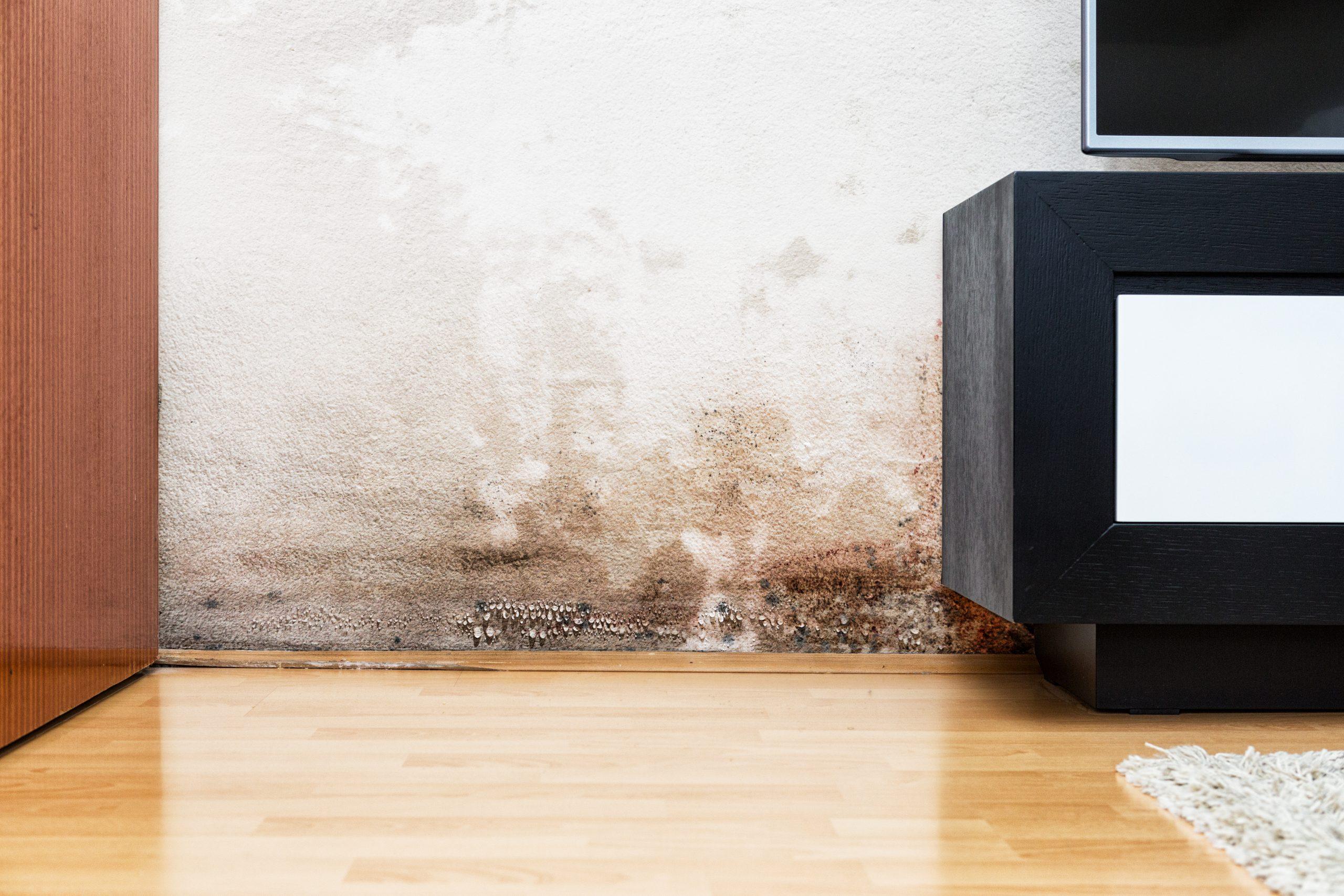
Rising damp often appears at the bottom of walls, with salt deposits, damaged plaster and horizontal marks. Façade water ingress, a leak or a ventilation problem must not be treated in the same way.
Before buying a device, it is therefore important to check that the symptoms really match moisture rising from the ground.
Mistake 4: ignoring model coverage
Each device covers a defined area. A model that is too weak for the surface or the building configuration may not meet expectations. Choosing a more powerful model without analysis does not replace a correct initial assessment.
The surface, wall thickness, number of levels and shape of the building must be taken into account.
Mistake 5: expecting an immediate result
Wall drying takes time. The materials must gradually release stored water. Mineral salts may also continue to appear during the drying period.
Correct installation therefore does not mean a dry wall in a few days. It means creating the right conditions to support drying over time.
Conclusion
To install an anti-damp device correctly, the right model and the right installation rules must be respected. The ATE is installed on a load-bearing wall, low on the wall, and remains connected to an electrical socket. The ATG is mainly for configurations where electricity or ATE installation is not practical. The Humidité Conseil online selection guide helps avoid these mistakes before purchase.