ATG device: when to choose a solution without electricity
ATG device: when to choose a solution without electricity
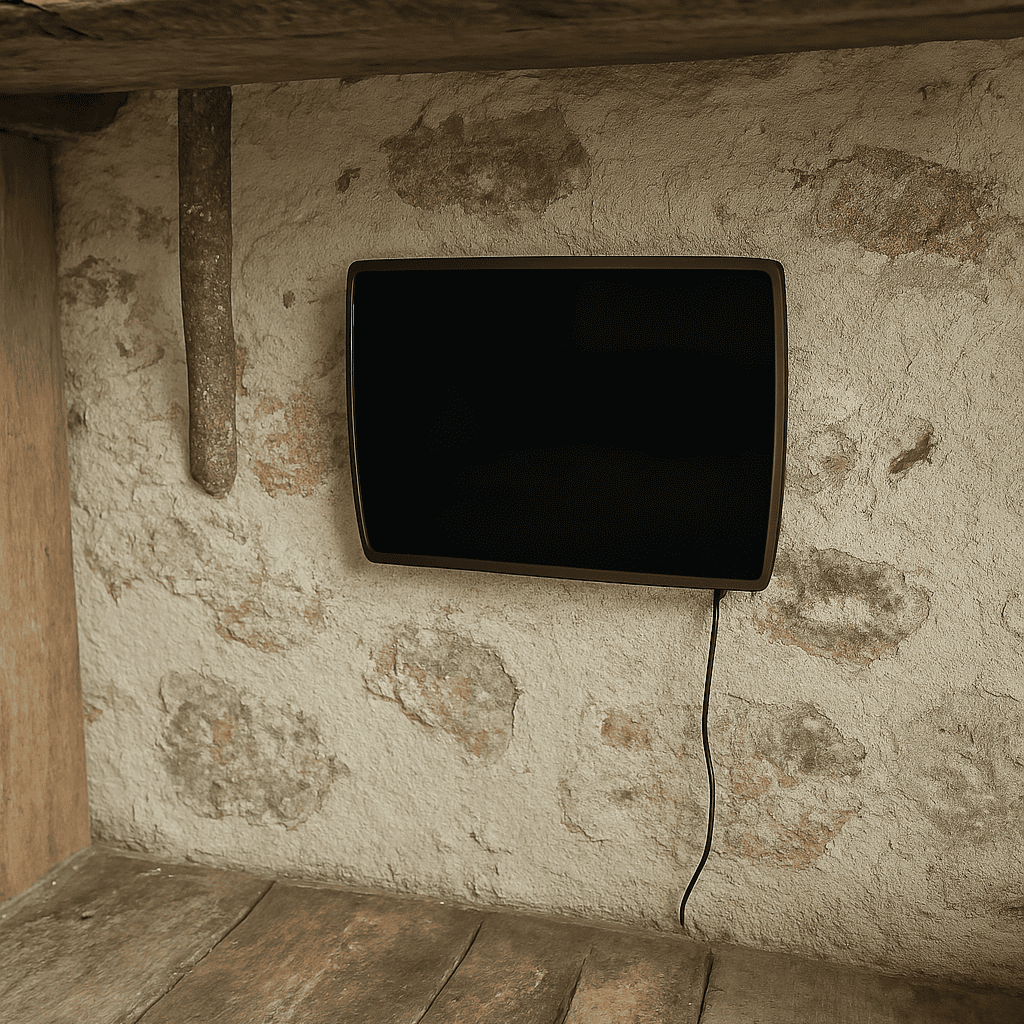
The ATG device is a geomagnetic solution designed to support the drying process of walls affected by rising damp, without an electrical connection, without batteries and without daily maintenance.
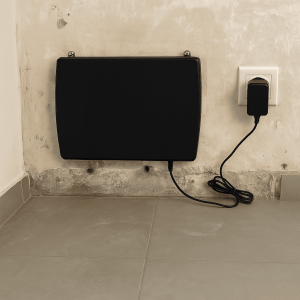
It should not be presented as the main choice in every situation. On Humidité Conseil, the ATE is generally recommended first when the building allows correct installation and has a suitable electrical socket.
What is an ATG device used for?
The ATG is intended for situations where an autonomous solution against rising damp is required. It can be useful in a building where access to electricity is difficult, absent or impractical near the installation area.
Its main value is therefore its operation without power. It answers a configuration constraint rather than replacing an ATE device in every case.
When should an ATG be considered?
An ATG can be considered when the house, room or building does not easily allow installation of a device connected to an electrical socket.
It can also be considered when the customer wants a passive solution, provided that the moisture problem is truly rising damp and not water ingress, a leak or significant condensation.
Why is the ATE often the priority?
The ATE is connected to an electrical socket and works as an active electromagnetic device. For this reason, Humidité Conseil recommends it more often when the building configuration allows it.
The ATG remains useful when an ATE is not practical to install, especially when no electrical socket is available or when the building environment does not easily allow a powered device.
Limits to know
Like the ATE, the ATG does not treat water ingress, leaks, water damage or condensation problems. It should not be purchased to hide a moisture cause that requires building repair.
The model must also match the area to cover. A weak, poorly placed or poorly selected solution can create unrealistic expectations.
How to avoid choosing the wrong device
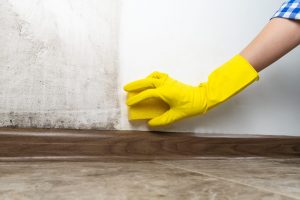
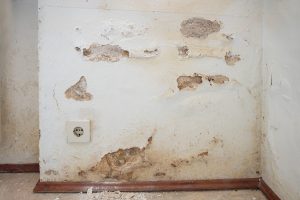
The first step is to identify the origin of the moisture. If marks appear at the bottom of walls, with salts, damaged plaster and moisture rising from the ground, rising damp can be considered.
Humidité Conseil offers an online selection guide to direct customers toward an ATE or ATG according to the real building configuration, the presence of an electrical socket and the symptoms observed.
Conclusion
The ATG device is useful when the building configuration does not easily allow the installation of a powered ATE device. If an electrical socket is available and installation on a load-bearing wall is possible, the ATE generally remains the priority recommendation.