Damp in an old house: what should you do?
Damp in an old house should not be treated as a simple cosmetic defect. Thick walls, porous materials, old floors and the absence of an effective damp-proof barrier make these buildings more sensitive to water rising from the ground. Before choosing a solution, it is important to understand how the house was built.
Why old houses are more exposed
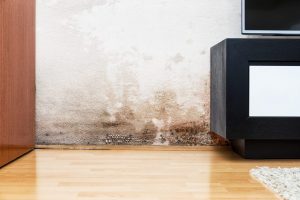
Stone, brick and old mortars absorb and release moisture. This natural behaviour becomes problematic when walls are blocked by impermeable coatings, poor ventilation or very damp ground. Marks then appear at the bottom of the walls and may be accompanied by salt deposits.
Common mistakes
Repainting too quickly, installing waterproof lining or hiding the wall behind a covering can make the situation worse. The wall can no longer breathe and the moisture moves elsewhere. It is better to avoid solutions that block evaporation without treating the origin of the problem.
Which solutions can be considered?
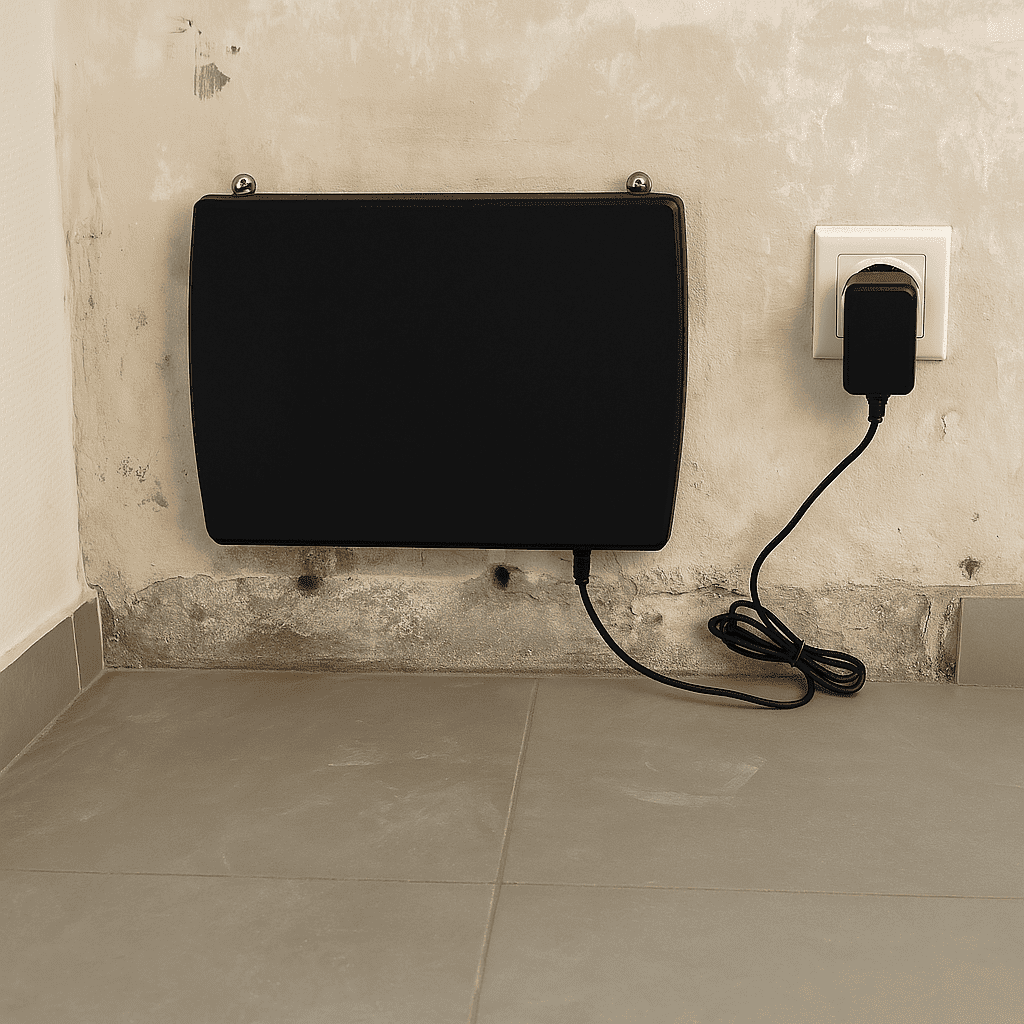
When the damp comes from rising moisture, ATE and ATG devices can support gradual wall drying. They avoid heavy work and are often more respectful of old buildings than an invasive intervention. The choice depends on the surface area, wall thickness and intensity of the symptoms.
Do not confuse it with infiltration
An old house may also suffer from a damaged roof, a cracked facade or insufficient drainage. In that case, the water entry must be treated before looking for a device. The Humidité Conseil online selection tool helps guide the choice when the signs correspond to rising damp.