Rising damp: signs, causes and solutions
Rising damp often worries homeowners because it appears gradually and can end up damaging walls, plaster and paint. The problem comes from water in the ground, which rises through porous materials when the building has no effective damp-proof barrier or when the existing barrier no longer works properly.
How can rising damp be identified?
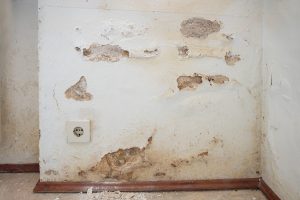
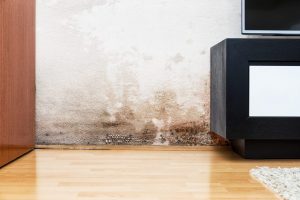
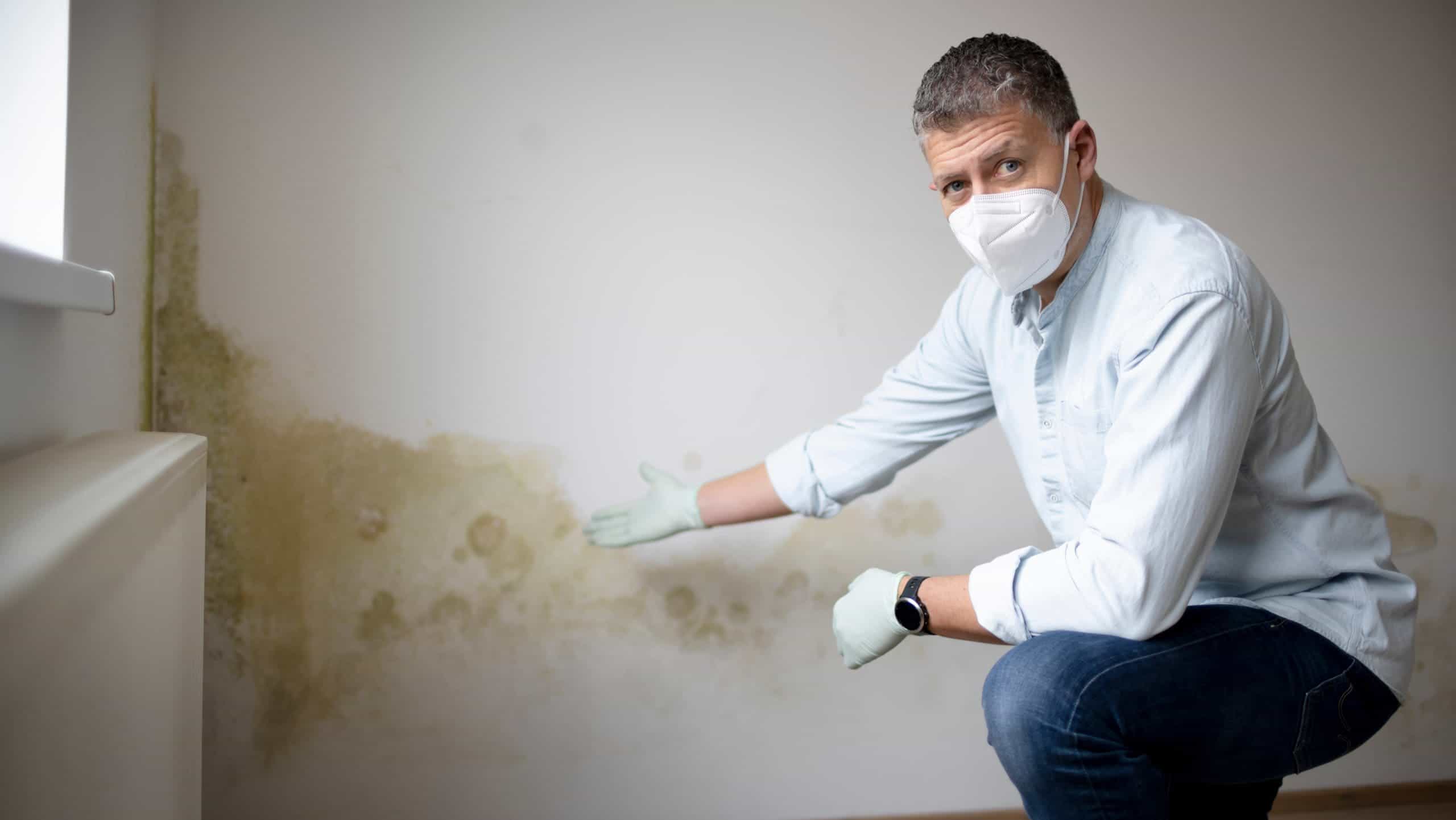
The signs usually appear at the bottom of walls. You may notice damp marks, white salt deposits, swollen skirting boards, loose plaster or blistering paint. The height of the marks can vary depending on the wall material, the amount of water in the ground and the ventilation of the room.
A wall affected by rising damp often remains wet even after simple cleaning. This is why repainting or covering the surface is not enough. These solutions may hide the problem for a few months, but they do not treat the cause.
The most common causes
Older houses, stone walls, buildings without a crawl space and ground-floor rooms are particularly exposed. Damp can also become worse when a coating is too impermeable and prevents the wall from breathing, or when indoor ventilation is insufficient.
Which solution should be considered?
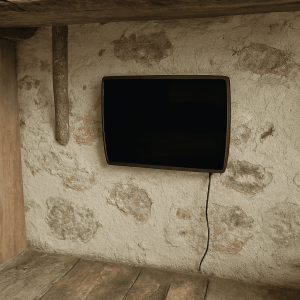
The right answer depends on the exact origin of the damp. When the issue is genuinely rising damp, a wall-drying device can support the gradual drying of the masonry. The ATE and ATG ranges offered by Humidité Conseil are designed for this purpose, with different technologies depending on the building layout.
A device does not replace leak repairs, external waterproofing or drainage when water enters from the side. However, it can be relevant when moisture rises from the ground and spreads through load-bearing walls.
Choosing carefully before buying
The choice depends on the area to be covered, the structure of the building, the presence of load-bearing walls and the level of damp observed. The online selection tool from Humidité Conseil helps guide customers toward the most suitable product, without confusing rising damp with infiltration or condensation.