Condensation, infiltration or rising damp?
Before buying a product or starting work, it is essential to distinguish condensation, infiltration and rising damp. These three causes can create similar marks, but they do not require the same solutions. A wrong identification often leads to unnecessary expense and disappointing results.
Condensation
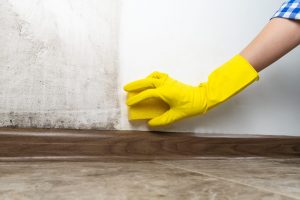
Condensation appears when humid indoor air meets a cold surface. It is often seen in poorly ventilated rooms, near windows, in corners or behind furniture. The priority is to improve ventilation, reduce indoor humidity and remove thermal bridges when possible.
Infiltration
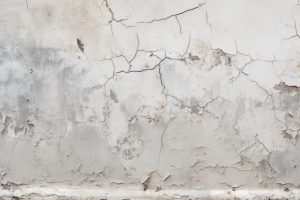
Infiltration comes from external water entry. It may be linked to a cracked facade, a faulty gutter, a damaged roof or a poorly protected buried wall. In this case, an anti-damp device does not replace the repair of the water entry. The cause must be corrected before lasting drying can be expected.
Rising damp
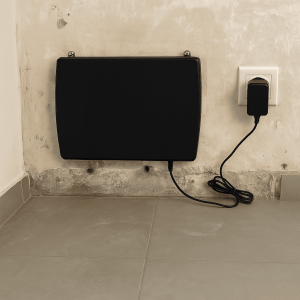
Rising damp starts from the ground and mainly affects the lower part of walls. It often causes salt deposits, damaged plaster and horizontal marks. In this case, an ATE or ATG device can be considered to support gradual wall drying.
How to avoid the wrong treatment?
The position of the marks, their evolution after rain, the room ventilation and the wall type must be observed. The Humidité Conseil online selection tool helps guide the choice when symptoms match rising damp.