Ponsonnas Church: what the wall moisture checks recorded
This Humidistop France case file brings together the observations available for one building. It is intended to help property owners prepare a project from dated records, the construction materials and the conditions of each sample.
For contractors, local authorities and building managers, the Ponsonnas Church report illustrates how a wall drying project can be followed through dated observations. The installation took place on 4 May 2015; the follow-up readings are dated 26 May 2017.
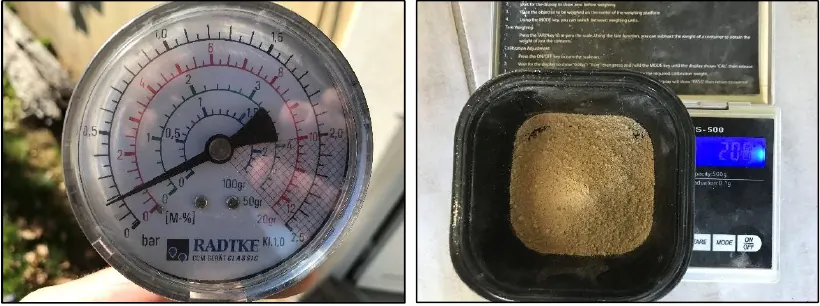
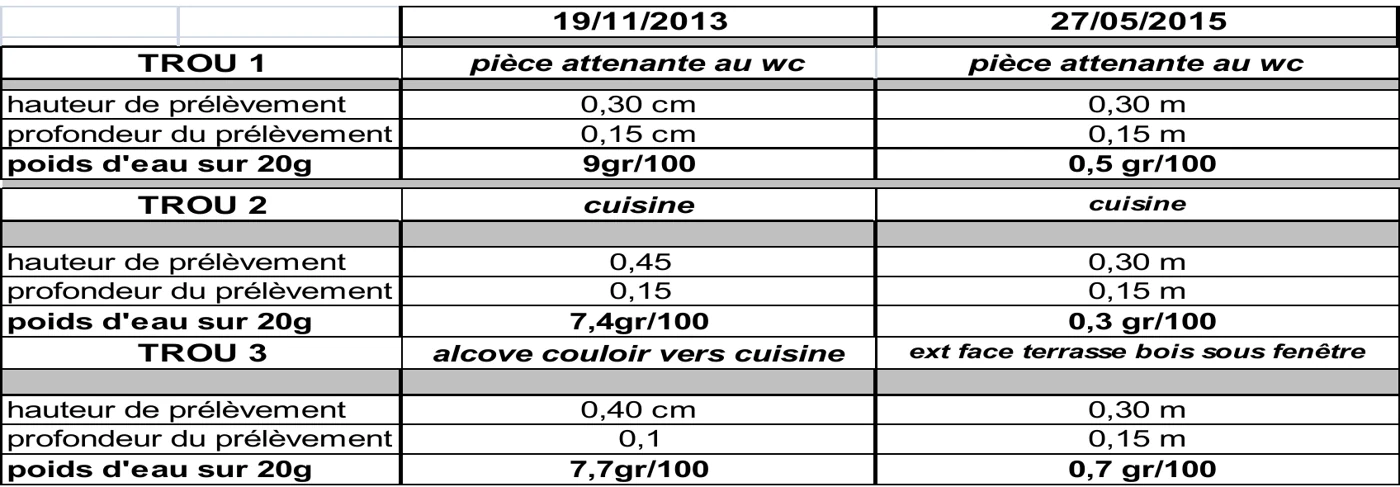
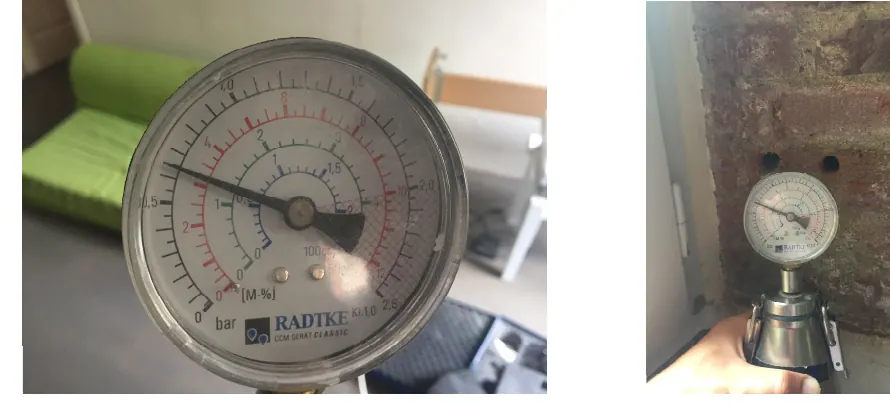
Measurements recorded in the report
| Sampling point | Initial record | Follow-up record |
|---|---|---|
| Right-hand stone wall | 6.4 gr/100 | 3.5 gr/100 |
| Left-hand stone wall | 6 gr/100 | 2.0 gr/100 |
The sampling points are recorded at 30 cm above the floor and 20 cm deep. The heading mentions a 20 g sample, while the individual lines state 10 g. The units below therefore reproduce the report and are not converted into a common percentage.
How to interpret the follow-up
The report describes drying in progress and a device with an announced coverage diameter of 45 m. It also stresses ventilation. The exact device model is not identified in this control report; the case must not be presented as a test of a different current model.
Preparing the next steps for your building
Before selecting equipment, locate the affected walls on a plan and separate rising damp from rainwater entry, plumbing leaks and condensation. Keep dated photographs and note any changes to gutters, drainage, ventilation or wall finishes. These details matter when discussing coverage and placement.
What can this reference establish?
The figures describe the sampled points and the visits stated in the document. They do not establish a uniform condition throughout a building. Where locations or sample conditions changed, keep that limitation alongside the result. Finishing work should follow the actual condition of the substrate and any salts remaining in it.
How should equipment be compared?
Compare the exact technical reference, its coverage diameter, installation instructions and power requirements. ATE equipment is electromagnetic and uses electricity; ATG equipment is geomagnetic and operates without a mains connection. Keep the historical model in the report distinct from a model currently on sale. Address other water sources as part of the project.
Other Humidistop France references
Source: Humidistop site report supplied for this reference. Conclusions are attributed to that document; readings retain their original units and sampling limits.