Damp problem: prepare useful records before an assessment
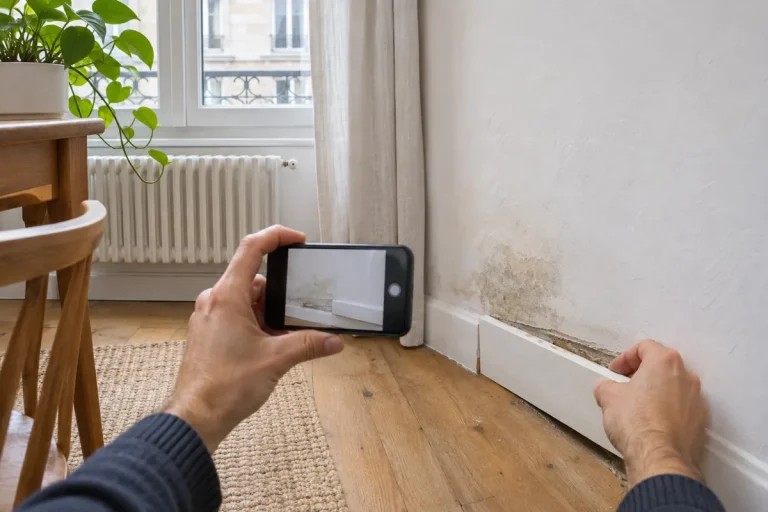
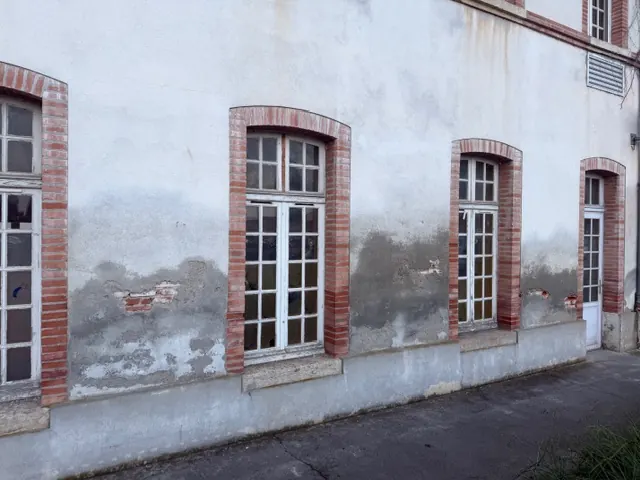
Prepare records of marks, dates, weather, use and previous work.
Read the guideOur guides help you recognise signs of condensation, water ingress or rising damp and choose a suitable solution.
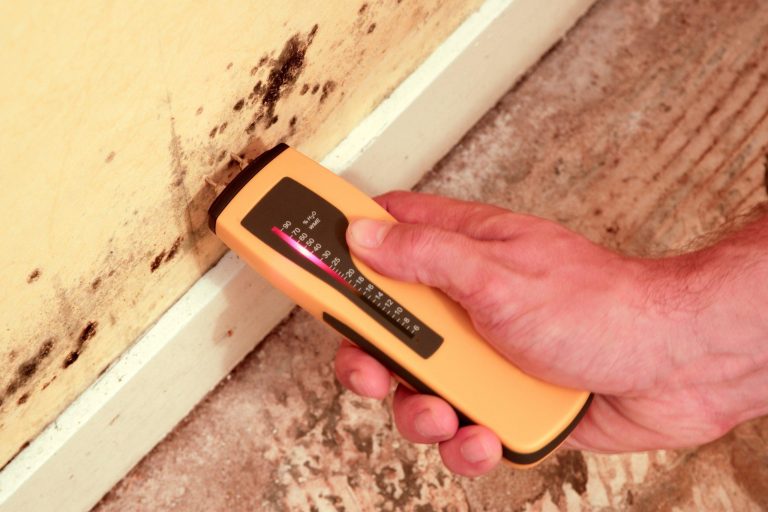
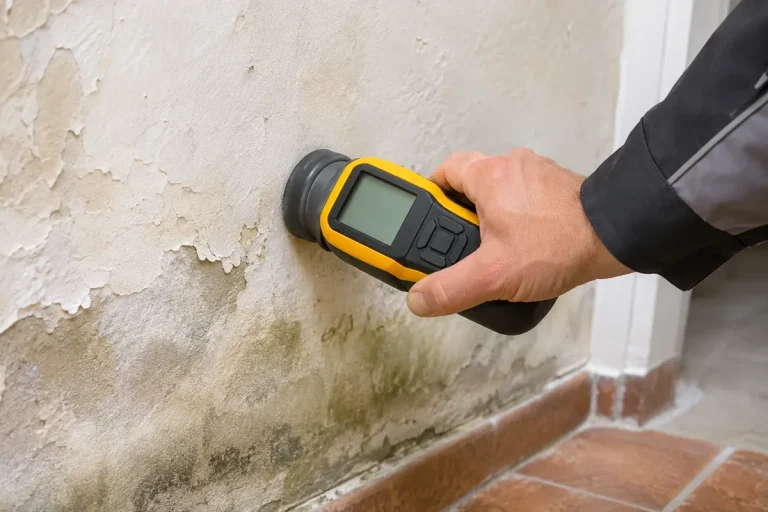
Visible signs provide clues. Investigations and suitable measurements are needed to check the cause.
Question 1 / 3
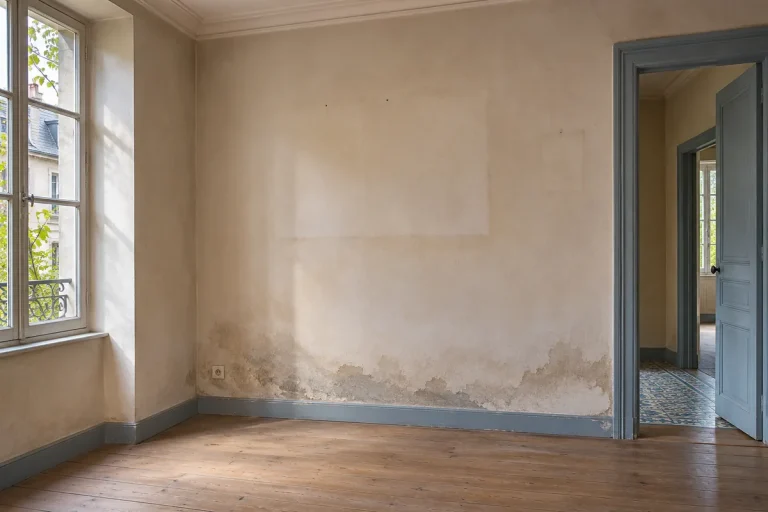
Are the marks at the bottom of the wall?
This questionnaire provides guidance; it does not confirm a diagnosis.
38 articles
Prepare records of marks, dates, weather, use and previous work.
Read the guideMarks, smells, condensation, blistered paint and distorted materials deserve a record.
Read the guideBefore choosing work, record where and when damp appears.
Read the guideMould at home: investigate moisture sources, plan appropriate remediation and protect occupants without confusing wall devices with medical care.
Read the guideDamp, mould and respiratory health: understand risks, record useful clues and distinguish medical assessment from investigation of the building.
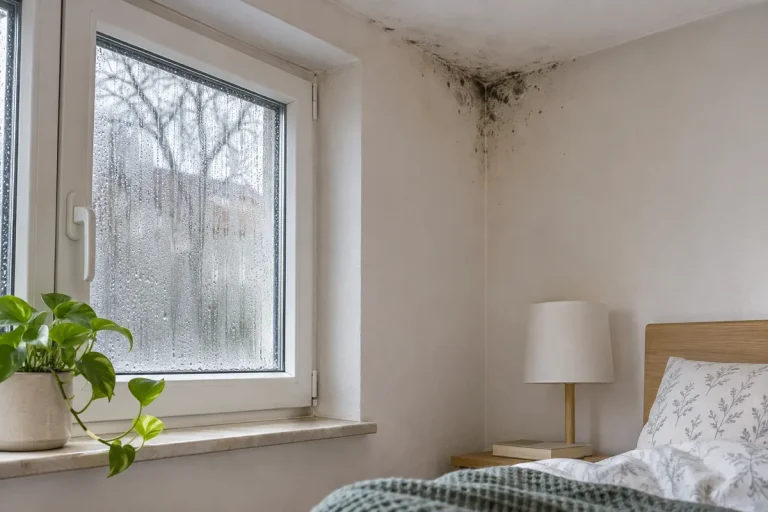
Read the guideMisted windows, droplets or damp corners: check vapour, ventilation and cold surfaces before choosing measures against condensation.
Read the guideWindow airing, natural and mechanical ventilation: check air renewal and distinguish condensation, leaks and rising damp before choosing equipment.
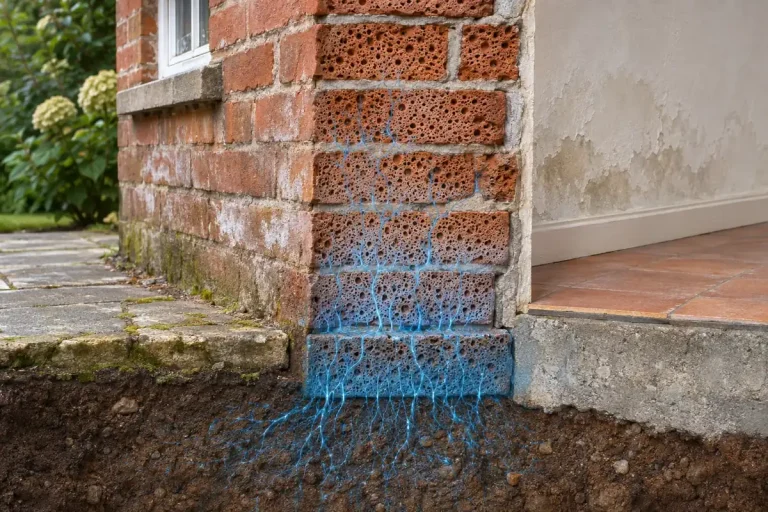
Read the guideUnderstand how ground moisture can move through masonry, interpret salts and damage, distinguish other causes and plan checks before choosing treatment.
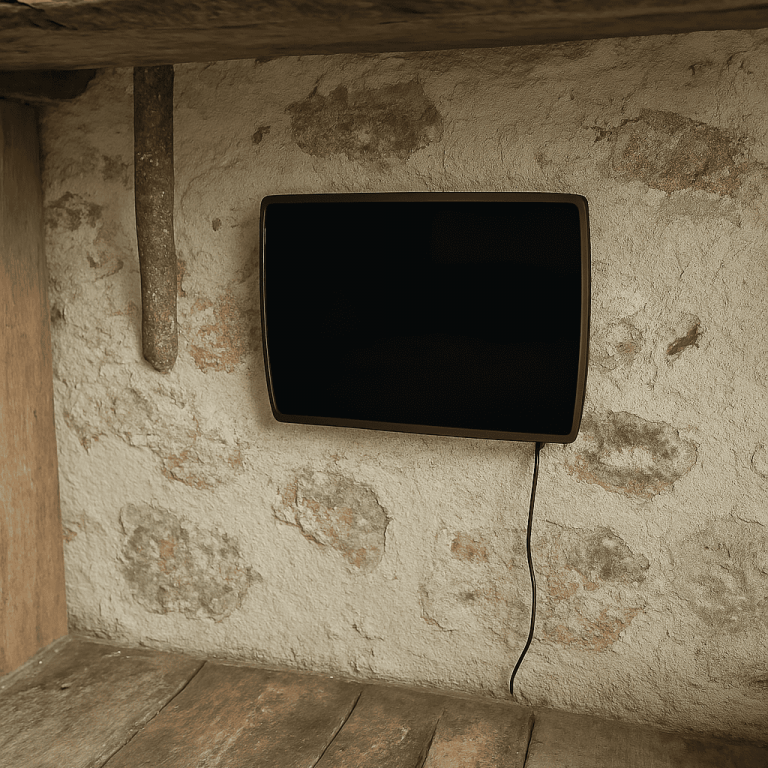
Read the guideCompare drainage, injection, physical barriers, finishes and ATE/ATG devices by function. The cause, substrate, building conditions and monitoring guide the choice.
Read the guideUnderstand capillary moisture, distinguish ingress and condensation and compare ATE/ATG using the building plan and instructions after identifying the cause.
Read the guide