Damp and health: understand risks without jumping to a diagnosis
Damp or mouldy buildings are associated with respiratory risks. This does not mean every symptom is caused by the home: a health professional assesses symptoms, while a building investigation identifies water sources.
What public-health sources establish
Health authorities describe links between dampness, mould and respiratory problems, including asthma and some allergies. The WHO guidance addresses these environmental risks. Such evidence does not predict one occupant’s response from a photograph or a single humidity reading.
Consider vulnerable occupants
Children and people with asthma, chronic respiratory illness or suppressed immunity may need particular precautions. Seek medical advice for persistent or worsening symptoms and describe the home context. An equipment seller does not confirm a building-related illness.
Record information without premature conclusions
Photograph affected areas and note smells, dates, rain, condensation and room use. White deposits are not automatically mould; a dark mark does not identify its species. A hygrometer measures air. No single reading establishes an individual health danger or illness.
Investigate the building
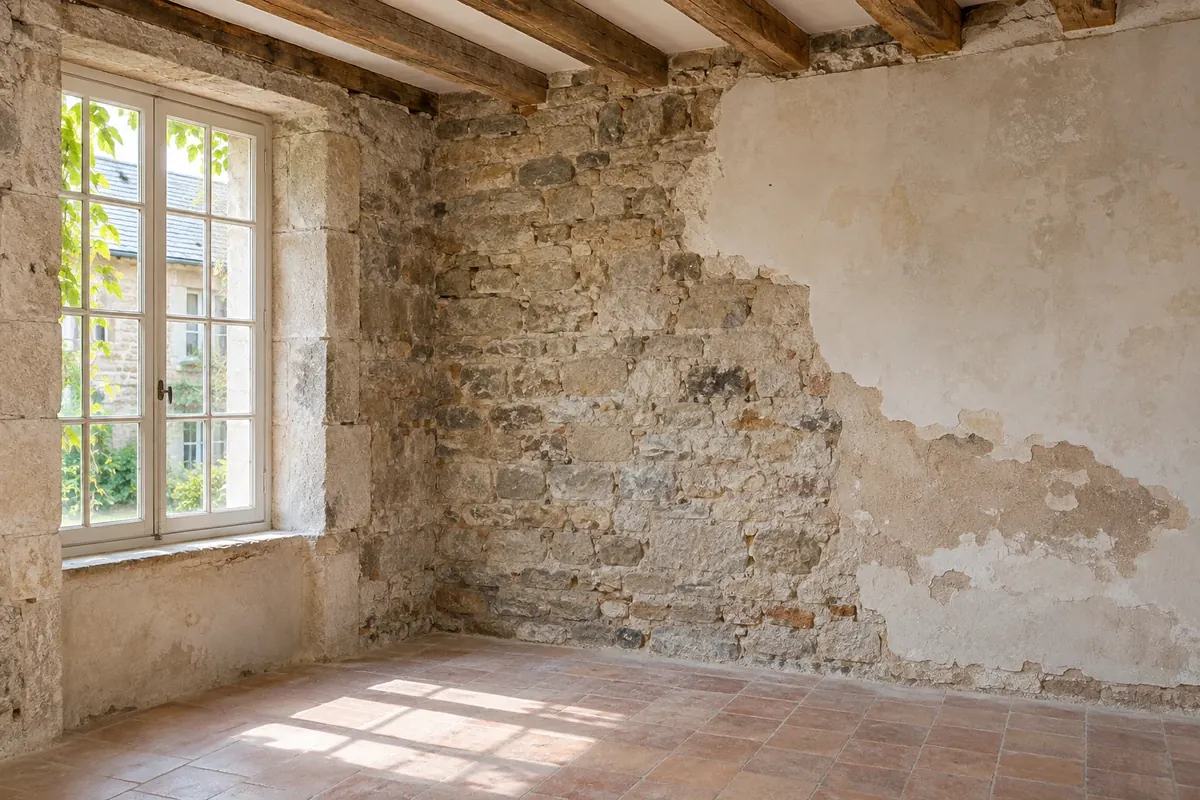
Consider ventilation, cold surfaces, leaks, water ingress and ground contact. Several mechanisms may coexist. Have relevant checks and necessary repairs specified. Neither smell nor mould growth establishes rising damp.
When should you visit the Humidistop shop?
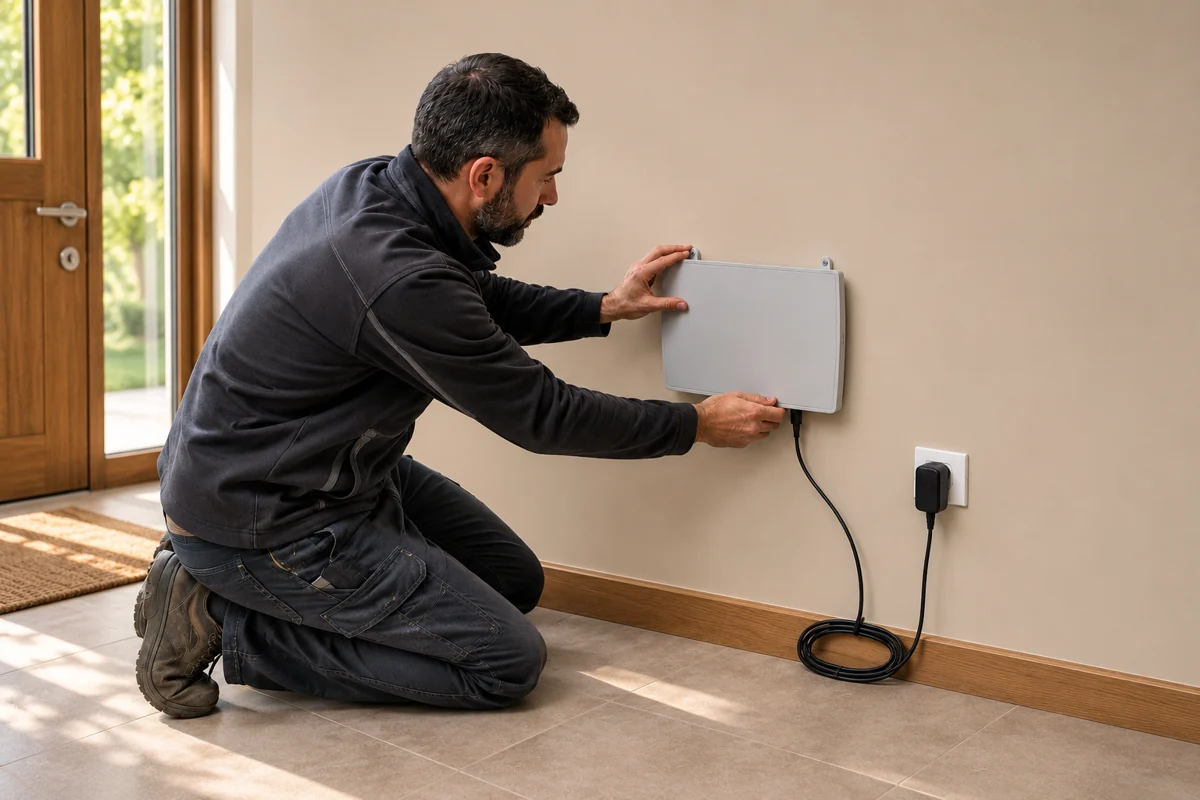
If rising damp is identified, compare mains-powered ATE and power-free ATG, their stated coverage and instructions. They do not replace ventilation, appropriate mould remediation or healthcare. Read our product pages and conditions before ordering; selecting a model does not establish a medical benefit.
Compare ATE and ATG devices · Explore models in our shop
Confirmed rising damp? Compare our Humidistop devices