Damp on an internal wall: rising damp and choosing an ATE or ATG device
Locate the wall within the property
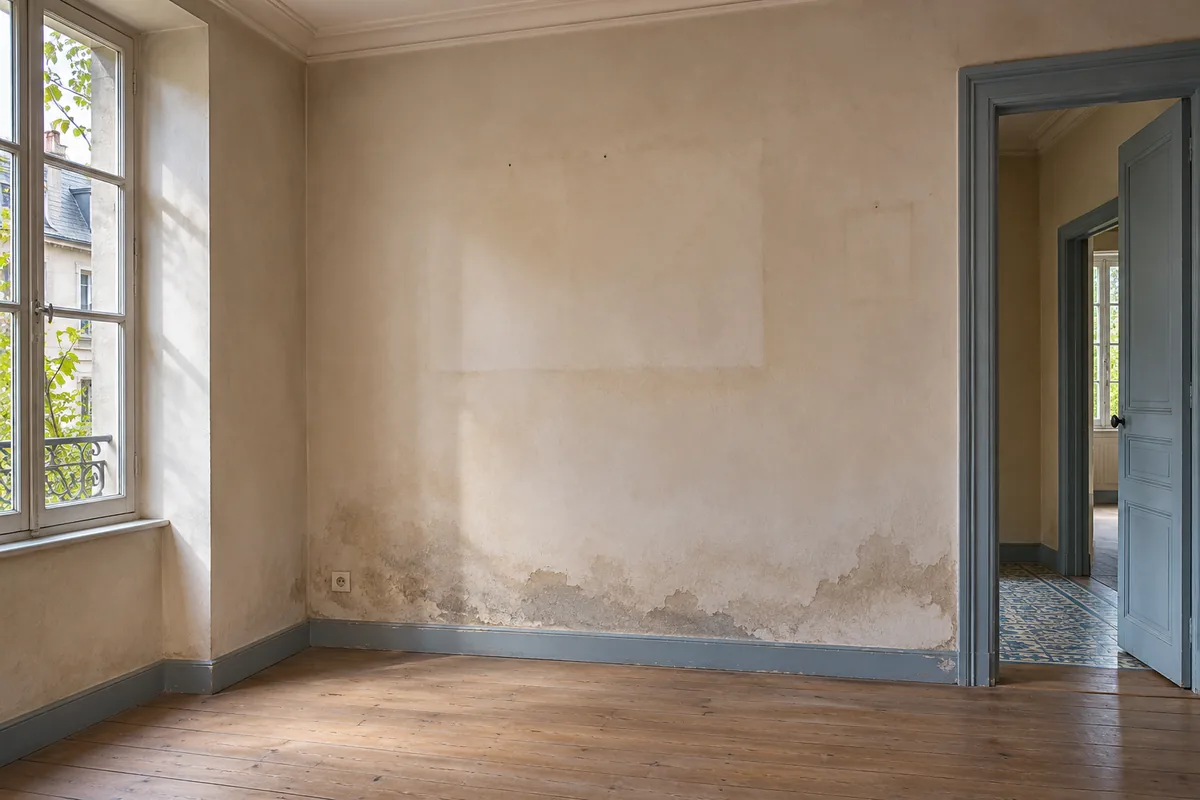
Damp on an internal wall deserves more than a product chosen from the appearance of the paint. Mark the wall or partition on a plan and identify adjoining rooms. Explain whether it is shared, near a bathroom or an older element incorporated into renovation work. Its position provides context, but does not establish the moisture source on its own.
Describe how the marks developed
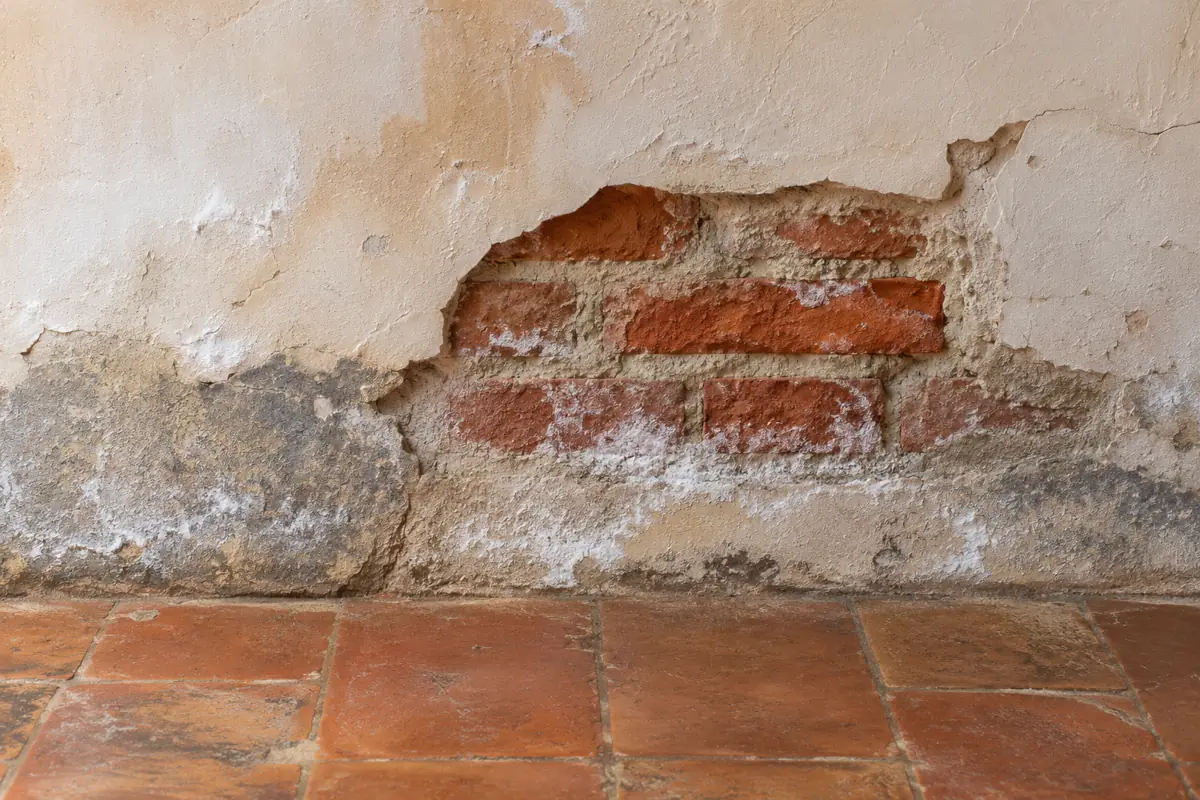
Record when they first appeared and whether they vary with the use of the building. Note salts, detached finishes and musty smells. Photograph both sides where access is possible and appropriate. A low stain may justify examining rising damp, but does not automatically rule out nearby services or another source of water. Distinguish observed facts from assumptions.
Include work and finishes
Keep dates for changes to flooring, skirting, plaster, paint or layout. A new finish can change the visible evidence without explaining moisture in the material. Avoid covering the area simply to hide it. Decorative repairs need to consider the substrate and cause, particularly where an older house combines several materials or periods of construction.
Separate assessment from product choice
ATE and ATG devices are presented for rising damp. They do not repair a pipe or provide a universal response to mould. ATE uses mains electricity; ATG operates without an electricity supply. Gather dimensions, building layout and installation requirements before comparing references. If the cause remains uncertain, clarifying that uncertainty comes before choosing equipment.
Practical advice for installation
The customer installs the chosen model using the supplied instructions. The manual and product information explain positioning and mounting, with advice available for questions about the device. Where a wall is shared, account for access and any permissions needed for work. Choosing a suitable location also means considering the actual layout, rather than relying only on the total floor area.
Allow time before decorating
Drying progresses at a rate that depends on the wall, its materials and the conditions in the property. Fresh paint does not remove moisture held within masonry. Read the rising damp information and the instructions for any finishing products before renovating the surface. The Humidité Conseil team can provide information about the ATE and ATG ranges.