White wall salts: compare treating the cause and repairing plaster
White salts on a wall may lead to apparently competing proposals: treat moisture or replace plaster. They may answer different questions. One concerns water and its path; the other concerns a finish and its behaviour with salts.
To compare a quotation, know what each item should achieve. Do not expect a device to restore friable plaster or paint to stop water ingress.
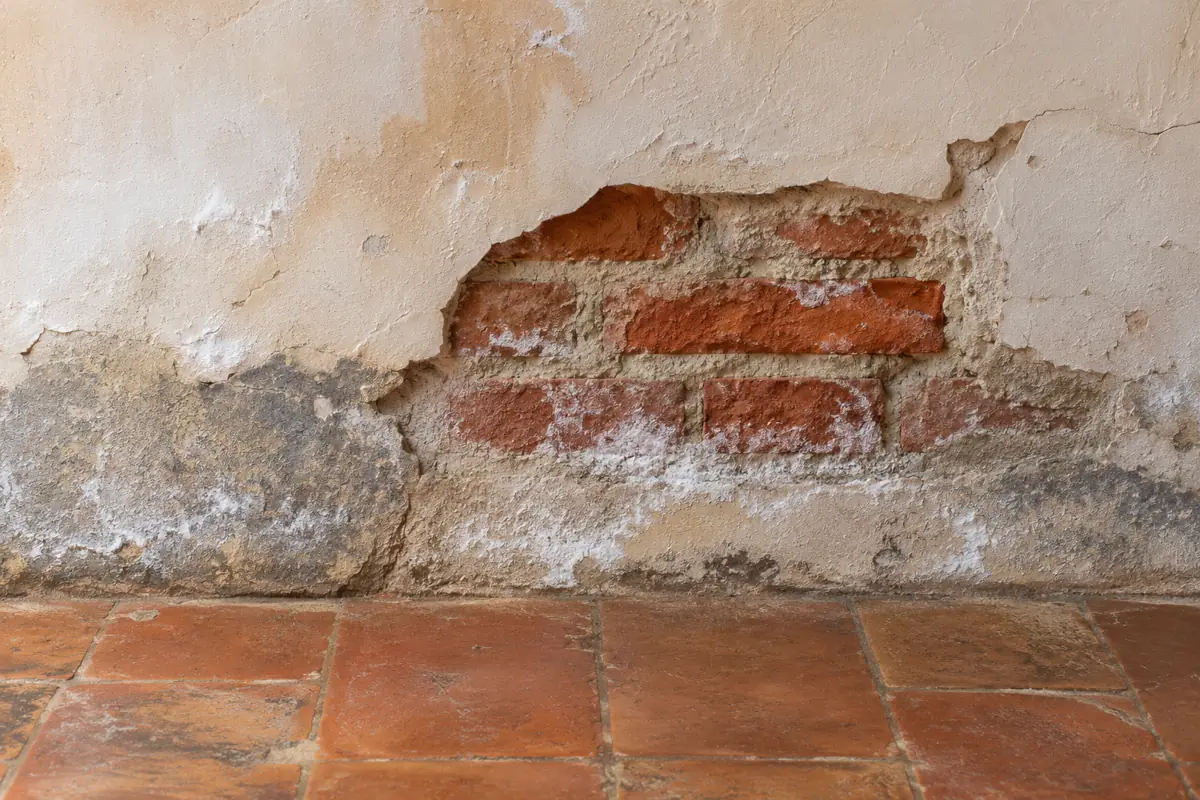
Identify what is being called saltpetre
The word commonly covers different white deposits. Appearance alone does not establish chemical composition or water origin. Salt transport and crystallisation can affect surfaces and material pores. Some salts absorb air moisture, so finishes can remain marked after liquid-water conditions change. Study deposits and an active water source separately.
First part: investigate the water cause
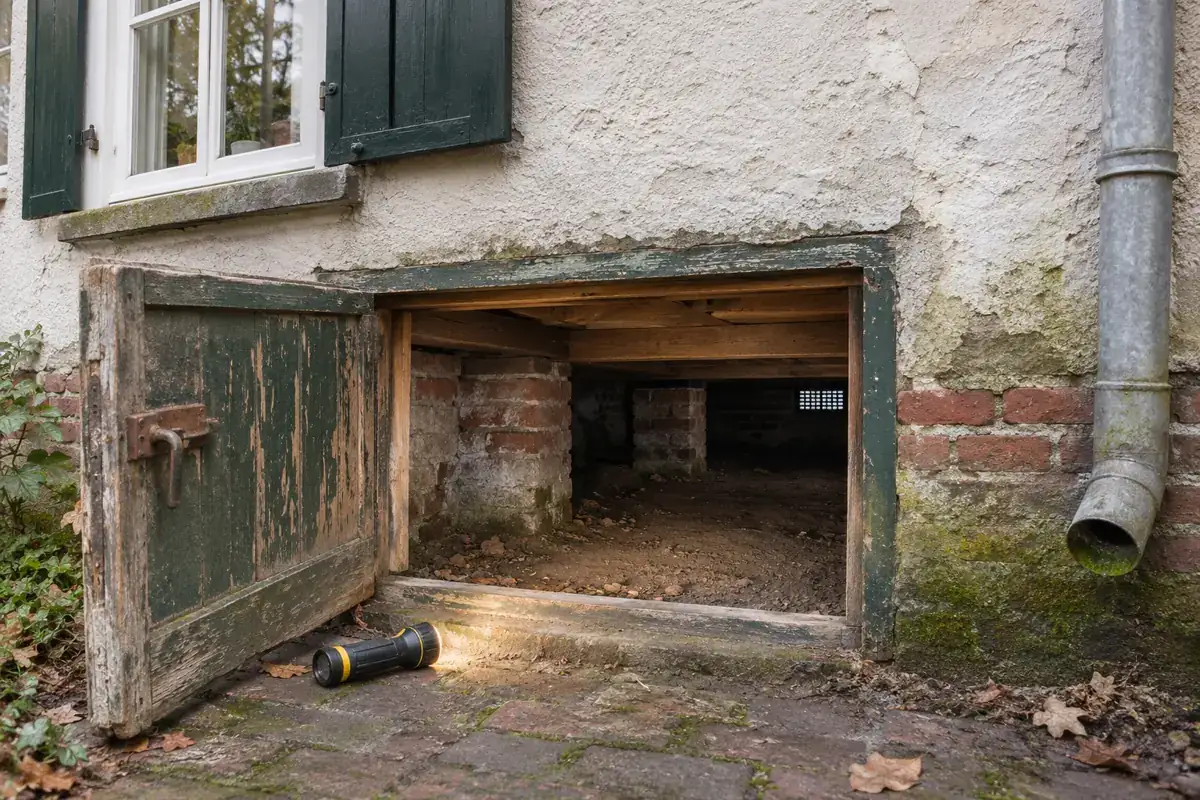
Damage location, ground contact, rain correlation and nearby services guide checks. Rising damp is possible, but lateral ingress, outside entry or a leak may contribute. Ask what confirms the proposed mechanism and what remains to exclude. Where several causes coexist, the proposal should match each intervention to its cause. Do not assume one action solves every mechanism.
Second part: masonry and measurements
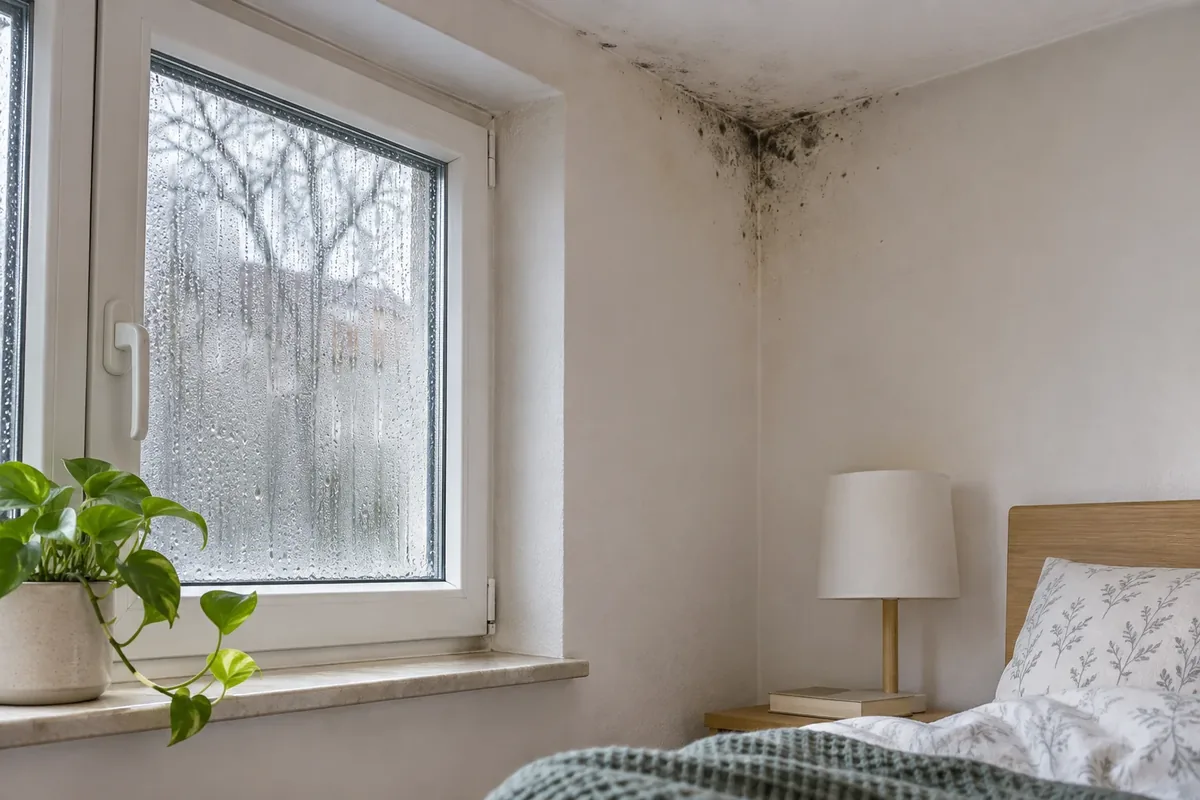
Some electrical moisture readings depend on salts and substrates. A high reading is not a universal percentage across brick, stone and plaster. The protocol must be suitable and explained. Air relative humidity is distinct: it describes room conditions, not direct wall water content. A professional should select and interpret the method appropriate to quantifying masonry moisture.
Third part: assess finishes
Detached plaster or peeling paint does not automatically regain cohesion after source treatment. Ask how substrate condition and salts will be addressed in the finish system. Materials and building conditions can require different choices. A system separated from masonry may be considered in some cases; do not choose it solely to conceal marks. Acceptance criteria, preparation and compatibility should be explicit.
Questions that make quotations comparable
Which cause is treated and what supports the diagnosis? Does the price include water-source repairs or only equipment? How are salts and old plaster assessed? What conditions must be met before new finishes? What checks are planned, and what conclusions will they support? A review or photograph does not replace documented monitoring.
Where do ATE and ATG fit?
Humidité Conseil offers ATE and ATG for walls affected by rising damp. They do not chemically remove salts or replace leak and ingress repairs. Suitability must match the confirmed mechanism. Compare plan, stated coverage and installation conditions. ATE requires power; ATG operates without electrical supply. Diameter is not floor area. If tests are cited, ask their subject: electrical conformity alone does not demonstrate drying of your masonry.
Monitor water and appearance separately
Keep baseline photographs, marked points and conditions. Later observations must be comparable. Record changed coatings, locations or instruments when interpreting differences. A clean surface does not certify the same condition throughout wall thickness. Residual salts or damaged materials may need separate work without proving that the water source remains active.
Frequently asked questions
Is new plaster a rising damp treatment?
Not automatically. Establish its exact function and how the water source is addressed.
Must finishes wait for a fixed period?
Base the decision on substrate condition and the chosen system, rather than one period for every building.
How should I prepare my file?
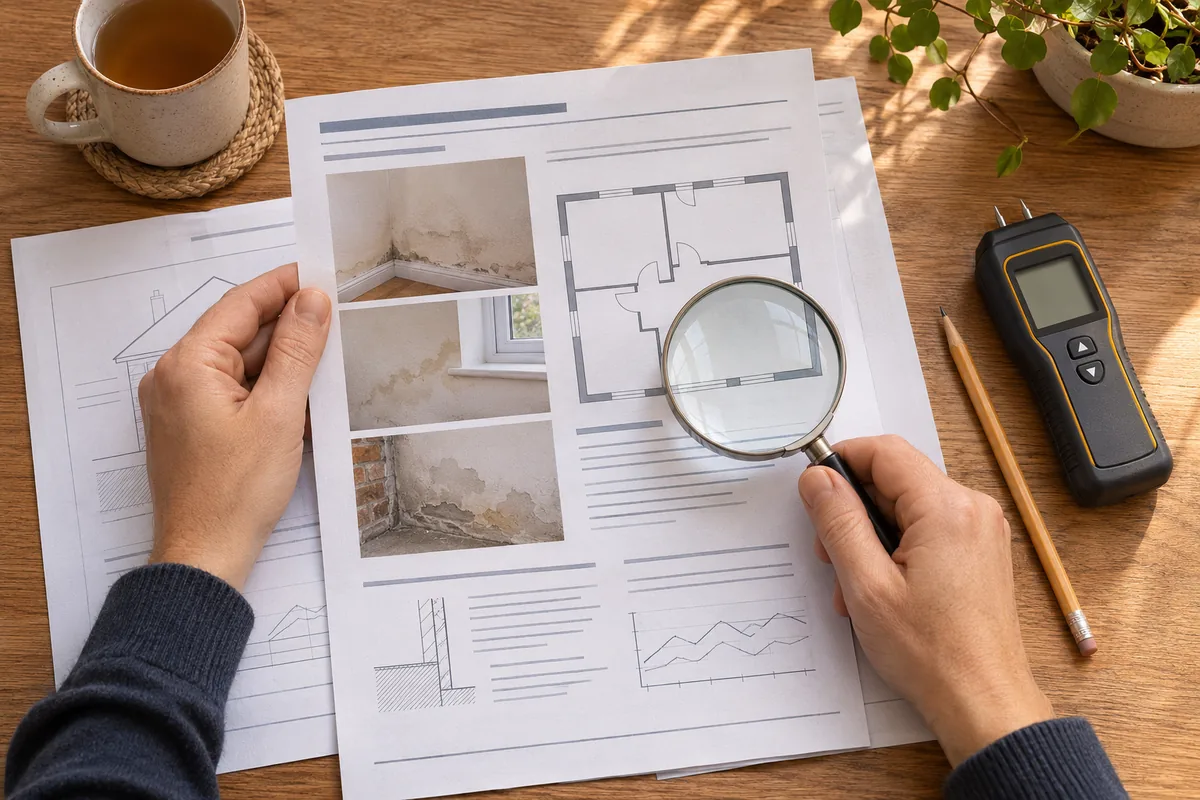
A plan, photographs, history and documented readings make comparison clearer. Use our cause and monitoring guides before choosing equipment.
Related guides
- Distinguish the causes of damp
- Compare ATE and ATG devices
- Plan documented wall monitoring
- Understand electrical moisture readings
Compare devices and order in our shop · Ask for product advice by email
Technical reference: Historic England, RICS and PCA — England, 2022
Buildwise — hygroscopic salts and finishes (Belgium; French)