Rising damp treatment: plan wall monitoring from the start
A rising damp treatment system belongs within a project that needs monitoring. With Humidité Conseil, prepare your device selection and the records needed to document the situation. This preparation starts before installation, when you describe the affected walls.
Keep a useful baseline record
Photograph the same areas with a sufficiently wide view and record the date. Identify existing finishes, earlier work and any potential water sources. If measurements are taken, retain the method and their locations. Comparable observations are more useful than a succession of randomly taken photographs. They help you explain the situation and prepare technical discussions.
Keep the device and building records together
File the installed model, its instructions, commissioning date and position. Record significant changes, such as a repaired leak or altered ventilation. This lets you explain changes in the property accurately. A device for rising damp must remain associated with its intended use, while other moisture causes receive separate attention. This approach also helps with planning finishes.
Explore ATE LC30 PULSE too
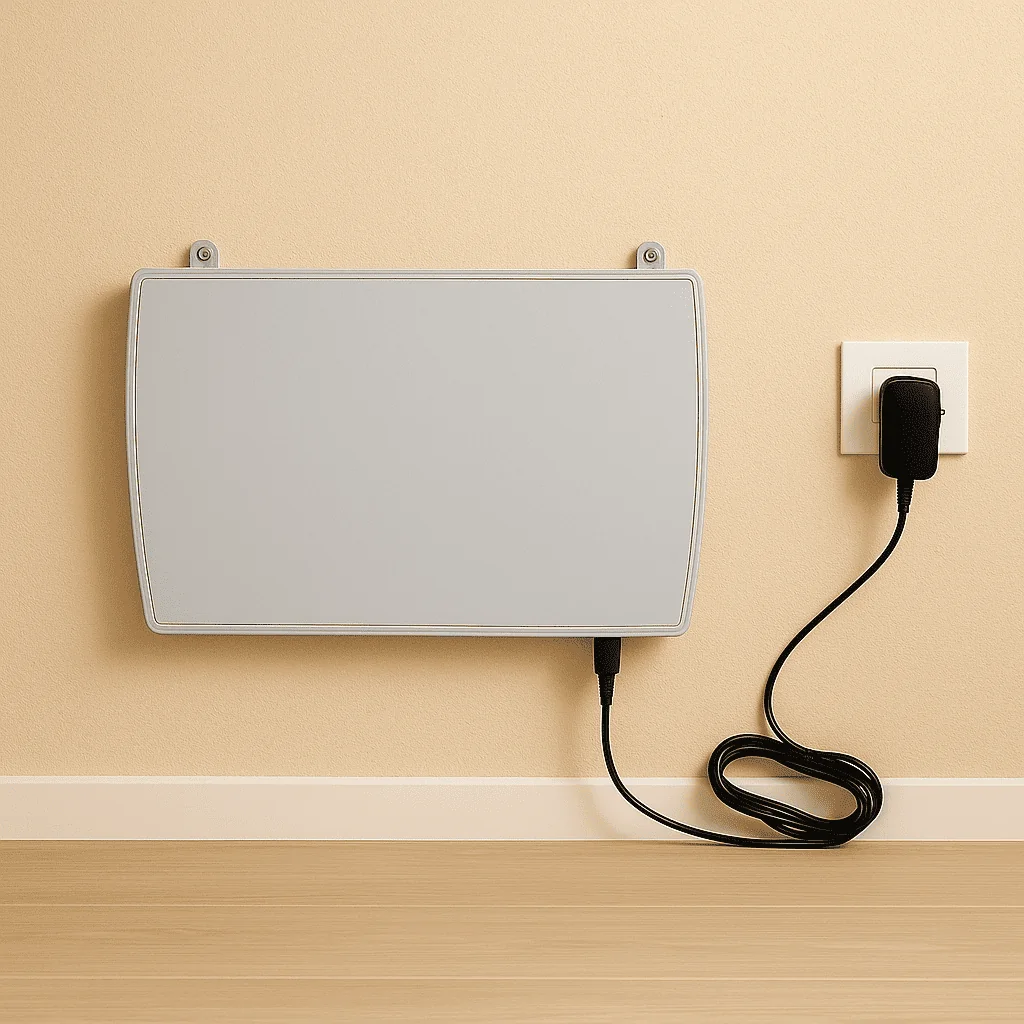
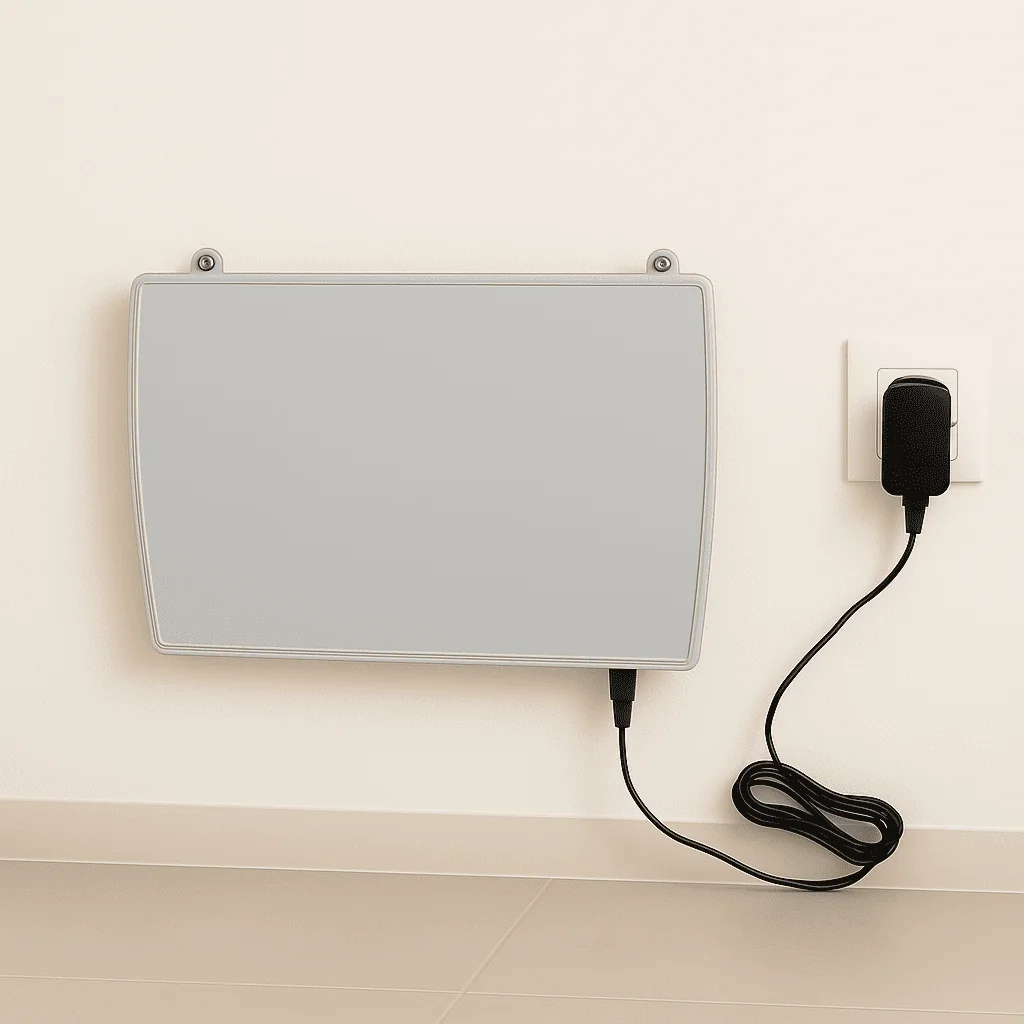
Comparing finishes within the range? Explore ATE LC30 PULSE, offered with a stated coverage diameter of 30 metres. Read its product page to examine its appearance, specifications and supplied documents. Appearance should be considered alongside installation requirements and suitability for the building. Compare the models and base your choice on a clearly identified product page.
Explore our devices and prepare your choice
Explore the devices presented by Humidité Conseil and prepare a documented project, from selection to monitoring.
Check the intended use before installing
The device being considered must be appropriate for rising damp. Selection, installation and monitoring should be prepared according to the model instructions and the building layout.
Choose and order my device · Discover ATE LC30 PULSE · Ask for product advice
Watch the ATE installation video
Related guides
Plan wall drying monitoring · Understand wall moisture readings
Technical reference for investigating moisture in traditional buildings: Historic England, RICS and PCA — England, 2022