Wall moisture readings: understanding the displayed percentage on a damp wall
Percentages may describe different things
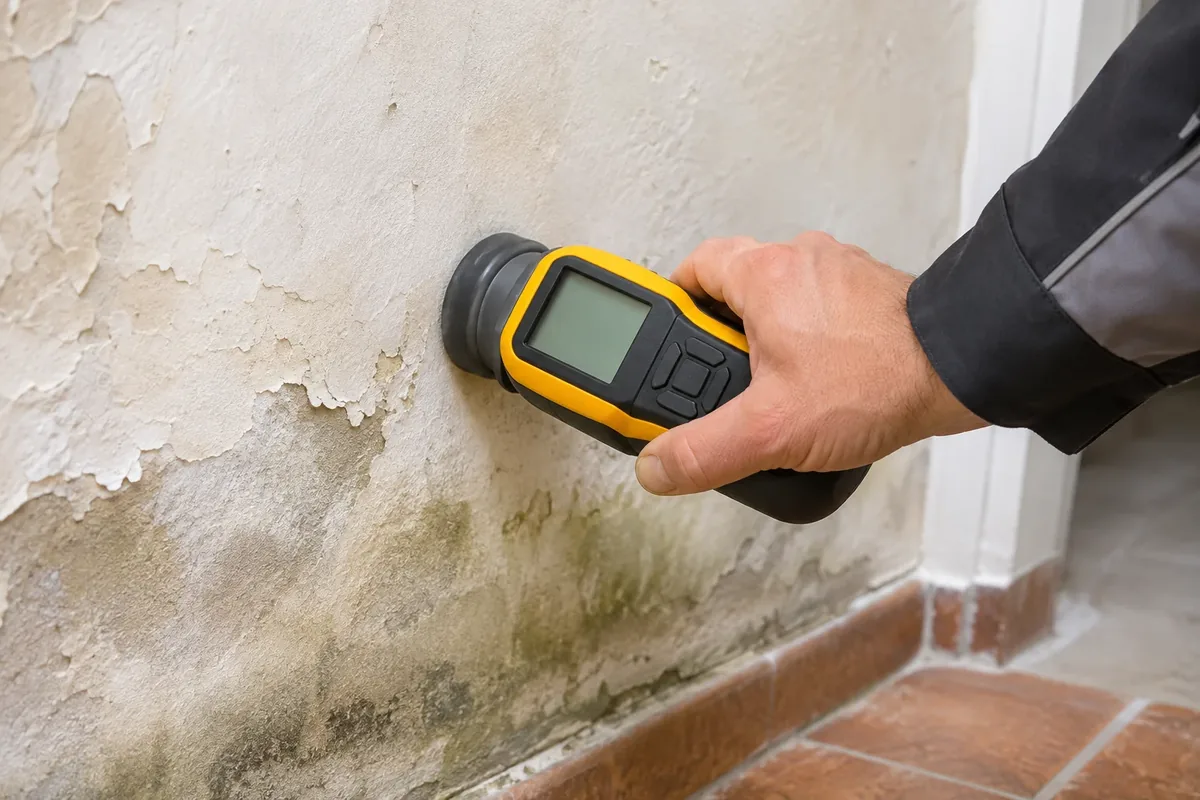
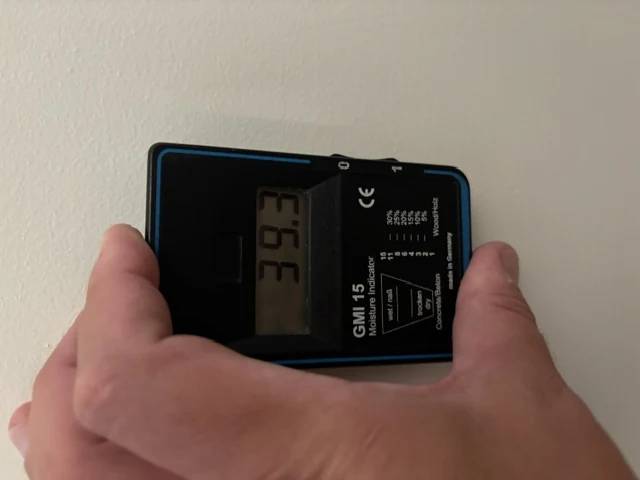
Wall moisture readings are different from measurements of relative humidity in the air. A room hygrometer describes the air. An instrument applied to a wall gives information that depends on its method and settings. Figures from different instruments should not automatically be treated as the same quantity. Keep the instrument name, model and scale with your notes.
Identify the material and location
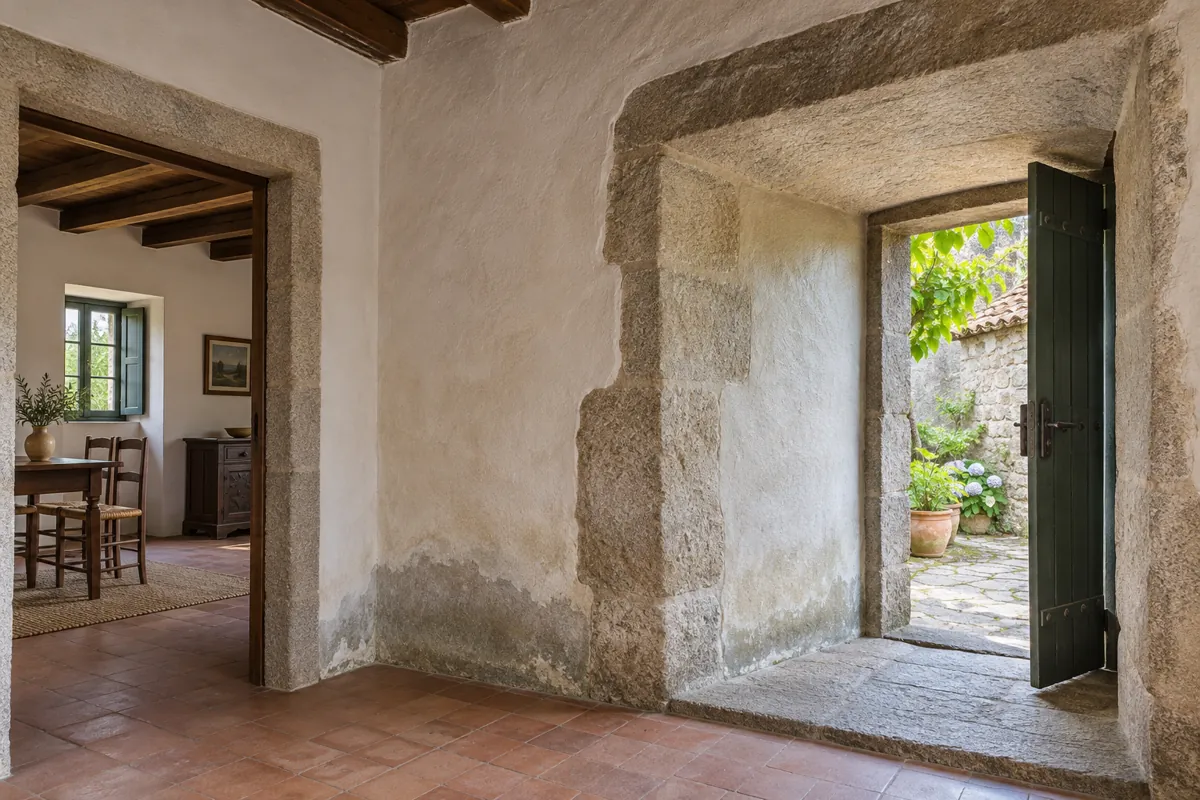
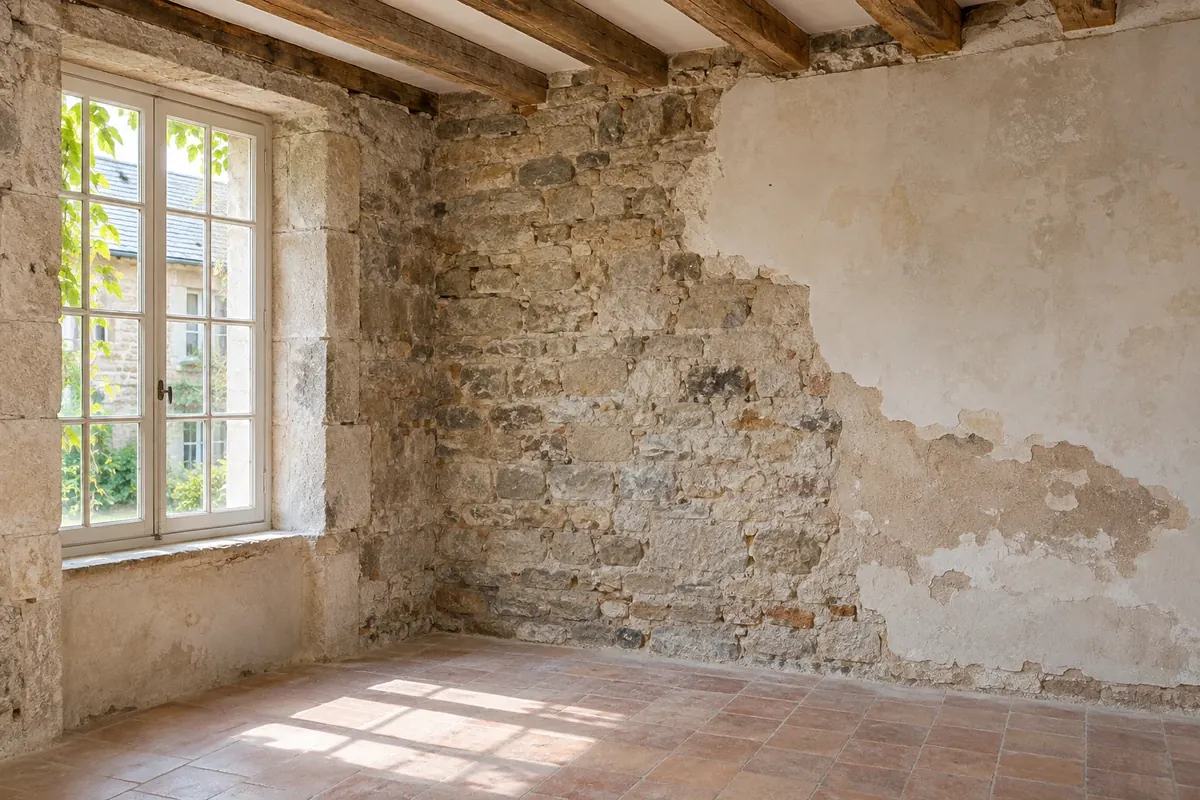
Stone, brick, mortar, plaster and coatings are not a single uniform material. Mark the point, height and finish. The composition of the surface or substrate can influence a reading. An isolated number does not establish rising damp or explain every cause of a stain. Separate the observation from the conclusion, and record where further checks are still needed.
Optional comparisons for the owner
If you choose to compare readings yourself, follow the instrument instructions and use the same locations and method. Heating, ventilation and recent decorating can change the context. These personal observations may help you understand the wall before planning finishes. A reading should always be interpreted with the material and instrument in mind, rather than treated as a universal percentage for every wall.
Keep air and masonry separate
A dehumidifier may address an indoor air condition without demonstrating that the wall has dried through its thickness. Likewise, an improved-looking surface is not a complete moisture assessment. Salts, flaking paint and low marks may justify wider investigation. More than one source of moisture can affect the same property, so do not force every observation into a single explanation.
Installing an ATE or ATG device
ATE and ATG devices are intended for walls affected by rising damp. ATE requires mains electricity; ATG operates without an electricity supply. Coverage and positioning depend on the selected reference and the building layout. Customers install their equipment according to its manual, supported by the product information and advice supplied by Humidité Conseil. The instructions explain how to prepare the location and mounting.
Prepare useful questions
The rising damp information provides context for an enquiry. When comparing wall drying devices, include a plan and building history as well as your readings. A number on a display should not become a guaranteed outcome or a universal drying deadline.