Wall drying devices: how to choose for damp walls
Wall drying devices: how to choose for damp walls
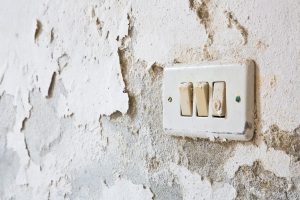
Illustrative image.
Start with the wall, not the device
Choosing a wall drying device starts with identifying where the moisture comes from. A wall may receive groundwater, rainwater or water from a leaking pipe. Condensation can also form on its surface. These situations require different responses. A device marketed for rising damp does not repair a leak or replace suitable ventilation.
Prepare information that helps with the choice
Record the affected rooms, the height of the marks, changes after rain and recent building work. Take dated photographs of identifiable areas and draw a simple plan with dimensions. These details help prepare a discussion, but photographs alone do not establish a definitive diagnosis. A single reading from a moisture meter does not identify the cause by itself.
Compare the models and their requirements
ATE devices are mains powered; ATG devices are presented as geomagnetic devices without an electrical supply. Check the exact model, its manual, positioning requirements and stated coverage diameter. A diameter is not a floor area or a guarantee of results in every building. Before ordering, check the current product price, availability, delivery destination and the applicable warranty and return terms. Do not assume that one country’s commercial conditions apply worldwide.