Damp walls in older houses: choosing an appropriate approach
Damp walls in older houses: choosing an appropriate approach
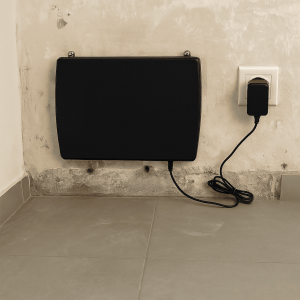
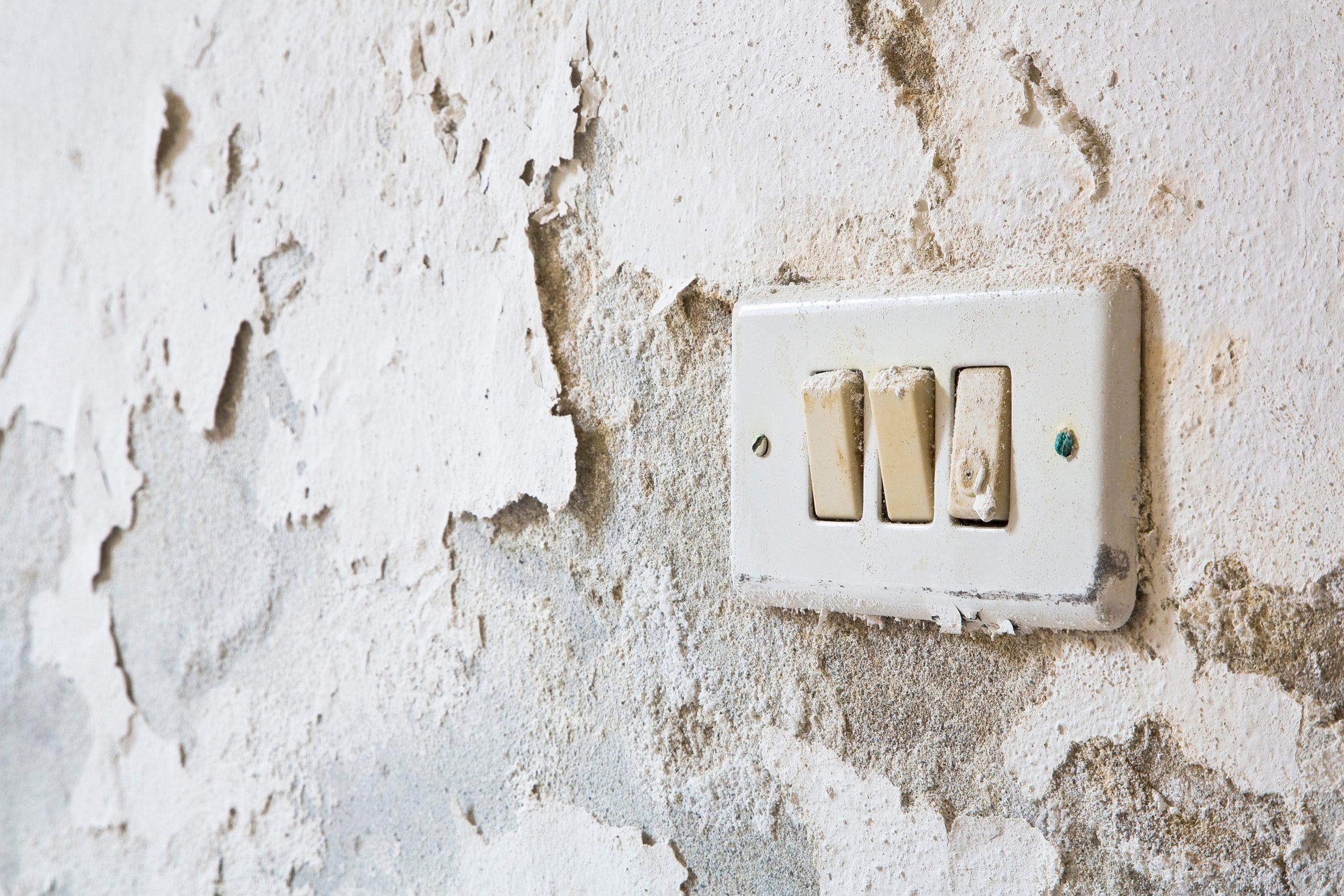
Illustrative image.
Consider the wall’s history
Older houses may have undergone several changes to finishes, floors and surrounding ground. Gather what is known about renders, paints, recent renovations and outside work. A mark that appeared after refurbishment should be considered in that sequence of events.
Investigate water sources
Look at rainfall, services and below-ground areas without assuming that every low-level mark is rising damp. Different mechanisms can coexist. For a sensitive or heritage building, establish whether proposed interventions suit the materials and any applicable local requirements before making changes.
Connect product choice with repair planning
If a device is proposed for rising damp, compare its intended use and manual with the building. Choosing a box does not resolve every issue involving salts or damaged plaster. Agree suitable follow-up and finishing stages with the relevant people. Covering a symptom is not the same as identifying its cause.