Anti-damp devices: are they suitable for your home?
Could an anti-damp device suit your home? The answer depends first on where the wall’s water comes from. This guide distinguishes equipment uses and helps prepare a choice before comparing ATE and ATG models.
Which equipment does the name describe?
Anti-damp device can mean different products. A refillable absorber retains some moisture from the air. An electric dehumidifier extracts water from room air. A wall drying device such as ATE or ATG is offered for rising damp in masonry. Do not confuse these uses. Look for the exact model, technology, installation conditions and instructions. An enclosure describes a physical form; it is not proof of effectiveness.
Identify the moisture before choosing
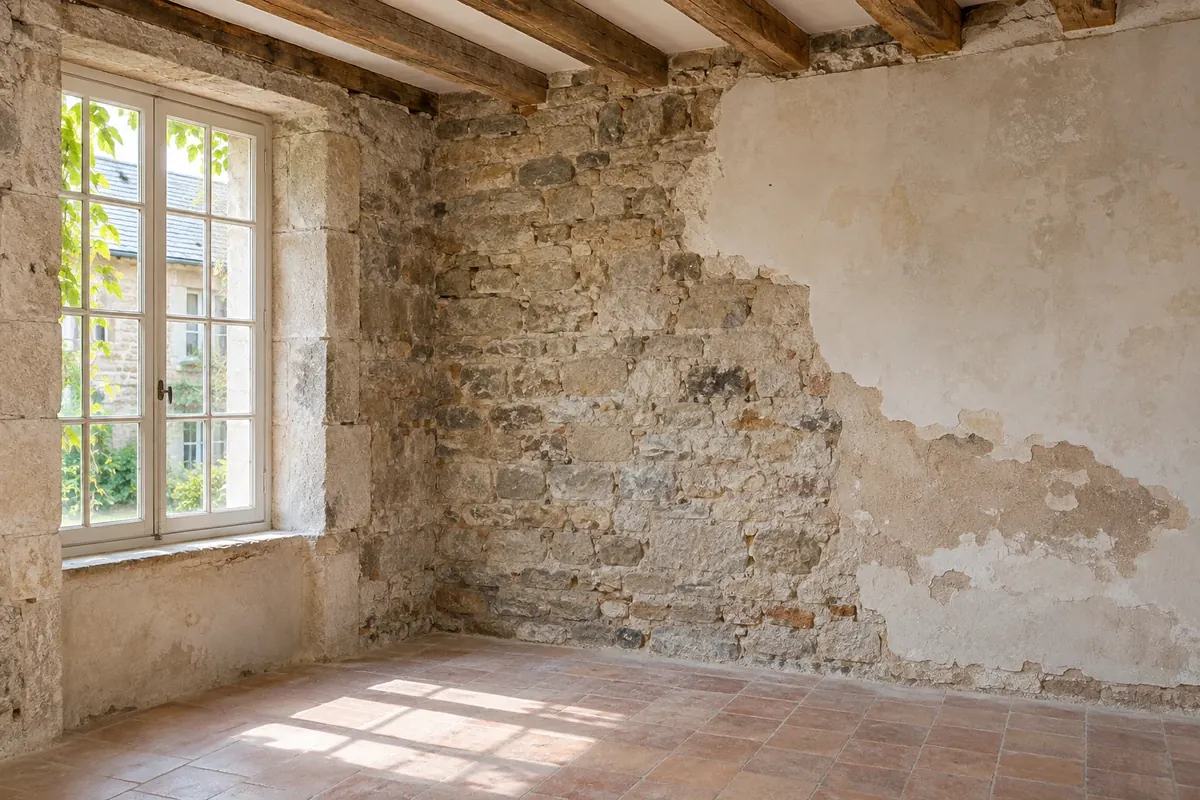
Low marks can suggest rising damp, but a photograph or salt deposit does not establish the cause. Building observations and, when needed, investigation distinguish situations. A leak needs the affected pipework repaired. Ingress needs its entry identified in the façade, roof or buried structure. Condensation calls for checks of ventilation, heating and cold surfaces. Rising damp concerns water moving from the ground through porous materials. Several causes can coexist in a home.
ATE or ATG: compare conditions of use
Electromagnetic ATE devices use mains power. Geomagnetic ATG devices operate without electrical supply. Both ranges are offered for rising damp and do not replace repairs for other water sources. LC15 models have a stated 15-metre diameter; LC30 models, 30 metres. ATE LC30 PULSE also states 30 metres and ATE MAX 60 metres. Relate these to the plan and instructions: diameter is neither radius nor floor area. An available socket alone does not validate installation; model positioning and precautions matter.
Prepare installation and wall monitoring
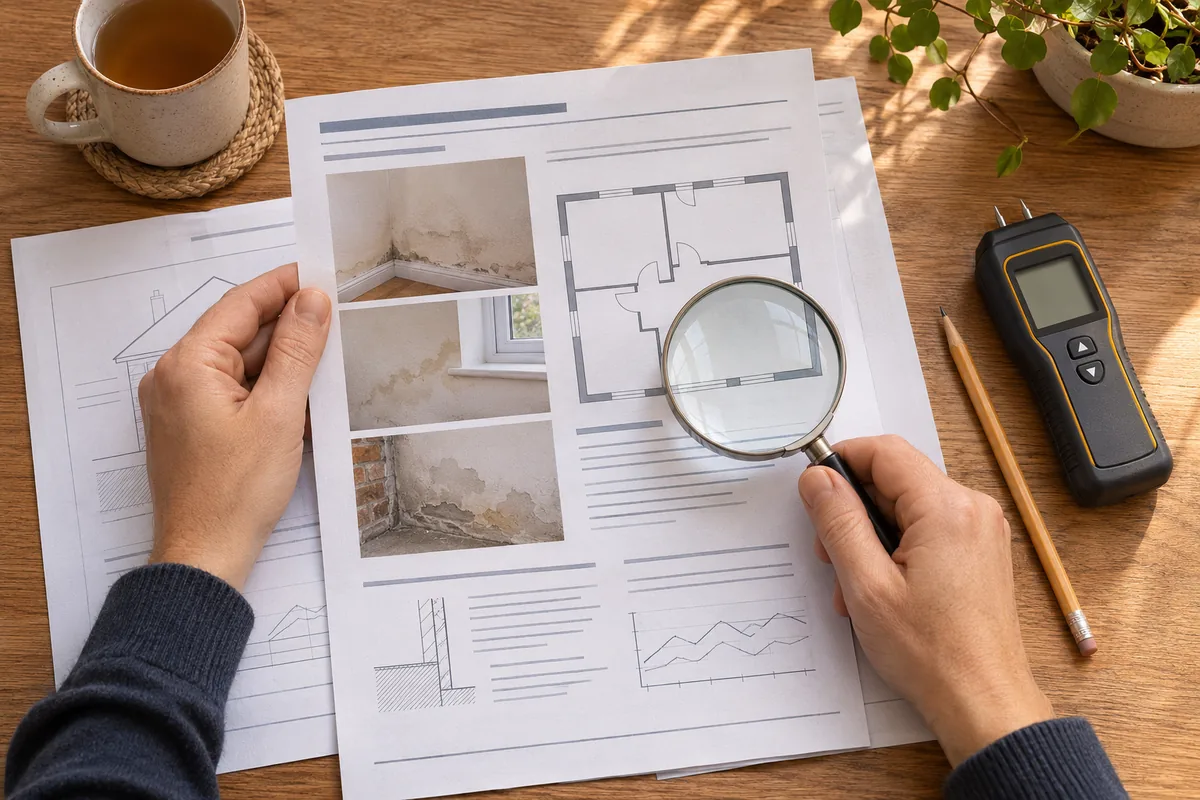
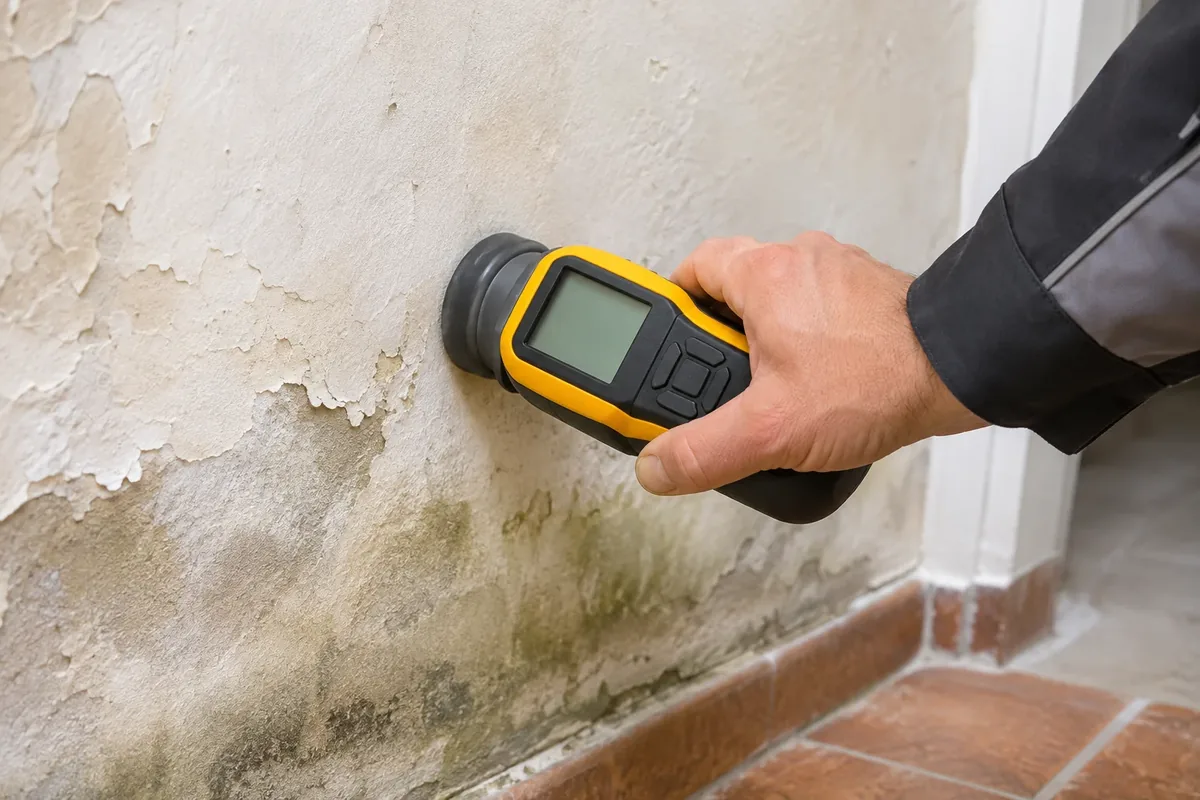
Mark affected areas and preserve a baseline. Photograph the same places and use measurements appropriate to materials. Surface meter readings can be influenced by salts; do not read every value as absolute water content. Follow the selected device instructions and maintain appropriate ventilation. Masonry evolution depends on thickness, finishes and building conditions. Drying time cannot be deduced from the model alone.
Questions before buying
Ask whether the use matches the identified cause, where the device will be positioned and which documents support stated characteristics. Check commercial warranty terms and after-sales contact. A warranty on equipment is not a guarantee that every wall will dry.
Frequently asked questions
Does the device remove mould? It does not replace appropriate surface cleaning or finding the cause. Condensation-related mould calls for checks of ventilation and thermal conditions. Can you repaint immediately? Renovation depends on the substrate’s actual condition and salts; have compatibility checked rather than relying on a fixed date. Is a power-free device suitable everywhere? Lack of electrical supply does not remove the model instructions or building suitability requirements.
Prepare your comparison
Ask Humidité Conseil for product advice after identifying the problem. Compare the specifications, documents and models in our shop and use our complementary guides to prepare installation.
Compare and order our devices · Explore ATE LC30 · Ask for product advice
Watch the ATE installation video
Historic England, RICS, PCA — investigating moisture, England, 2022