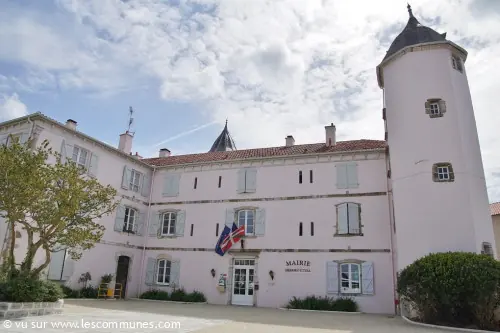
Bardos town hall: measurements before and after the ATG treatment
Preserving an old town hall also preserves a place where residents are welcomed. At Bardos in France, the rising damp treatment has a documented record: samples at installation followed by checks in four building areas.
An installation followed over time
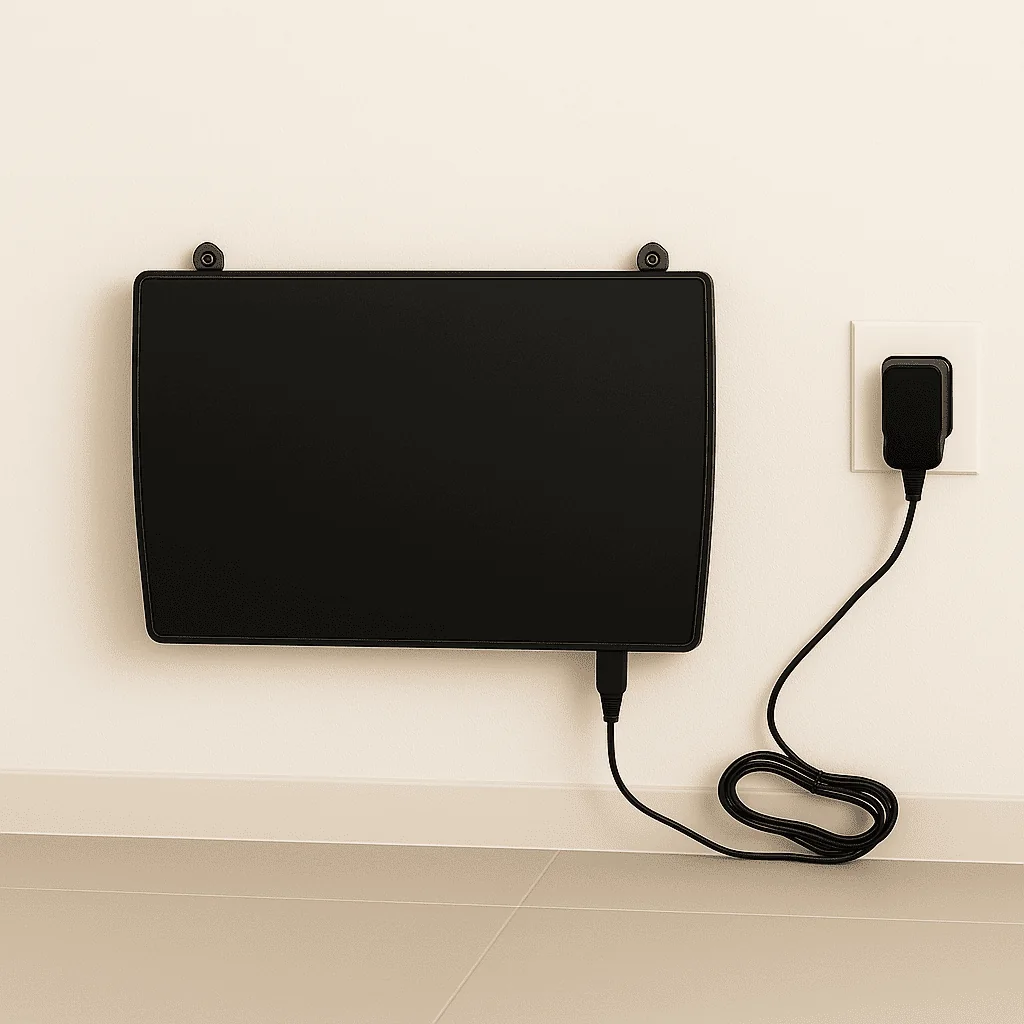
The installation report dates the intervention to 7 February 2013. The geomagnetic installation, presented here as ATG, has a documented coverage diameter of 40 metres. The check took place on 18 November 2014; the report states that testing was conducted in the mayor’s presence.
Recorded before-and-after values
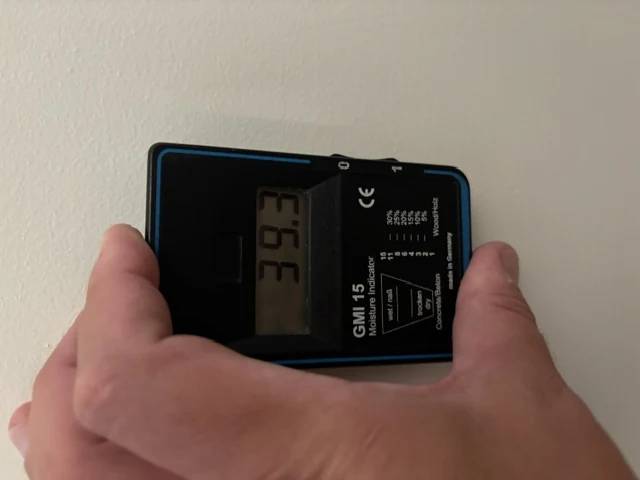
The four values decrease between visits, forming the main numerical evidence in the file. Some sampling heights and depths differ. Results are therefore reported point by point, without turning them into a whole-building drying percentage.
| Area | 7 February 2013 | 18 November 2014 |
|---|---|---|
| Passageway | 6.6 | 0.2 |
| Secretariat | 6.3 | 3.0 |
| Main room | 7.0 | 1.5 |
| Council chamber | 15.2 | 0.3 |
Values in g/100 as recorded in the calcium carbide check report. Some sampling heights and depths differ.
A service also documented by a certificate
The works certificate describes treatment of rising damp through a geomagnetic process. Quality of execution, adherence to deadlines and site upkeep are rated “Très bien” (“Very good”). The project combines two complementary elements: a service identified by a certificate and changes tracked through measurements. For public heritage managers, this continuity between installation and checking preserves a concrete record of the intervention.
Related guides
Prepare installation using the instructions · Compare ATE and ATG
If rising damp is confirmed, compare our device specifications and documents before choosing.