Wall damp: compare solutions by the job they do
The right response depends on the cause: ventilation for air renewal, repairs for leaks or ingress, and suitable treatment where rising damp is identified. Comparing prices alone across techniques with different purposes can lead to the wrong choice.
Example and method
Injection, physical barriers, ground-water management and devices are not interchangeable responses. Specify substrate, objective and constraints for each proposal. Drainage needs appropriate assessment; it is not an automatic prescription for every low stain.
Rising damp and ground contact
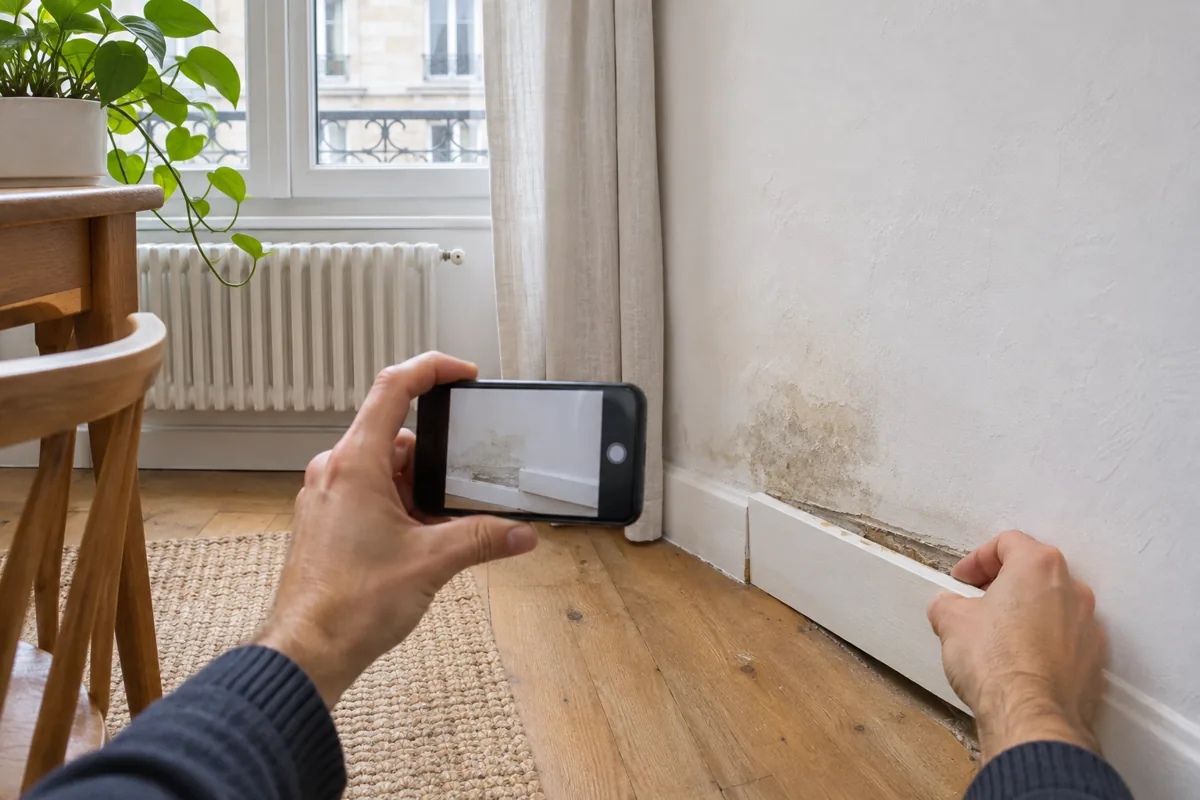
Water can move through porous materials from a damp zone connected to the ground. Check levels, any protection, buried parts and ground alterations. Building age does not establish the mechanism. Salts and damage height are investigation clues, not isolated proof.
Condensation and cold surfaces
Condensation depends on water vapour and surface temperature. Consider use, heating, air renewal and thermal bridges together. An insulated home is not automatically damp; examine actual operation.
A hygrometer describes air, not direct wall water content. Action may require checks of ventilation and thermal conditions. A rising damp device does not replace that assessment.
Ingress and leaks
Façades, roofs, terraces, connections and buried walls may need different investigations. A change after rain is useful evidence. Marks near pipes justify checking without proving a leak. Where a leak or entry is identified, repair its source.
Lateral water from the ground is not automatically rising damp. Equipment intended for capillarity does not repair waterproofing defects or pipes.
Finishes and salts: do not hide the evidence
Low-permeability coatings can change evaporation and visible signs without automatically identifying water origin. Some salts absorb air moisture and affect finishes. Do not treat every white deposit as a single cause.
New paint or linings should not merely conceal damage. Before removal or refinishing, check substrate, cohesion, salts and system function. Do not remove water protection as a rule, especially in buried zones or wet rooms.
Compare devices when the intended use fits
Humidité Conseil offers Humidistop ATE and ATG for identified rising damp. ATE uses mains power; ATG operates without electrical supply. They are not universal air dehumidifiers.
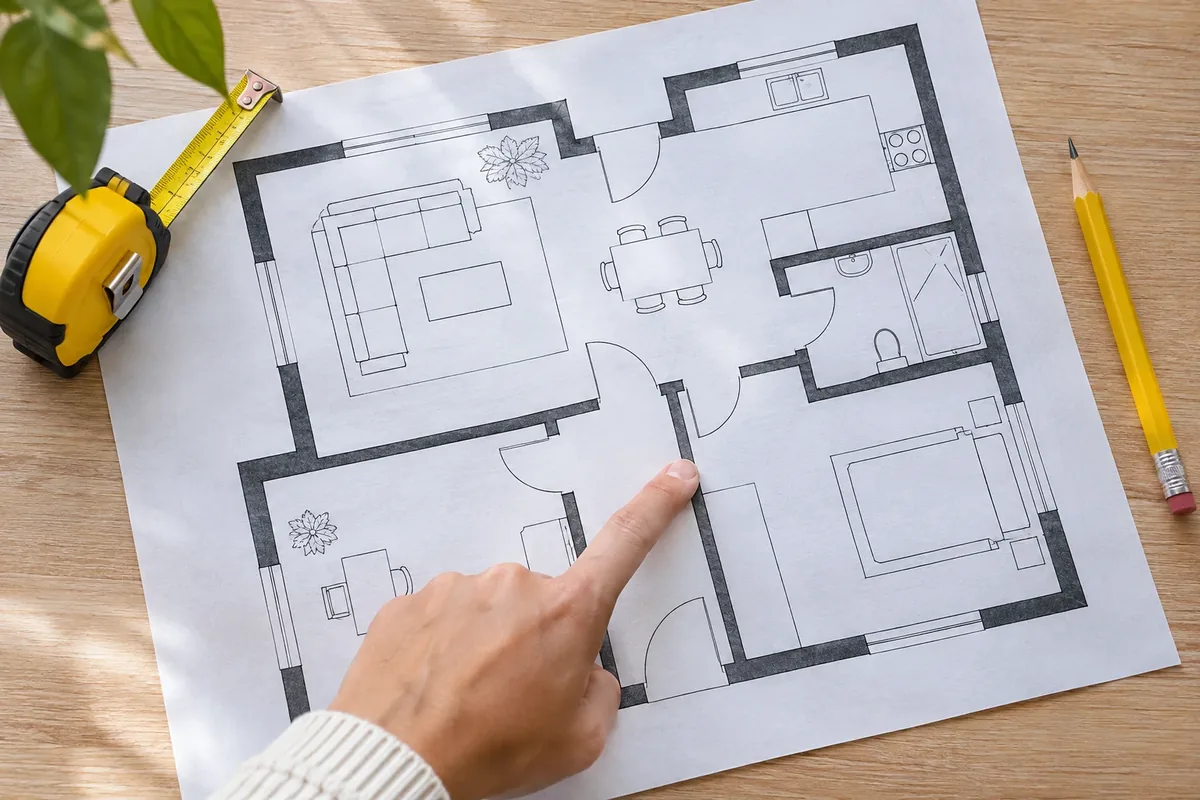
Prepare a dimensioned plan with affected walls, extensions and levels. Compare stated diameter, exact model, substrate and instructions. Diameter is neither radius nor area; a larger house does not automatically mean a more powerful device. Position and fixings follow the model documentation.
Monitor and prepare finishes
Keep baseline records, repairs and comparable checks. Electrical meters can be affected by materials and salts; readings are not universal percentages. A drier surface does not establish the whole thickness’s condition. Timing depends on conditions and the finish system, not a fixed period.
Read our cause guide, ATE/ATG comparison and monitoring information. If the model matches the confirmed cause, compare devices and order from our shop, or ask for product advice.
Guides for the next steps
Distinguish causes · Compare devices · Monitor wall drying · View devices in our shop
Confirmed rising damp? Compare our Humidistop devices
Historic England, RICS and PCA — traditional buildings, England, 2022