Wall drying unit: checks before choosing equipment
Choosing a wall drying unit means looking beyond its commercial name. Understand the intended use, stated specifications and how the wall’s evolution will be checked. These are the points to examine before deciding.
Clarify what the name means
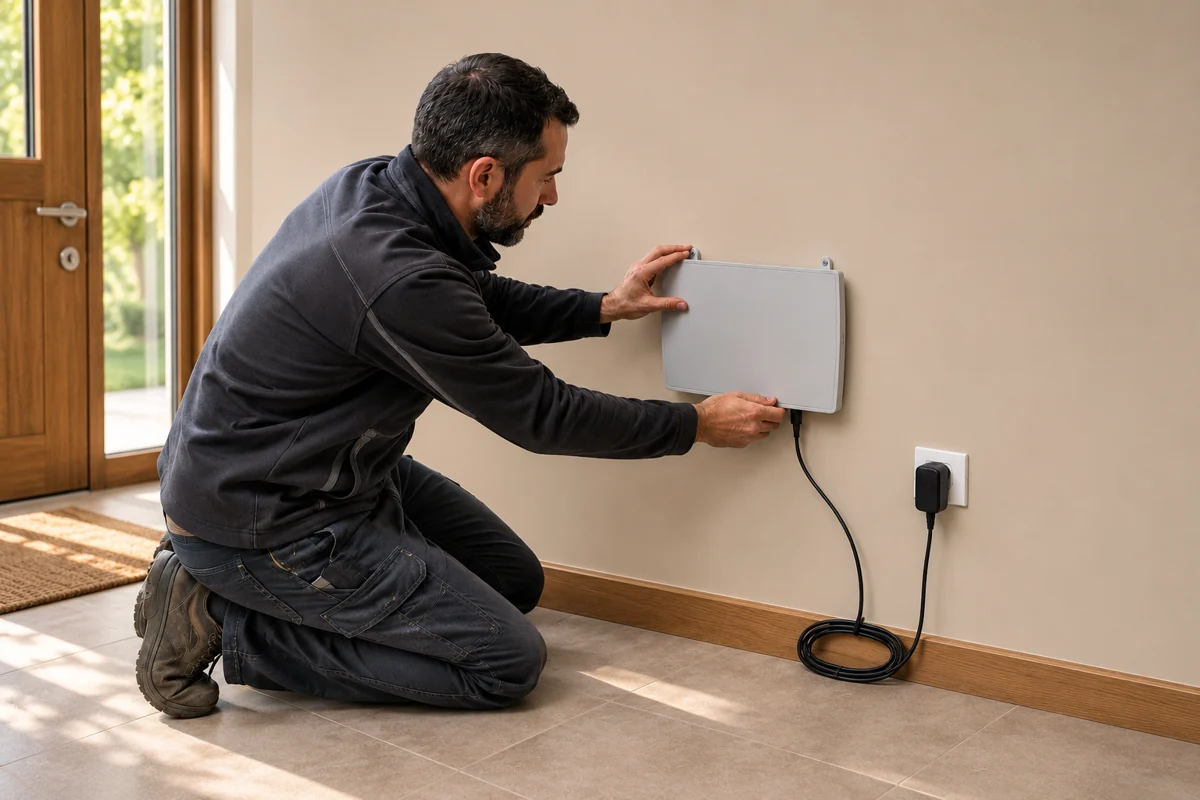
Central unit may describe a single wall device. It does not guarantee sensors, multiple modules or automatic control. Ask for the exact model and supply details. Humidité Conseil offers ATE and ATG for rising damp: electromagnetic ATE uses mains power; geomagnetic ATG operates without electrical supply. Box, central unit and polarity reversal device can describe the same equipment without representing three technologies.
First check: the moisture cause
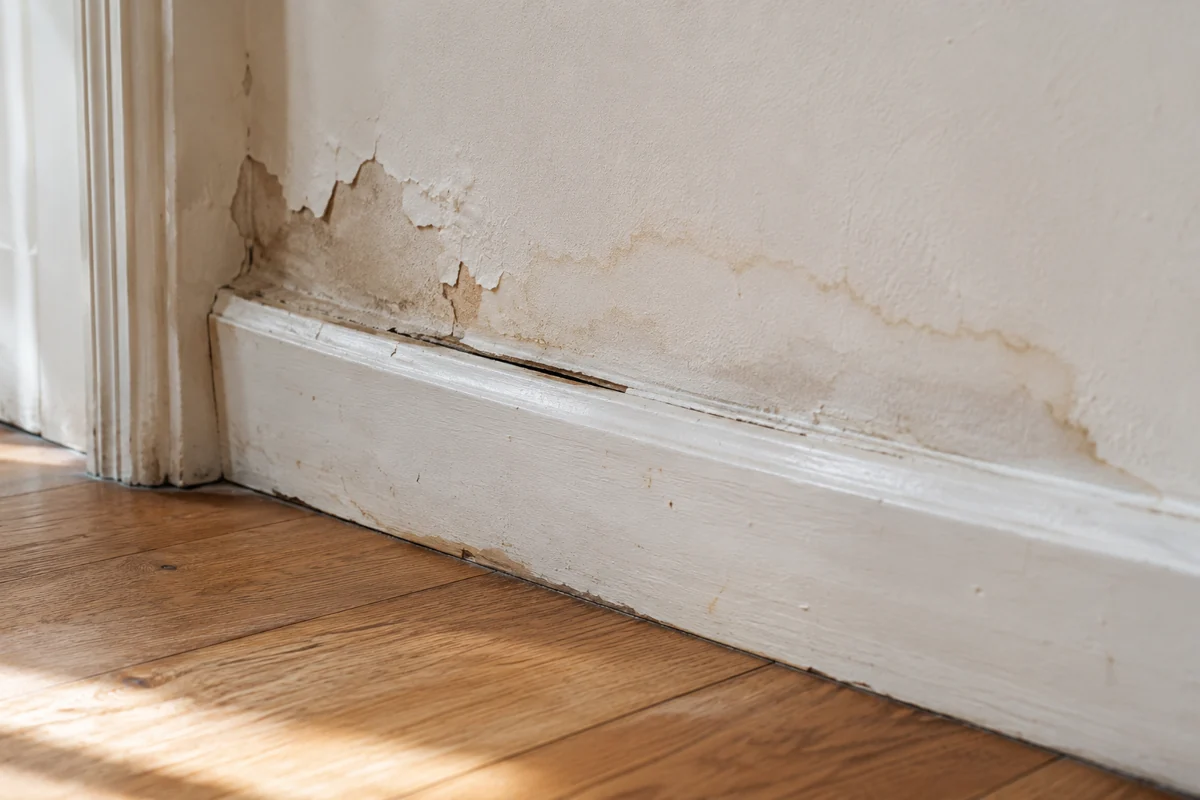
A unit intended for rising damp does not answer every situation. Water ingress after rain, a concealed leak and condensation need a response to their cause. Low marks alone do not decide between them. Note rooms, mark heights, timing and recent work. Investigation may require material examination and appropriate measurements. Read our rising damp guides and have the cause established if uncertain.
Second check: coverage and installation
Suitability depends on the cause, exact model, stated coverage and instructions. A review or photograph does not replace documented wall monitoring. Ask where to position the unit, which substrate is needed and what precautions apply. Power availability helps compare ATE and ATG. The model page and instructions should guide installation.
Third check: evidence and commitments
Examine the exact scope of documents. An electromagnetic compatibility test addresses a different issue from a wall drying measurement. A manufacturing certification and a customer testimonial likewise do not replace assessing a result in your building. Ask about observation conditions, measuring methods and limits. Read warranty and after-sales terms. Distinguish cover for an equipment defect from a specific commitment about the building.
Fourth check: monitoring after installation
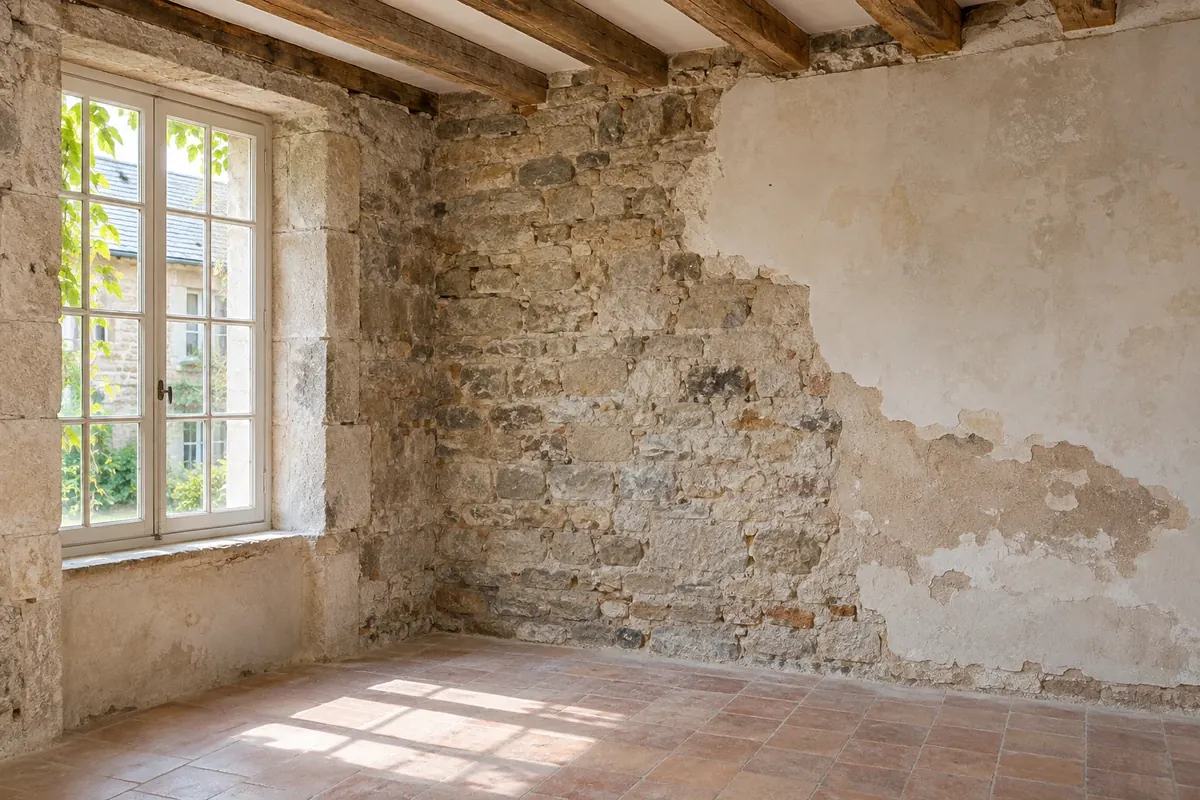
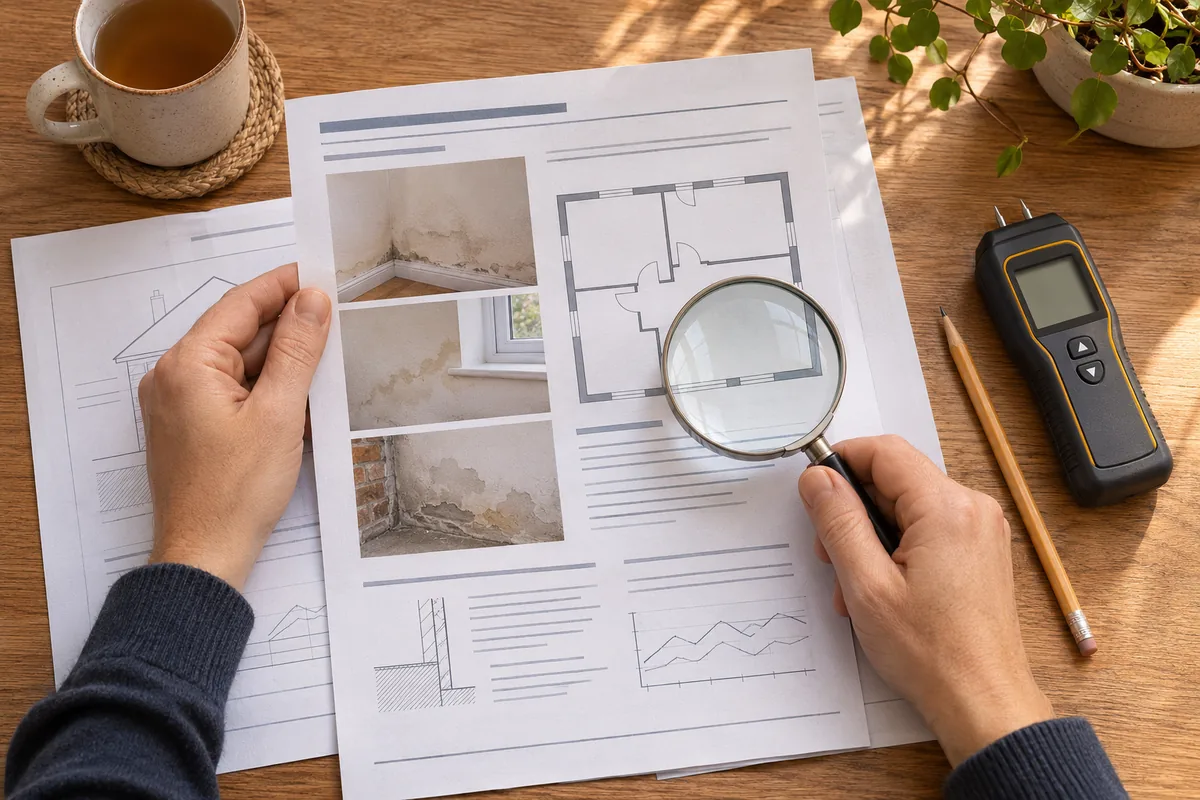
A baseline makes comparison easier: marked points, dated measurements and photographs under similar conditions. Paint colour or a drier feel does not quantify water inside masonry. Salts can affect electrical readings. Evolution depends on thickness, materials, finishes and ventilation. Plan a coherent monitoring method before renovating finishes; read our guides on preparing a damp interior wall.
Frequently asked questions before buying
Does a unit treat a damp cellar? It depends on the cause: lateral ingress, condensation and rising damp are different possibilities. The device must suit the identified problem. What does it cost? Compare model and included services: equipment, any installation and monitoring. Current prices are in the shop. Should you automatically choose the largest model? A larger diameter does not replace studying the plan, location and cause. Choose from building conditions and the instructions.
Prepare the comparison
Contact Humidité Conseil with dimensions and available wall information. Compare the model documents and shop references before placing an order.
Compare devices and current prices · Explore ATE LC30 · Ask for product advice
Watch the ATE installation video
Buildwise — electrical moisture meters and drying checks (Belgium; French)