White salts and blistering paint low on a wall: checks before finishing
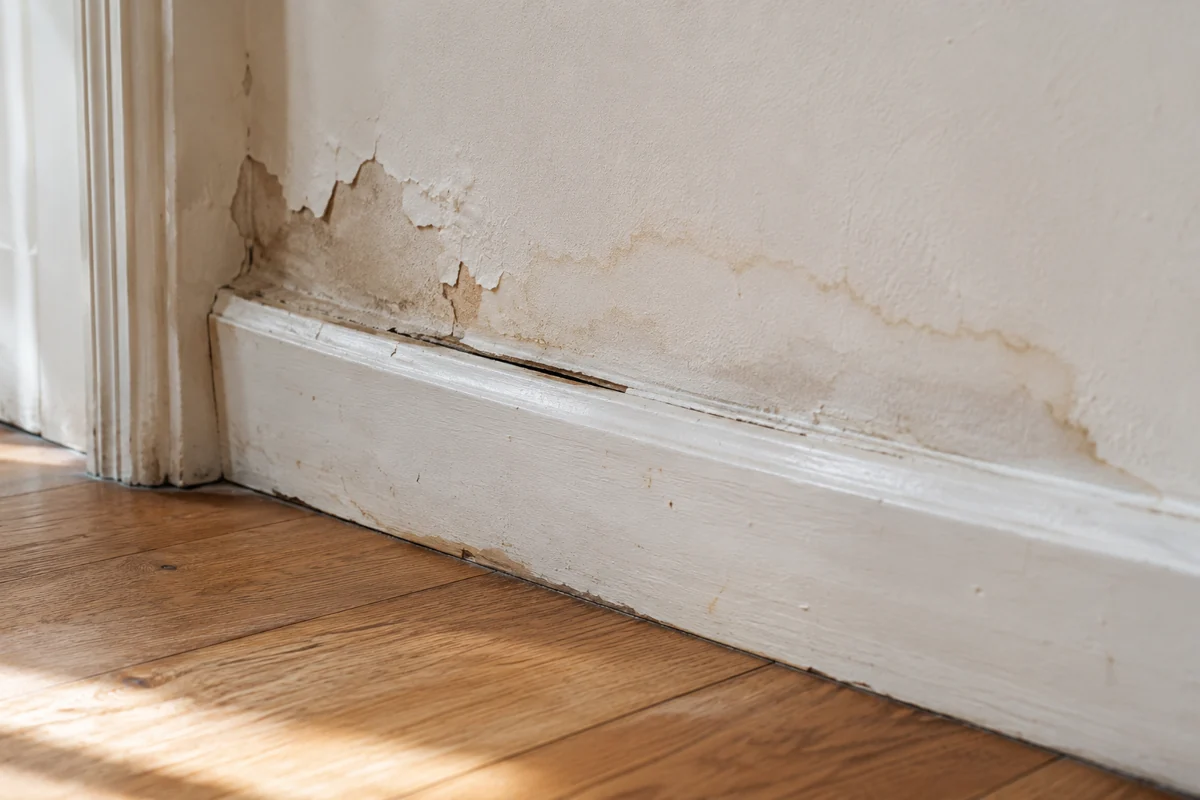
White deposits, blistering paint and crumbling plaster should be documented before redecorating. The word saltpetre is often used loosely for different efflorescences. Appearance alone cannot identify the salt composition or the cause of moisture.
Keep information before cleaning
Photograph the whole wall and close-ups of the deposits. Record the date, height and conditions: recent rain, intermittent heating or building work. A cleaned surface may look sound even while the conditions that produced the marks persist. If salts need identification, arrange an appropriate investigation; a photograph does not replace analysis.
Separate the water source from its effects
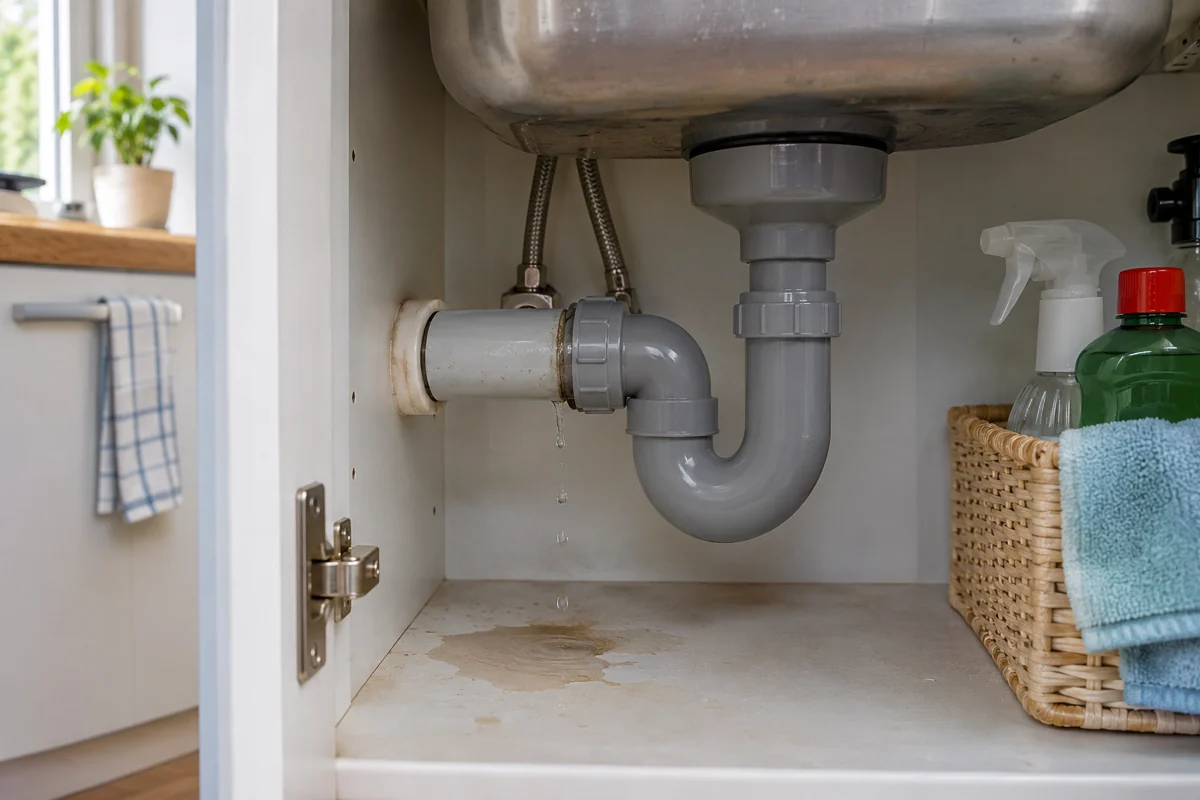
Water can carry salts and leave them at the surface as it evaporates. Some salts can also absorb moisture from the air. Distinguish the source of water, substrate condition and coating behaviour. Deposits at the wall base do not automatically prove rising damp. Depending on the configuration, investigate leaks or lateral water ingress. Any device selection comes after this distinction.
Plan repairs in the right order
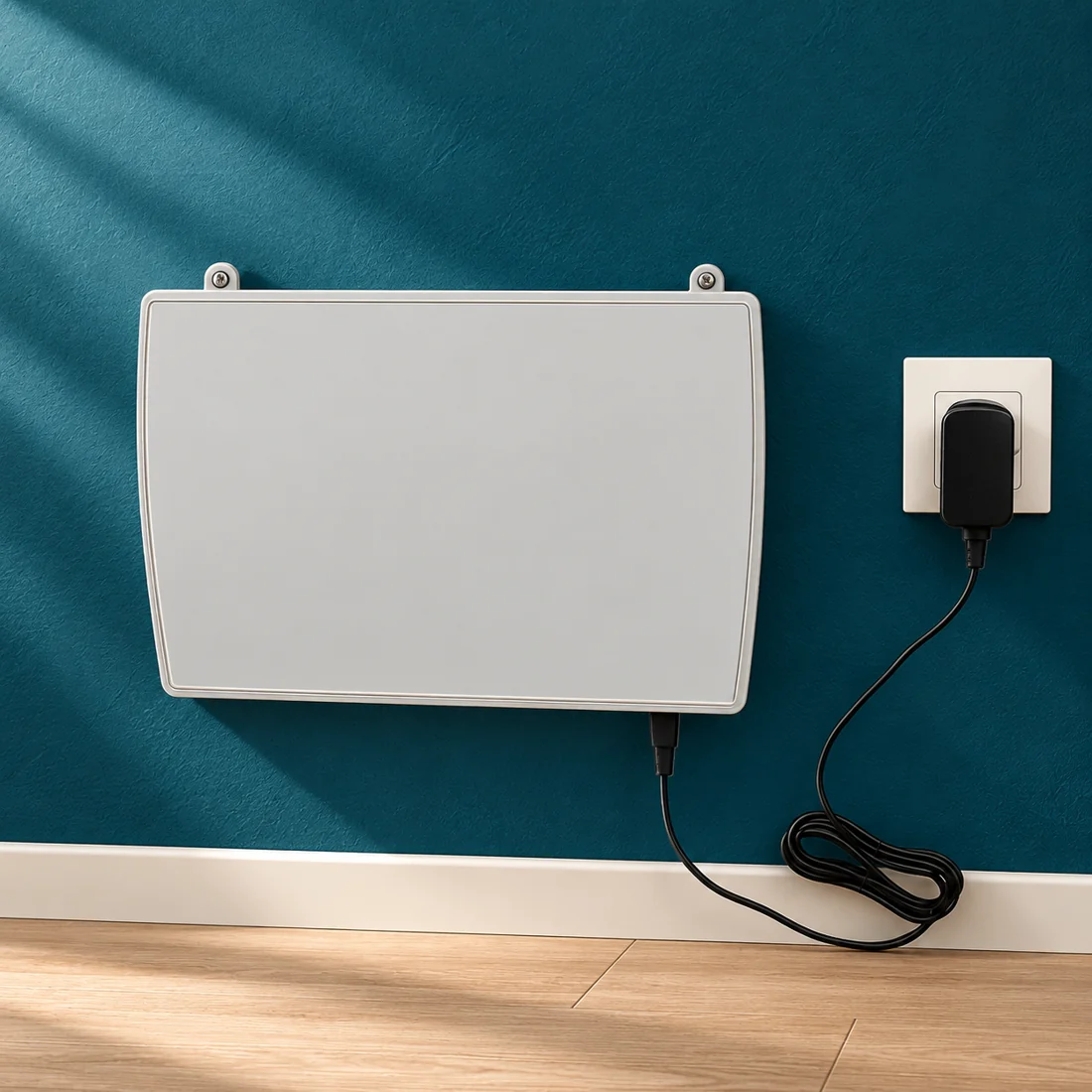
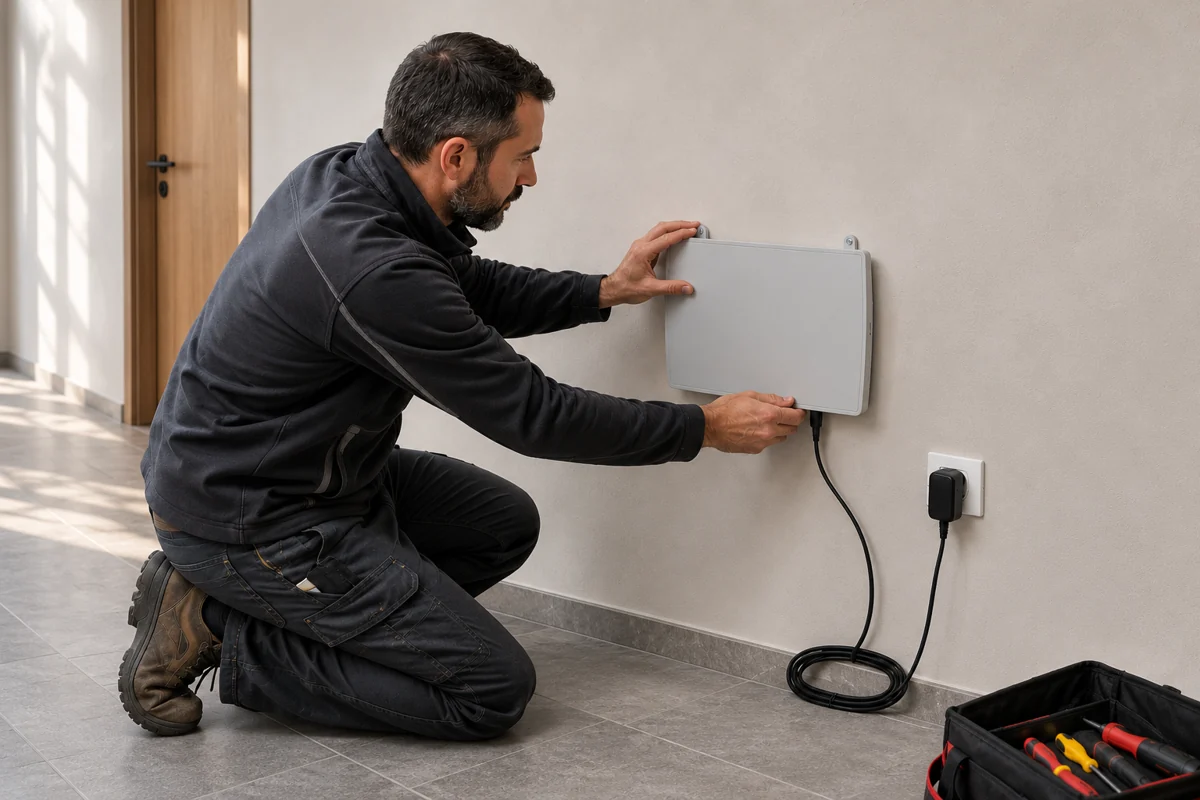
New paint does not repair water ingress. Interventions should address identified causes, then damaged materials and finishes compatible with the substrate. For an established rising damp problem, ATE and ATG devices can be considered under their conditions of use. Installation does not remove existing salts or restore detached plaster. Plan those tasks and monitoring separately.
Compare conditions before choosing
Consult the relevant ATE or ATG specifications and instructions and ask our team for product advice related to your building. Explore our shop and the guides on rising damp and salts. Choose a device for an identified use, while including the necessary substrate and finish work in the project.
Compare devices in our shop · Explore ATE LC30 · Ask for product advice
Watch the ATE installation video