Device coverage diameter: planning for a building with several wings
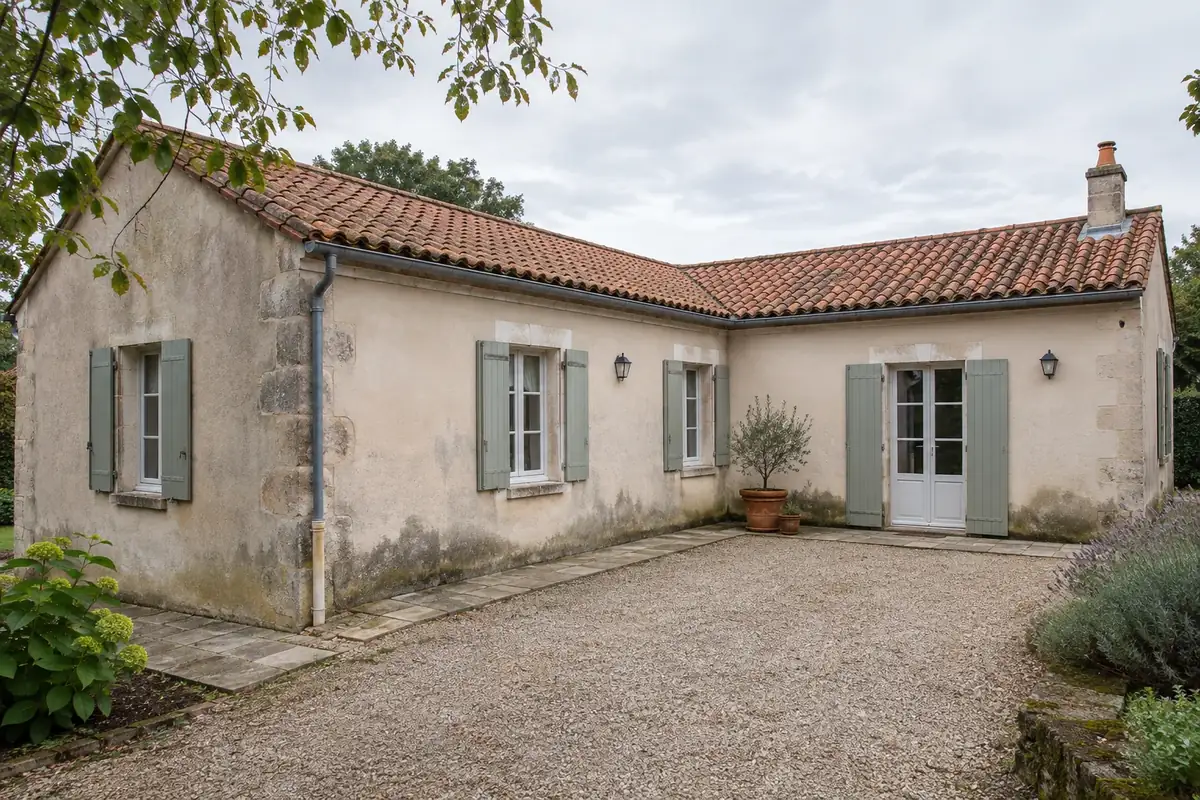
A device’s stated coverage diameter is neither the home’s floor area nor the sum of its rooms. In a building with several wings, compare that coverage with the actual plan and proposed installation point. This avoids choosing from square metres alone.
Record the relevant dimensions
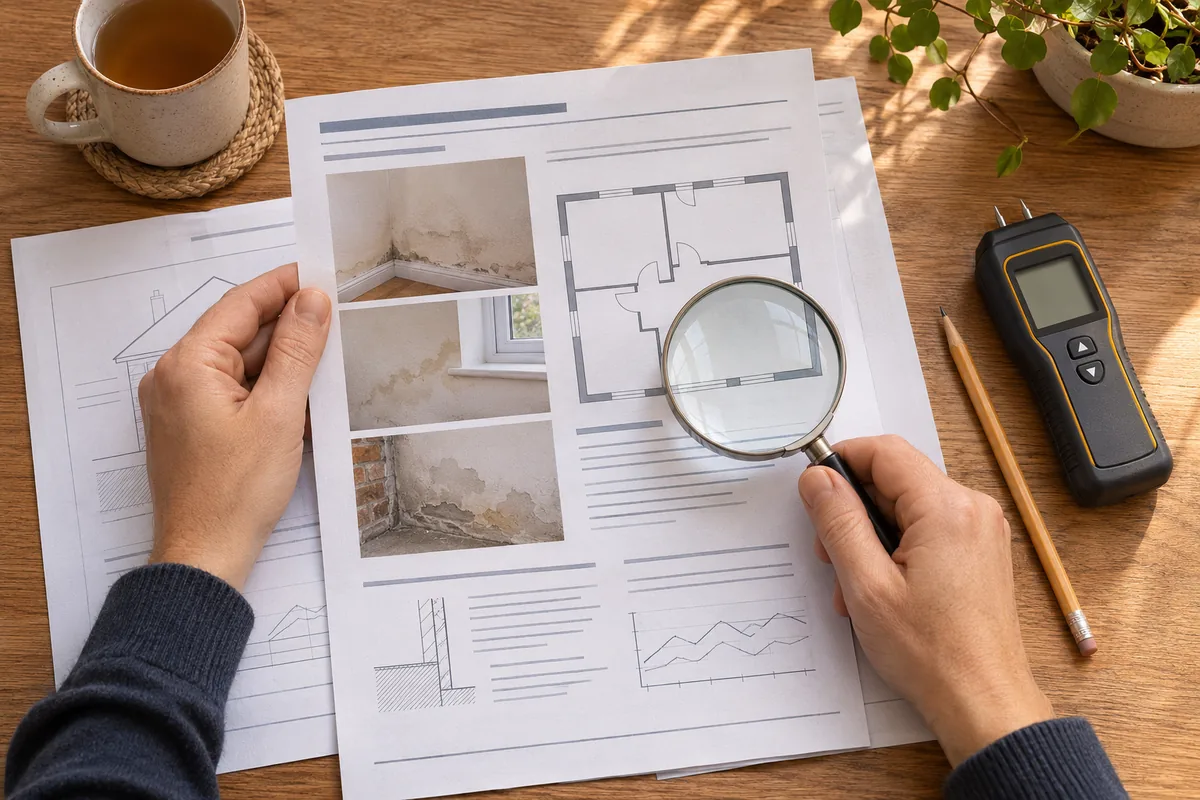
Draw the affected zone with its lengths and widths, then mark damp walls. Distinguish connected volumes from separate outbuildings and indicate the levels. Keep the building shape clear. The same floor area can describe a compact house or a long, narrow building; the coverage assessment will not be identical.
Understand LC15, LC30 and MAX references
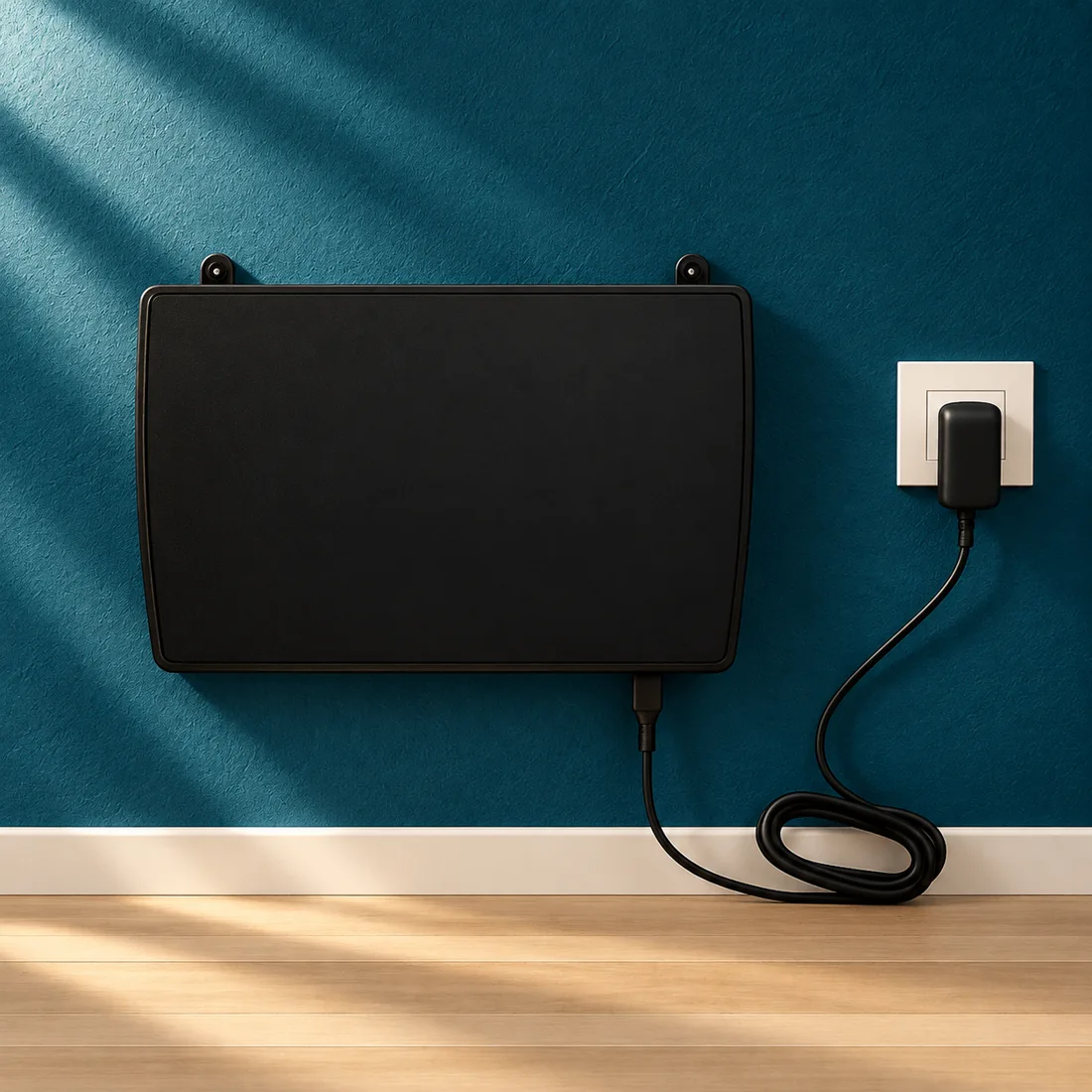
LC15 and LC30 refer to stated diameters of 15 and 30 metres. ATE MAX is presented with a 60-metre diameter. Always check the actual model page and instructions. Do not turn a diameter into a radius or automatically divide the building area to calculate a number of devices. Configuration and installation constraints must be included.
Provide the full configuration
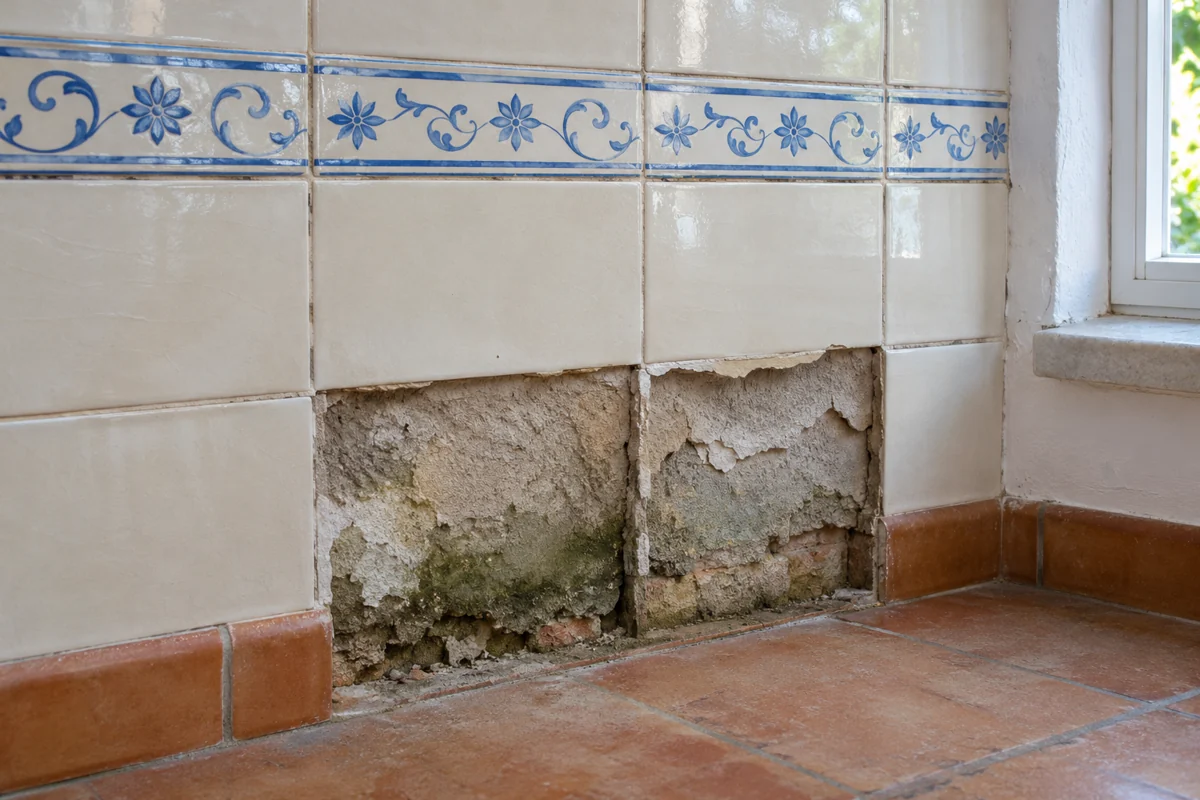
Add the available power supply, proposed mounting substrate and any wall linings. Explain how the cause of the marks was identified. Greater stated coverage does not repair a leak or waterproofing defect. Humidité Conseil offers Humidistop ATE and ATG devices for rising damp. Suitability is assessed through the cause, model, stated coverage and instructions. A testimonial or photograph does not replace documented wall monitoring.
Compare conditions before choosing
Consult the product specifications and instructions and ask our team how these relate to the building plan. Explore our devices in the shop and read the complementary rising damp and installation guides before ordering.
Compare and order our devices · Explore ATE LC30 · Ask for product advice
Watch the ATE installation video