Install an ATE or ATG device yourself: preparation for homeowners
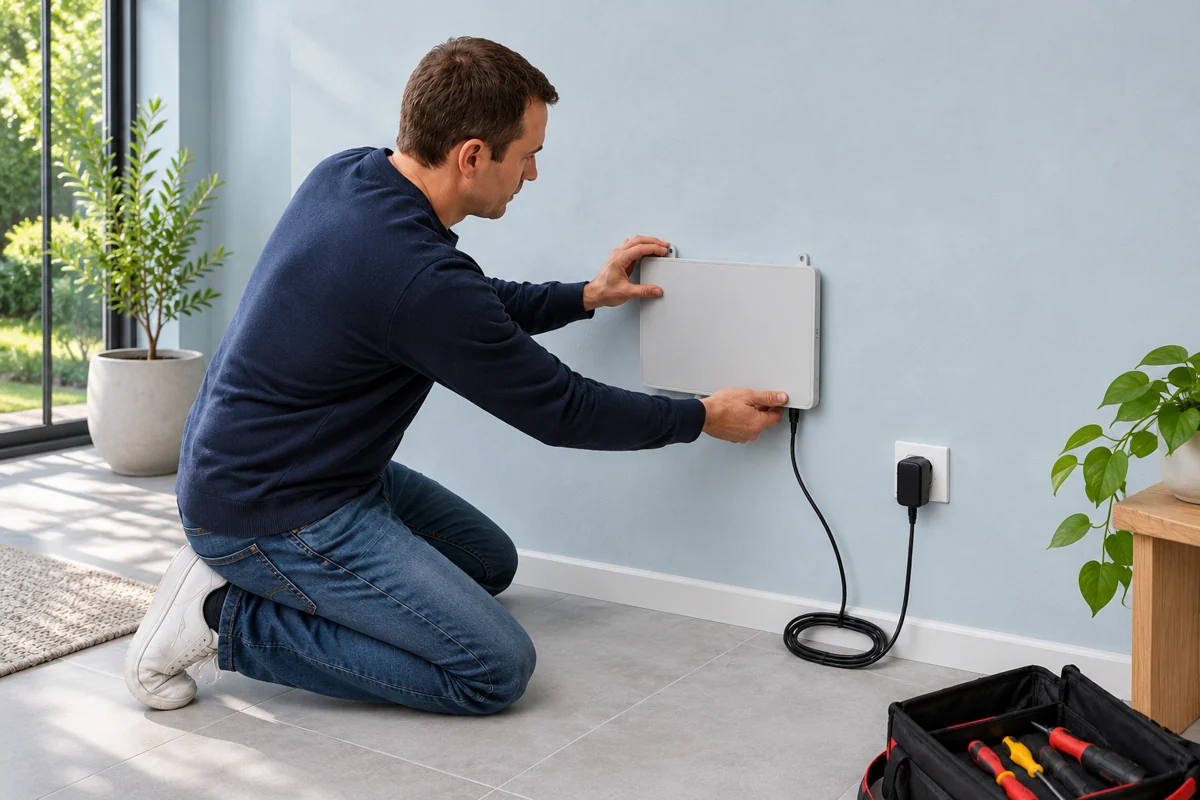
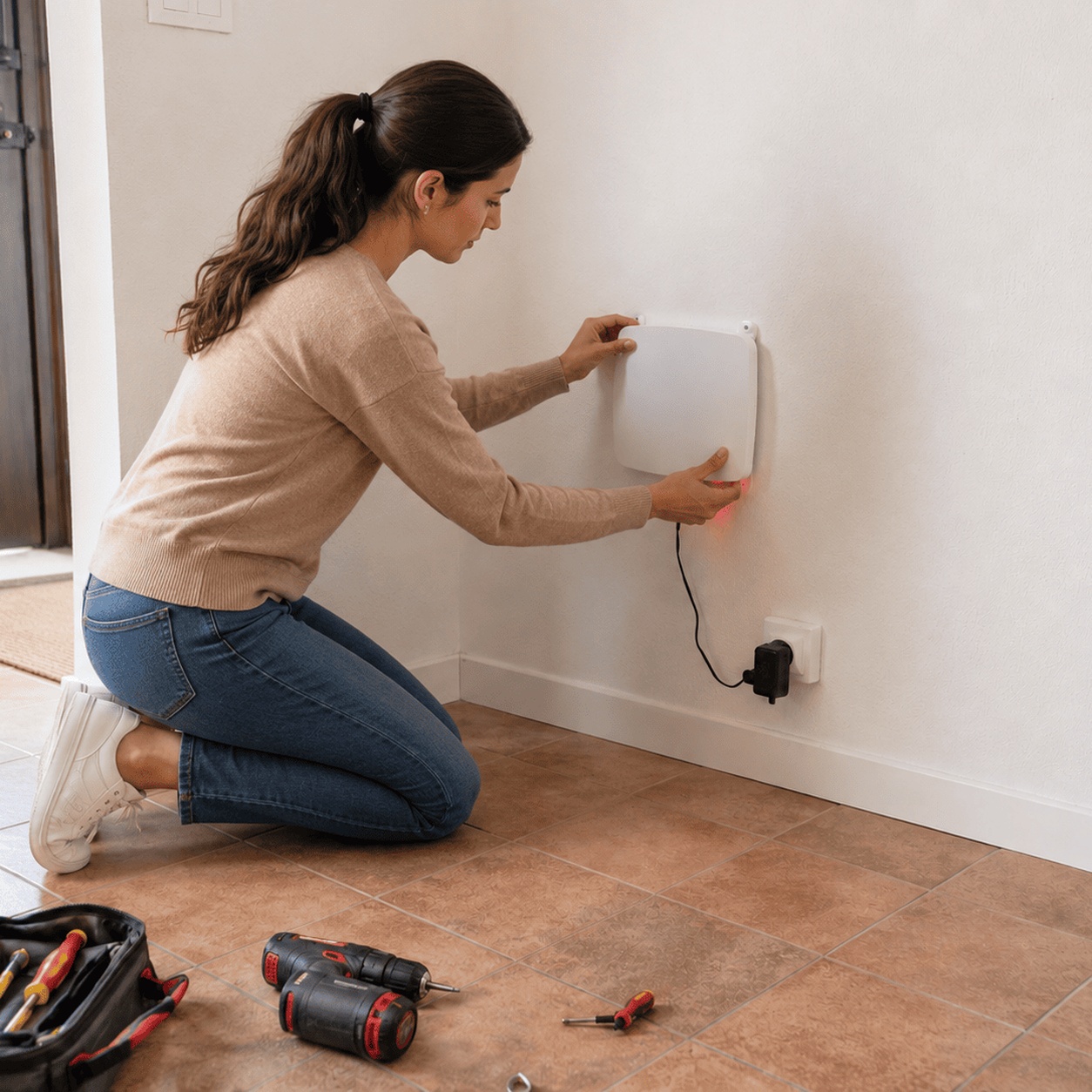
Humidité Conseil ATE and ATG devices can be installed by the customer according to the model instructions. Direct sales let you choose equipment without a compulsory installation service. Before ordering, establish that rising damp is the relevant use and check that the proposed installation can be carried out appropriately.
Prepare using the actual instructions
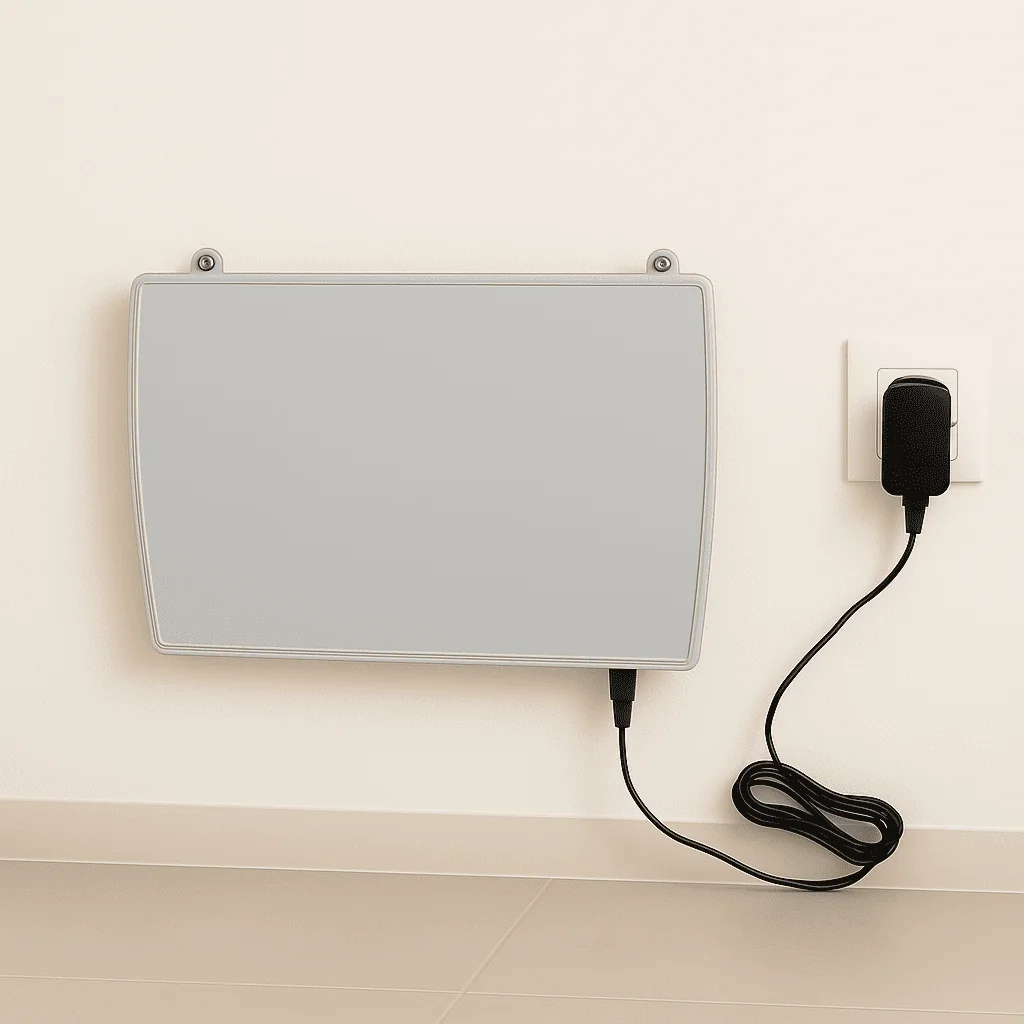
The exact model determines power, substrate, fixing and positioning requirements. Do not infer a universal height or location from a photograph. Plasterboard may conceal insulation, a void or masonry: identify the accessible substrate.
Self-installation still requires suitable fixings and understanding the instructions. If the support is damaged, inaccessible or unclear, ask before drilling. If you prefer professional mounting, arrange a suitable service separately; it is not automatically included in the equipment purchase.
Establish the intended use first
Low marks, white deposits and friable plaster are clues, not proof of rising damp. Leaks, lateral ingress, rain entry and condensation require other checks and action on their sources. Read our cause guide and compare devices for rising damp once identified. A photograph or product discussion does not replace a necessary building investigation.
Compare ATE and ATG on a plan
ATE needs mains power; ATG operates without electrical supply. Relate this difference to occupancy, access and model conditions. A socket alone does not validate the location.
LC15 models state a 15-metre diameter; LC30 and ATE LC30 PULSE state 30 metres; ATE MAX states 60 metres. Check the current specifications. Diameter is neither radius nor floor area. Plot dimensions, extensions, levels and damp walls before assessing stated coverage.
Separate the self-installation budget
The shop displays equipment prices. An equipment-only purchase does not include compulsory contractor labour. Check supplied items, applicable delivery, options and the final total before payment. Budget separately for outside help if chosen.
A device is not a complete wall renovation package. Leaks, plaster and finishes may still need repair. Compare equivalent scopes rather than equipment alone with a multi-part building project.
No injection line does not mean no intervention
These devices do not require product injection into masonry. Fixing may nevertheless require holes depending on model and substrate. Other identified building work does not disappear after installation. Do not routinely remove coatings or waterproofing to let a wall “breathe”. Repairs must suit the substrate and exposure, particularly wet rooms and buried structures.
Plan use and monitoring
Read power and operation requirements. For ATE, model electrical data, duration and your tariff determine running costs; no universal annual amount fits all situations. ATG needs no electricity. The device is not a refillable air absorber; review warranty and supplied documents.
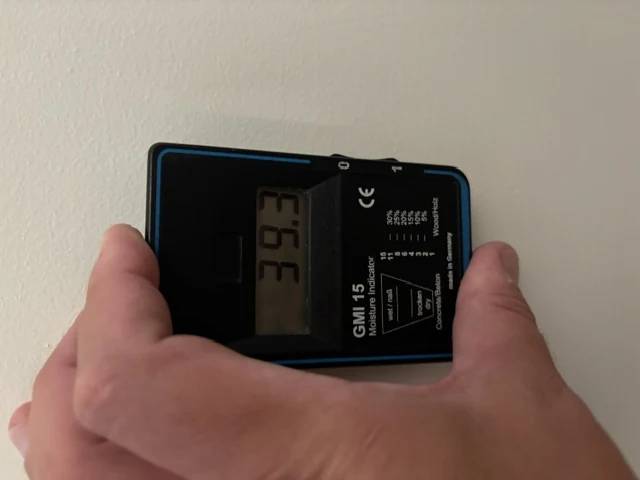
Before installation, keep dated photographs, history and marked points. Surface condition does not describe the whole thickness. Salts can affect interpretation of electrical readings. The monitoring method must fit materials and the question. No identical drying time can be promised for all masonry.
Order and prepare installation
Compare ATE and ATG, read the installation guide and videos, then choose and order through our shop. Send the team your plan and available information for product advice before buying.
Related guides
- Distinguish the causes of damp
- Compare ATE and ATG devices
- Plan documented wall monitoring
- Understand electrical moisture readings
Compare devices and order in our shop · Ask for product advice by email
Technical reference: Historic England, RICS and PCA — England, 2022