Moving a rising damp device after renovation: what to check
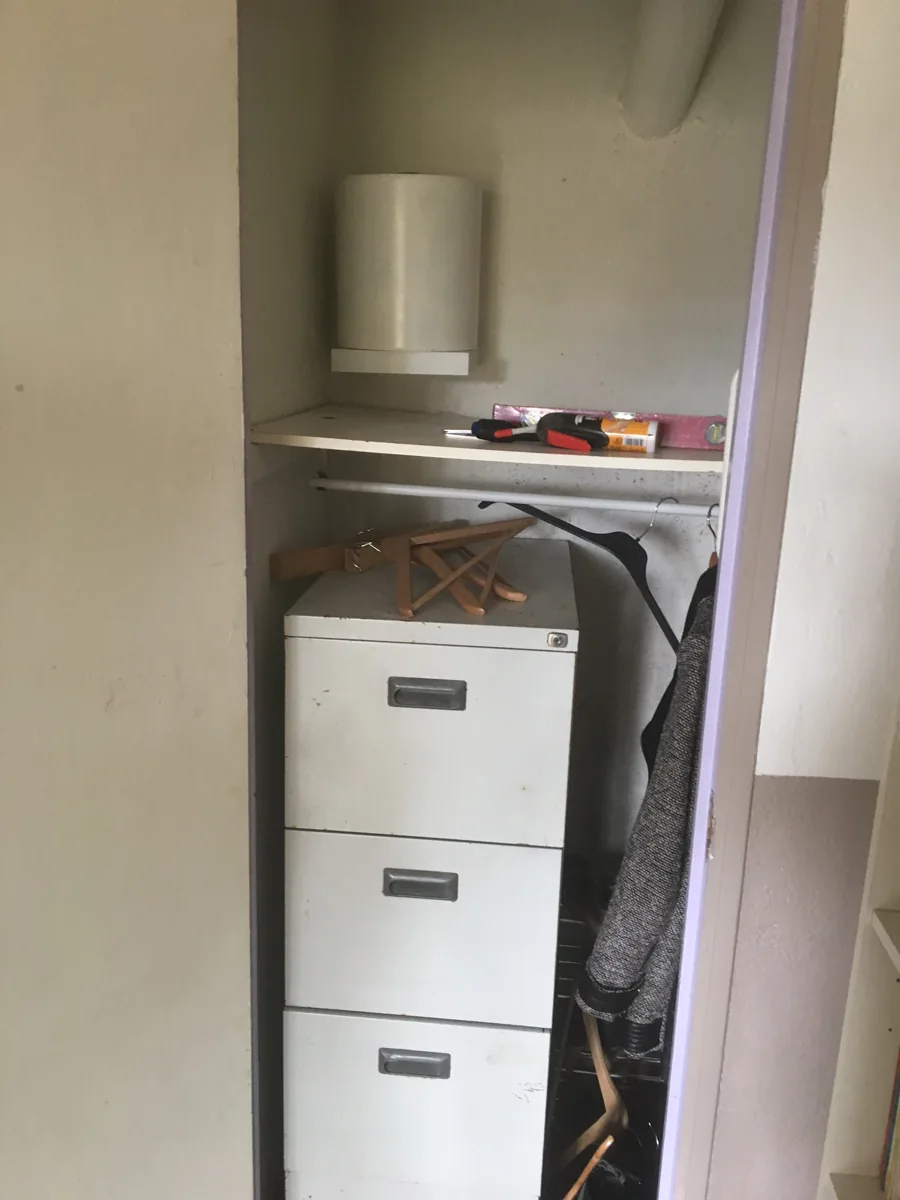
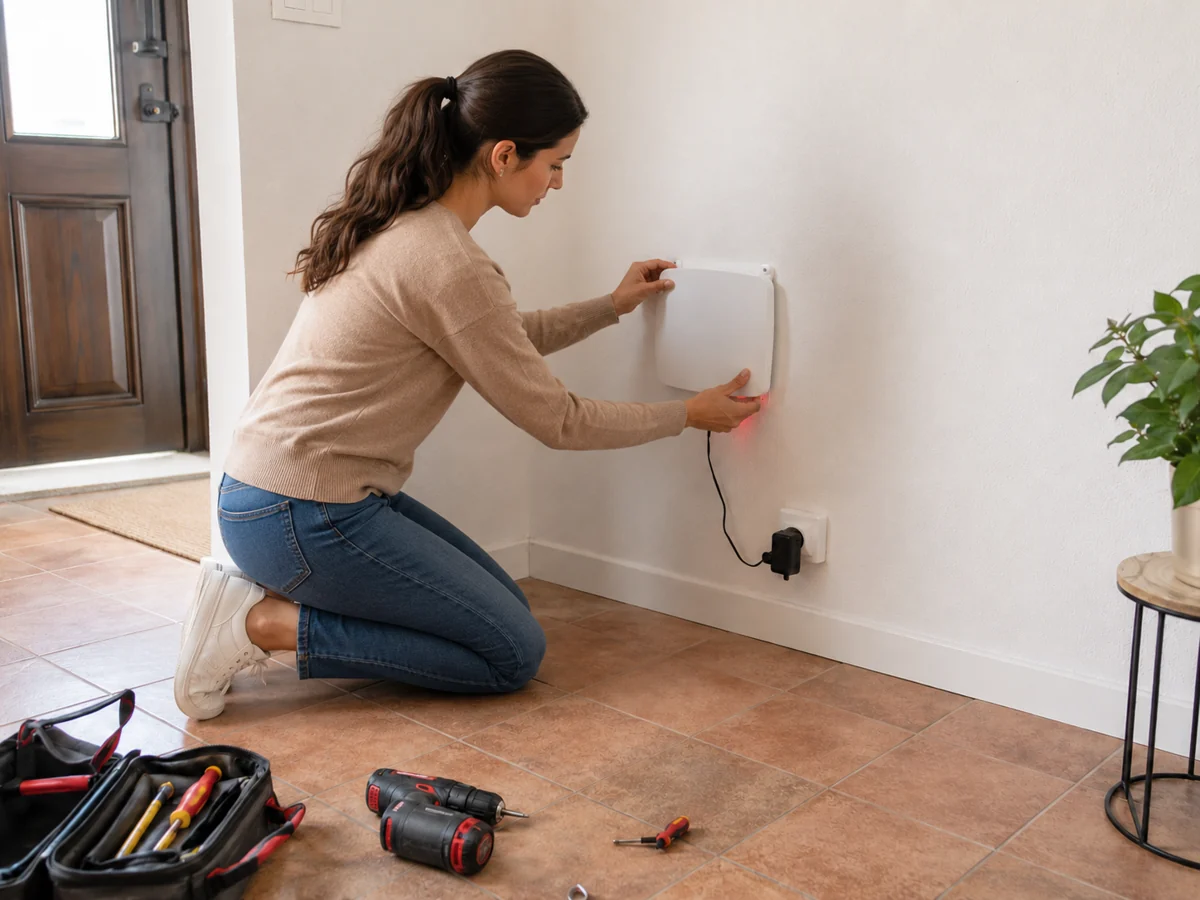
Moving an ATE or ATG after building work requires checking the new position against the exact model instructions and the walls concerned. A convenient place for furniture is not automatically a suitable equipment position. Keep the previous installation details before making changes.
Recheck coverage from the new position
Mark affected walls, distances and different levels on a simple measured plan. Compare the location with the stated coverage and conditions for the reference. A diameter in metres is not a floor area in square metres. Do not assume moving the unit to another room leaves every wall in the same position relative to it.
Prepare power and fixings
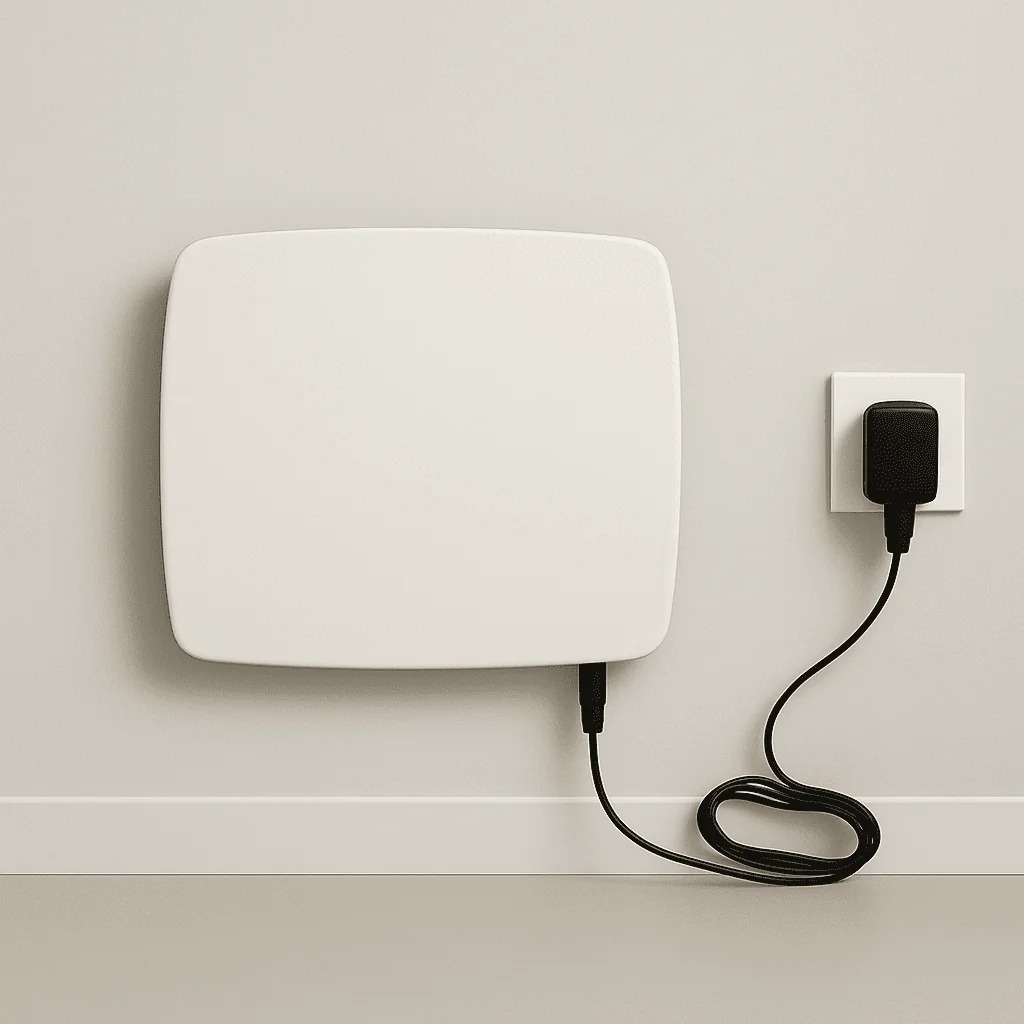
ATE devices need mains power; ATG devices operate without an electrical supply. Check the support, fixing method and positioning requirements in the supplied manual. Do not apply an installation height or clearance taken from another model. Ask for product advice if the intended arrangement is not covered.
Keep a usable monitoring history
Record the date, old and new positions and other work carried out. Reuse identified observation points where possible and retain the measurement method and conditions. Newly applied materials may also contain construction moisture. A change in paint appearance alone does not describe the moisture condition through the wall.
Keep the intended use in view
ATE and ATG are offered for rising damp. They do not repair a leak or water ingress and do not replace suitable ventilation. New traces after renovation call for an investigation of their cause, rather than an automatic decision to move or buy another device.
Useful guides and product documents
Prepare the installation · Monitor the wall · Compare ATE and ATG