Recessed wall drying devices: plan cables and finishes
For a recessed wall drying system, compare the full layout rather than the front of one unit. The number of components, their connections, service access and repairs to finishes determine how the installation fits the room. These requirements vary by system.
List the work needed in the wall
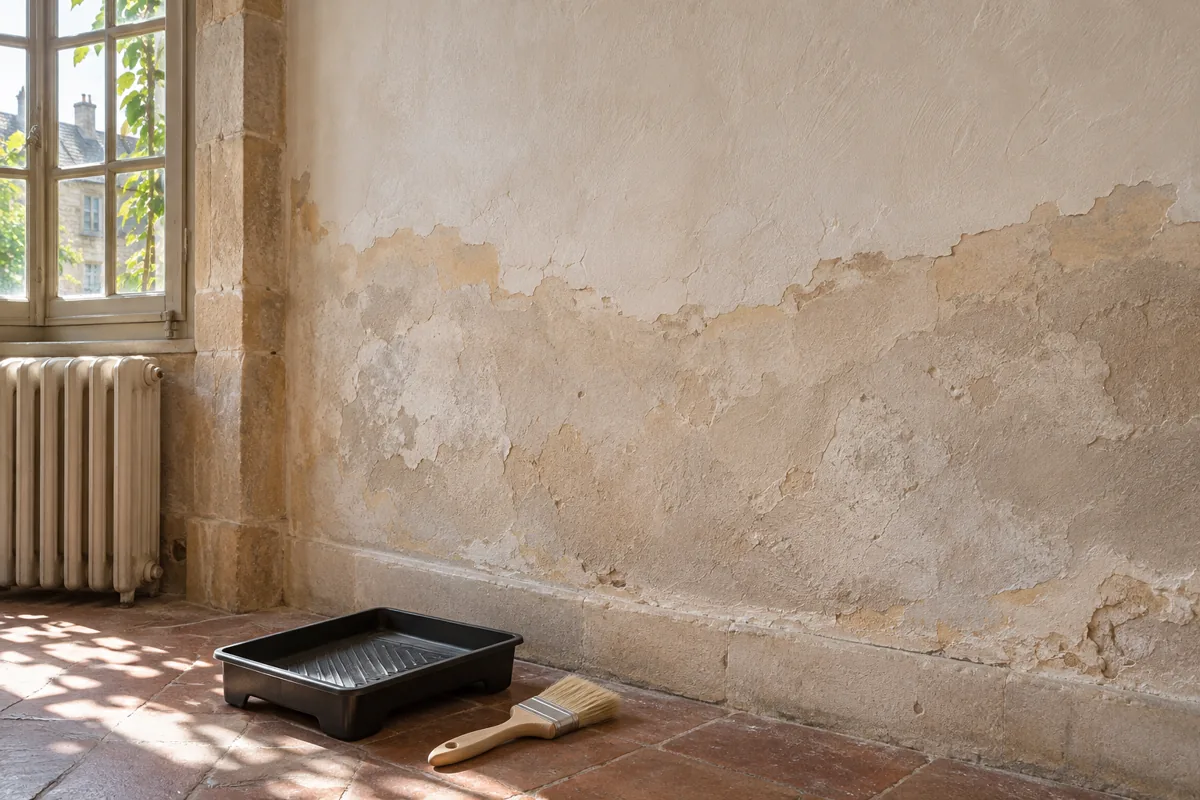
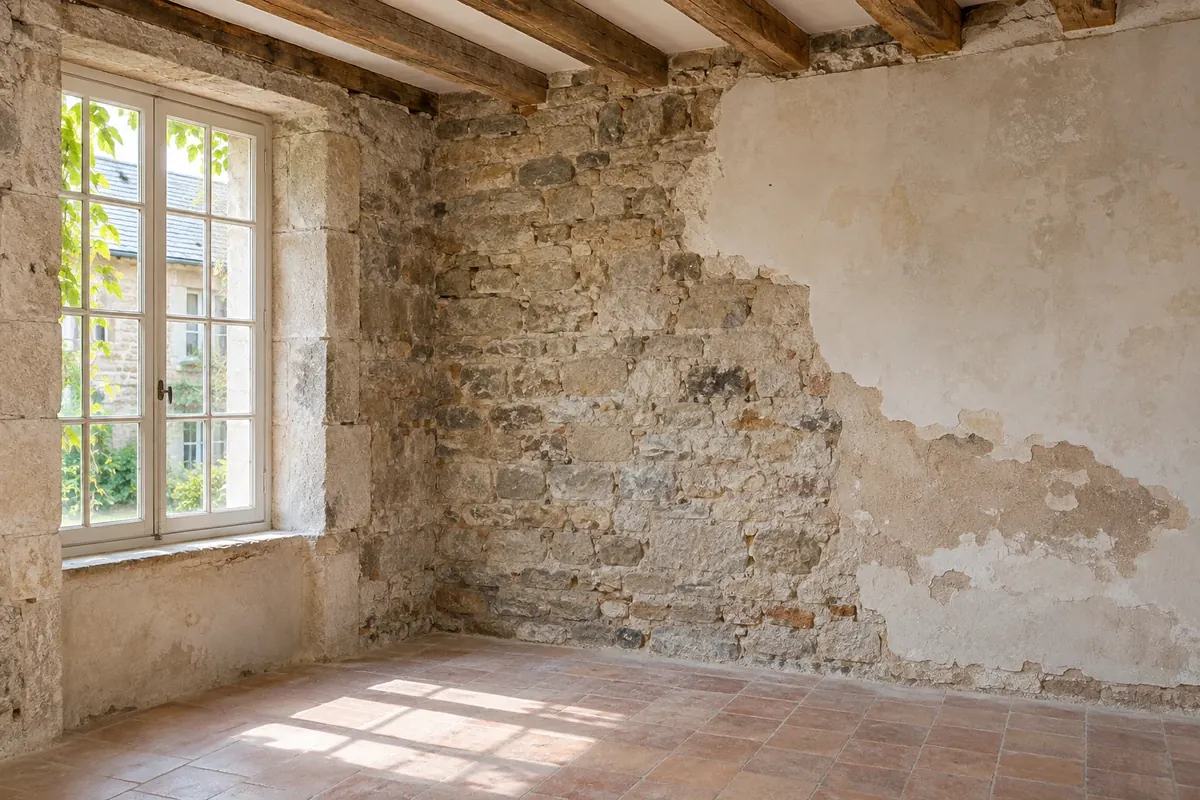
Ask how many recesses or fixing points are required and where they will be placed. In a renovated room, include furniture access, the condition of the wall and the decoration to repair. Do not assume every wall drying system requires the same work.
Plan visible and concealed cables
Where a system uses cables, a surface channel may remain visible. Concealing it may require work in the wall and reinstatement. Ask for a drawing showing the complete route, not only a photograph of a cover. The wiring requirements belong to the specific model.
Compare the same scope in each quotation
Separate equipment, mounting, electrical work where needed, access for future servicing and decorative repairs. A low equipment price does not describe the total cost of an installation. Visual discretion is a preference to discuss; it does not establish technical performance.
Consider ATE and ATG with their own instructions
Humidité Conseil offers Humidistop ATE and ATG for rising damp. ATE requires mains power; ATG works without an electrical supply. Check the exact manual for fixing and positioning. Do not place a device inside a recess, cabinet or cover unless its instructions allow that arrangement.
Keep the cause separate from the appearance
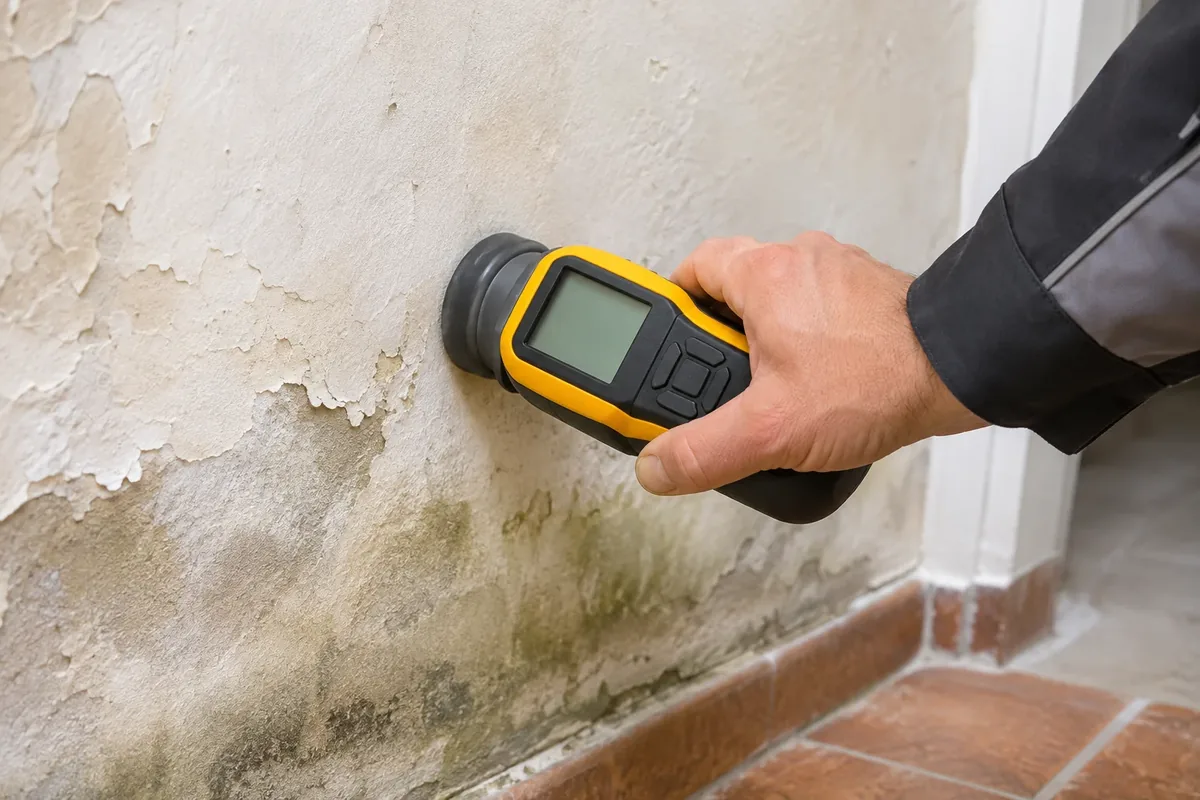
A neat installation does not repair a leak or cure condensation. Establish the cause first, then compare suitable equipment and the associated wall repairs. If rising damp is confirmed, examine the available models and their documents in our shop.
Useful guides and product documents
Compare ATE and ATG · Prepare the installation · Monitor the wall