Which solutions should you compare for rising damp?
Once rising damp is identified, several interventions can be examined: water-source management, injection, a physical barrier, finish repairs or devices offered for this use. They do not all perform the same function. Compare wall suitability, work, documents and monitoring before choosing.
Diagnosis comes before comparison
Low marks alone do not prove rising damp. Examine ground contact, protection, materials, rain and services. Lateral ingress, leaks and condensation may require separate actions. Salt presence does not alone identify the water path.
Water management and drainage
Gutters, drainage and outside levels can affect water arriving near the building. Work should address the identified path. Drainage may be studied for the construction, ground and a suitable outlet; it is not a universal prescription around every home.
Distinguish water pressure and capillary transfer. Reducing an arrival does not automatically create a damp-proof course. Excavation near foundations or old masonry needs building-specific technical assessment.
Hydrophobic product injection
Injection systems aim to create a zone limiting capillary transfer. Suitable materials, drilling, cleaning and application depend on the product. Thick, irregular or voided masonry needs assessment of suitability and treatment continuity.
SikaMur InjectoCream-100 is an example of product-specific instructions, not all injections. Compare treatment, access, holes and finishes in the quotation. Injection does not automatically restore paint or plaster.
Physical barriers and masonry work
Creating or repairing a damp-proof course must be assessed against structure and access. Cutting or inserting a barrier cannot be selected from a general rule about building age. Wall constraints, continuity and execution need technical judgement.
Plaster and finish systems
A finish may address salt effects or substrate condition without removing a water source. Check preparation, cohesion and compatibility. Some situations need separation between finish and masonry. The choice should do more than conceal a mark.
Do not routinely remove waterproofing to let a wall “breathe”. Exposure matters, particularly in buried zones and wet rooms.
ATE and ATG: installation without an injection line
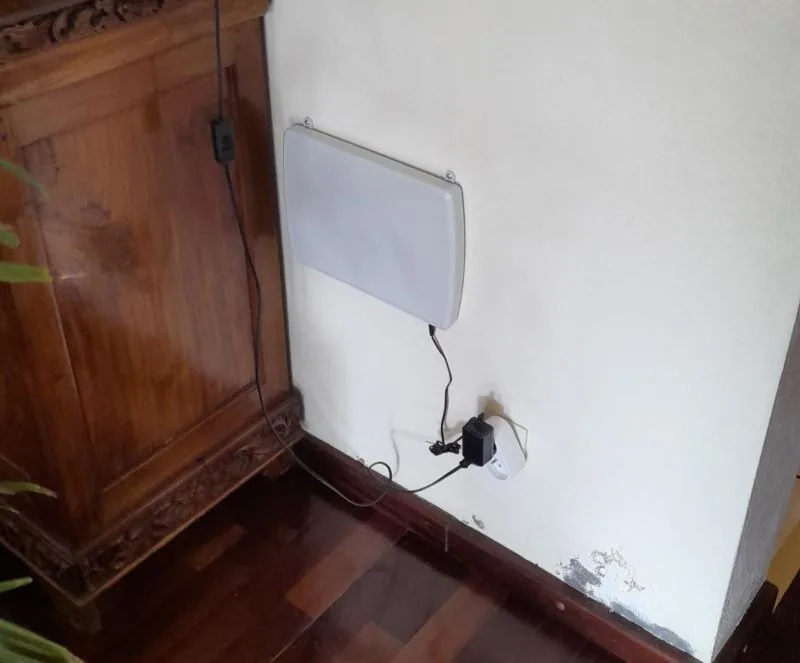
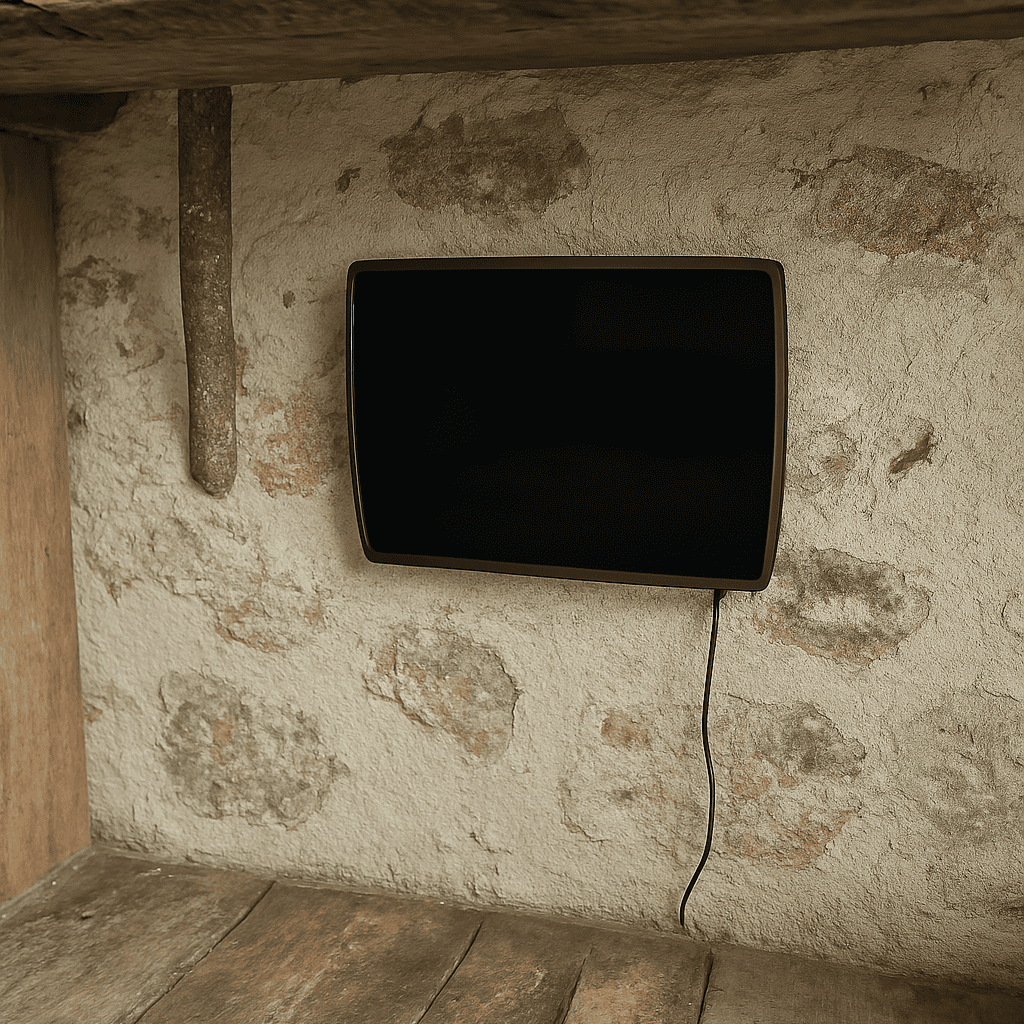
Humidité Conseil offers Humidistop for identified rising damp. ATE needs mains power; ATG operates without electrical supply. Compare model, stated diameter, plan and instructions according to power needs and installation possibilities.
No injection product needs to enter the masonry, but mounting can require drilling. Devices do not repair leaks, stop ingress or replace ventilation. A technology description alone does not establish a result for the building.
Define monitoring and the complete budget
Separate equipment, any installation, water repairs, substrate work and finishes. Equipment alone is not a complete renovation. Read warranty conditions for what they cover.
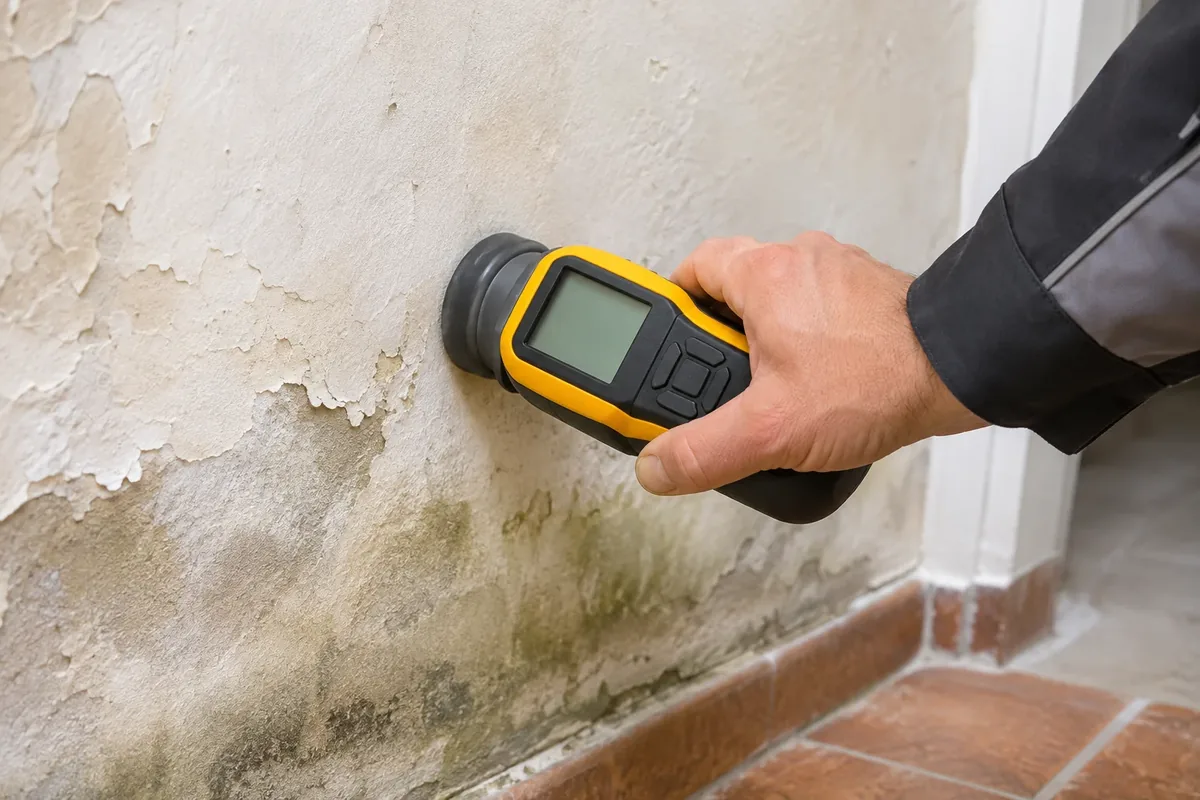
Keep dated photographs, work records and marked points. Salts and materials affect electrical readings; a number is not a universal water percentage. Surface colour does not establish internal conditions. Follow drying and finishes according to the building rather than one period for every wall.
Compare our devices and prepare an order
Use our six-model ATE/ATG guide, view devices and prices in the shop and ask for product advice before buying.
Related guides
- Distinguish the causes of damp
- Compare ATE and ATG devices
- Plan documented wall monitoring
- Understand electrical moisture readings
Compare devices and order in our shop · Ask for product advice by email
Technical reference: Historic England, RICS and PCA — England, 2022
Buildwise — hygroscopic salts and finishes (Belgium; French)
SikaMur InjectoCream-100 — product instructions, France, November 2025 (French)
Confirmed rising damp? Compare our Humidistop devices