ATE or ATG for rising damp: power supply and building use
The most practical difference between ATE and ATG ranges is their power supply. ATE devices are electromagnetic and connect to mains power; ATG devices are geomagnetic and operate without electricity. Relate this distinction to how the building is actually used.
Examine occupancy conditions
A year-round home, a house closed for several months and premises without an available socket have different constraints. Ask how the required supply will be maintained and whether the location follows the instructions. ATG’s electrical independence does not mean it provides air renewal. In a lightly occupied building, ventilation and water entry still need separate investigation.
Compare models within each range
LC15 and LC30 correspond to stated diameters of 15 and 30 metres. The ATE range also includes ATE LC30 PULSE and ATE MAX, the latter presented with a 60-metre diameter. Consult the actual model page. A diameter is not a radius or a floor area. A dimensioned plan showing affected walls and extensions enables a more precise discussion than square metres alone.
Decide after identifying the cause
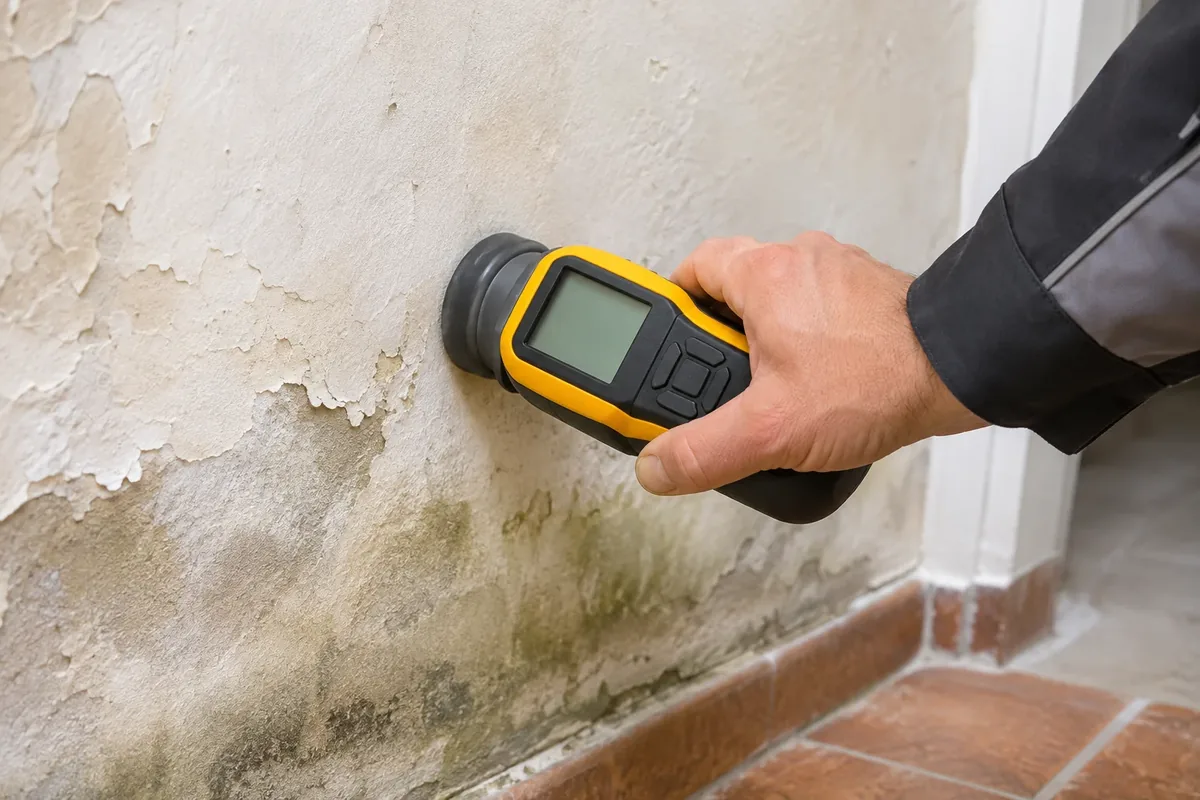
Choosing between ATE and ATG makes sense only if a device intended for rising damp matches the identified problem. A mark after rain, a faulty pipe or condensation needs other checks. Then prepare the location, documentation and monitoring points. Follow the model conditions; drying time depends on the building and cannot be promised from the technology name alone.
Compare conditions before ordering
Explore ATE and ATG in our shop, consult specifications and instructions and ask our team for advice on the building configuration. Prepare the plan and use constraints before choosing. Keep repairs to leaks, ventilation and damaged finishes separate from the device selection.
Compare ATE and ATG in our shop · Explore ATE LC30 · Ask for product advice
Watch the ATE installation video