Mould before wall lining or insulation: what to investigate
A new lining may hide visible mould without addressing the conditions allowing it to develop. Before closing the wall, investigate its moisture condition, potential water sources and the proposed insulation system. Cleaning a surface does not by itself show that the substrate is ready to be covered.
Keep the visible evidence
Photograph the affected area, the room and the distribution of marks. Record recent weather, use of the room and previous work. On a plan, mark external walls, plumbing, buried sections and furniture. These observations help decide what needs checking; they do not confirm a cause alone.
Distinguish condensation from water entering the wall
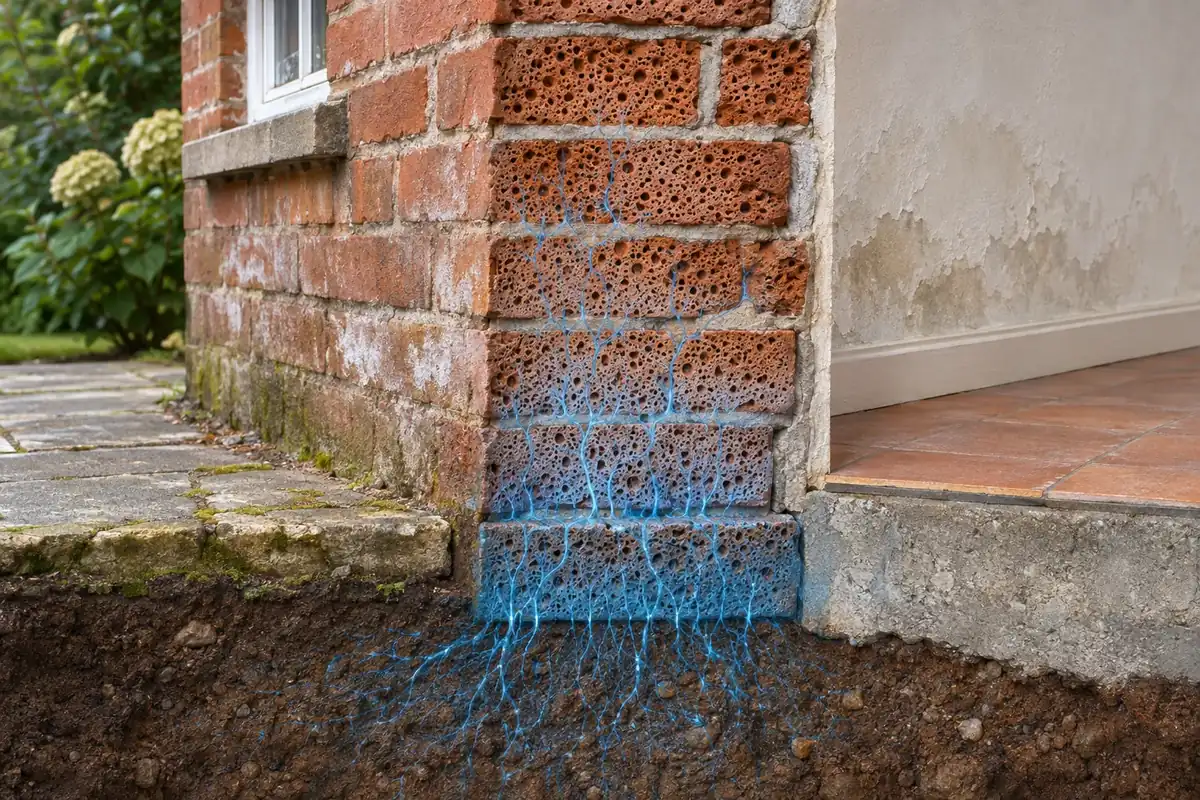
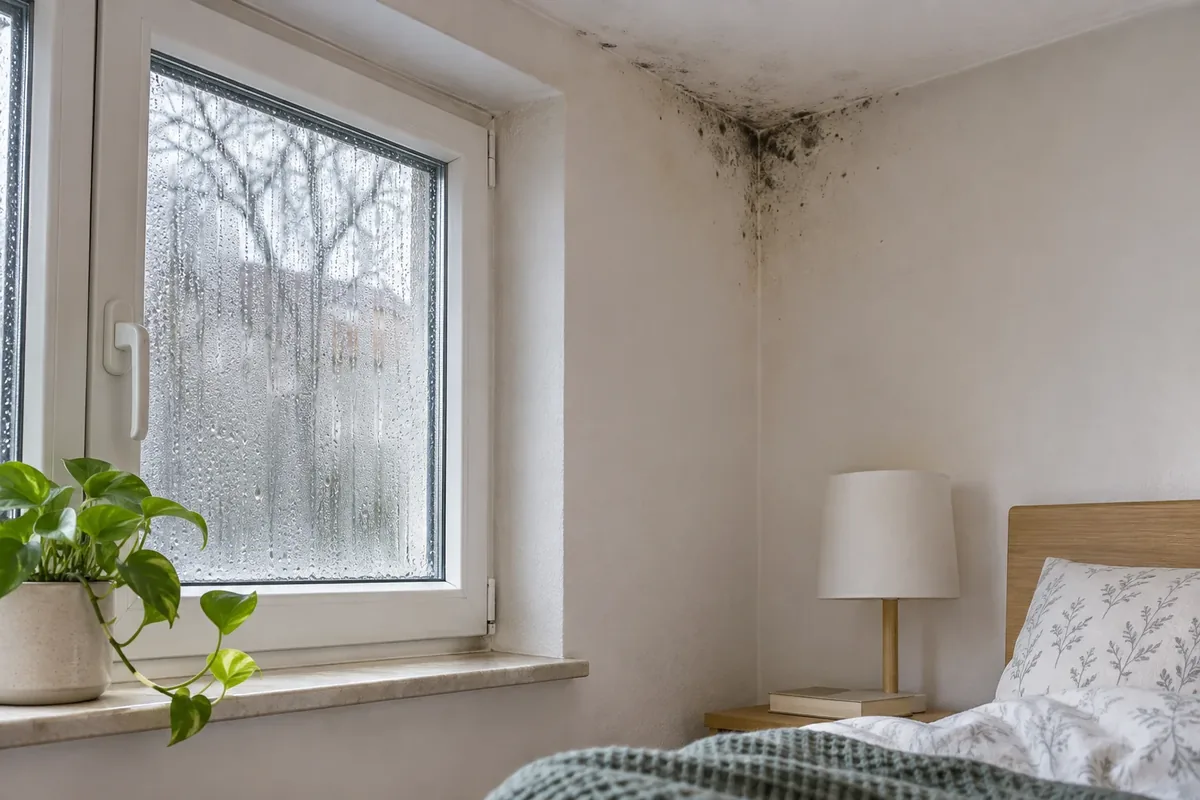
Marks in cold corners or behind furniture call for examining surface temperatures, ventilation and moisture production. Rain penetration, a pipe leak or lateral water entry may also be involved. Mould alone does not justify a universal treatment or the automatic purchase of a rising damp device.
Air humidity is different from masonry moisture
A room hygrometer indicates relative humidity and air temperature. It does not directly measure the water content of a wall. Some electronic masonry meters are influenced by materials and salts. Where wall testing is needed, use a suitable method and understand its limitations.
Assess the complete insulation system
Insulation changes the way a wall behaves. Discuss the existing construction, materials, water sources, junctions and ventilation with the designer. Historic England advises particular care with insulation in traditional construction. This is a resource from England, not a substitute for the requirements applying to your project.
Check salts and the condition of finishes
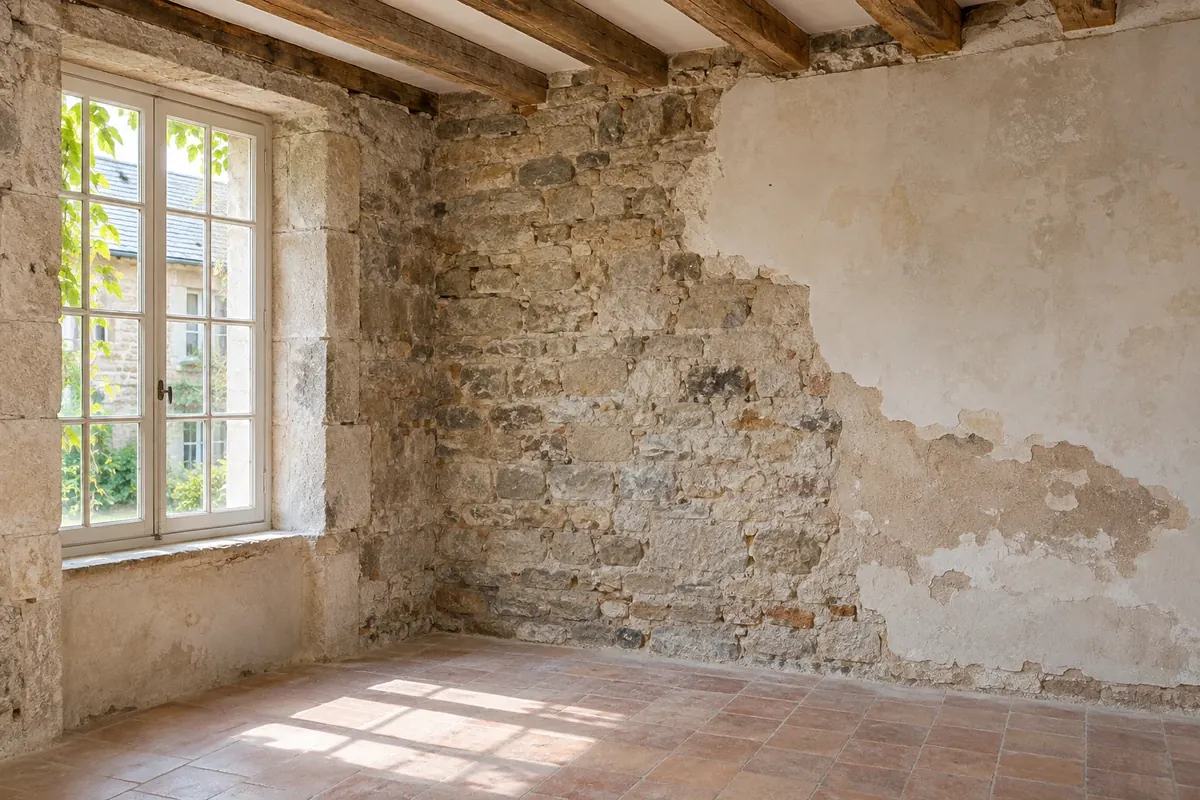
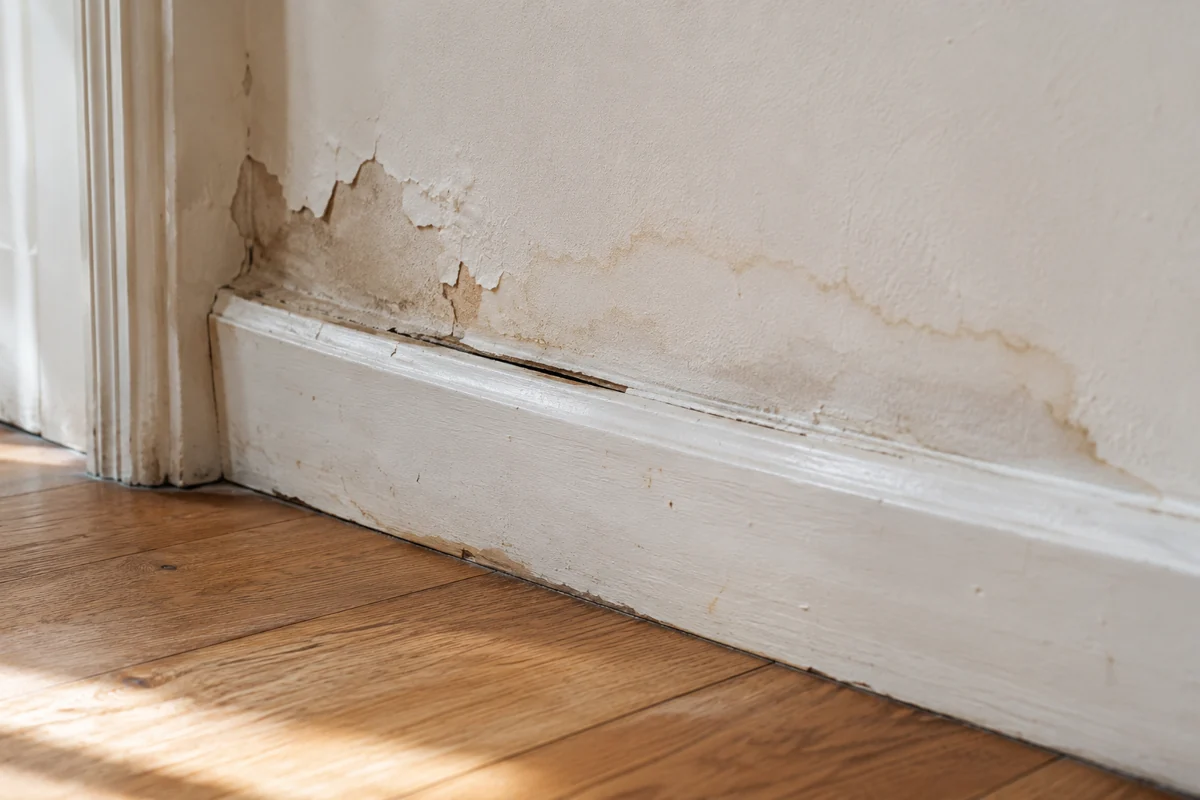
Friable plaster, peeling paint and white deposits require assessment before finishing. Some hygroscopic salts take up moisture from the air. Their presence does not identify the original water source, and removal of visible deposits does not necessarily remove salts from the masonry.
Place equipment within the right scope
Humidité Conseil offers ATE and ATG for rising damp. They do not design the insulation, restore ventilation or repair water ingress. If rising damp is confirmed, compare power, stated coverage, manual and follow-up separately from the lining system and its substrate acceptance conditions.
Useful guides and product documents
Understand the causes · Understand wall moisture readings · Monitor the wall
View devices in our shop · Ask for product advice
Technical reference (French) — Buildwise · Historic England — wall insulation in traditional buildings (England)