Resin injection or polarity reversal: what should you compare?
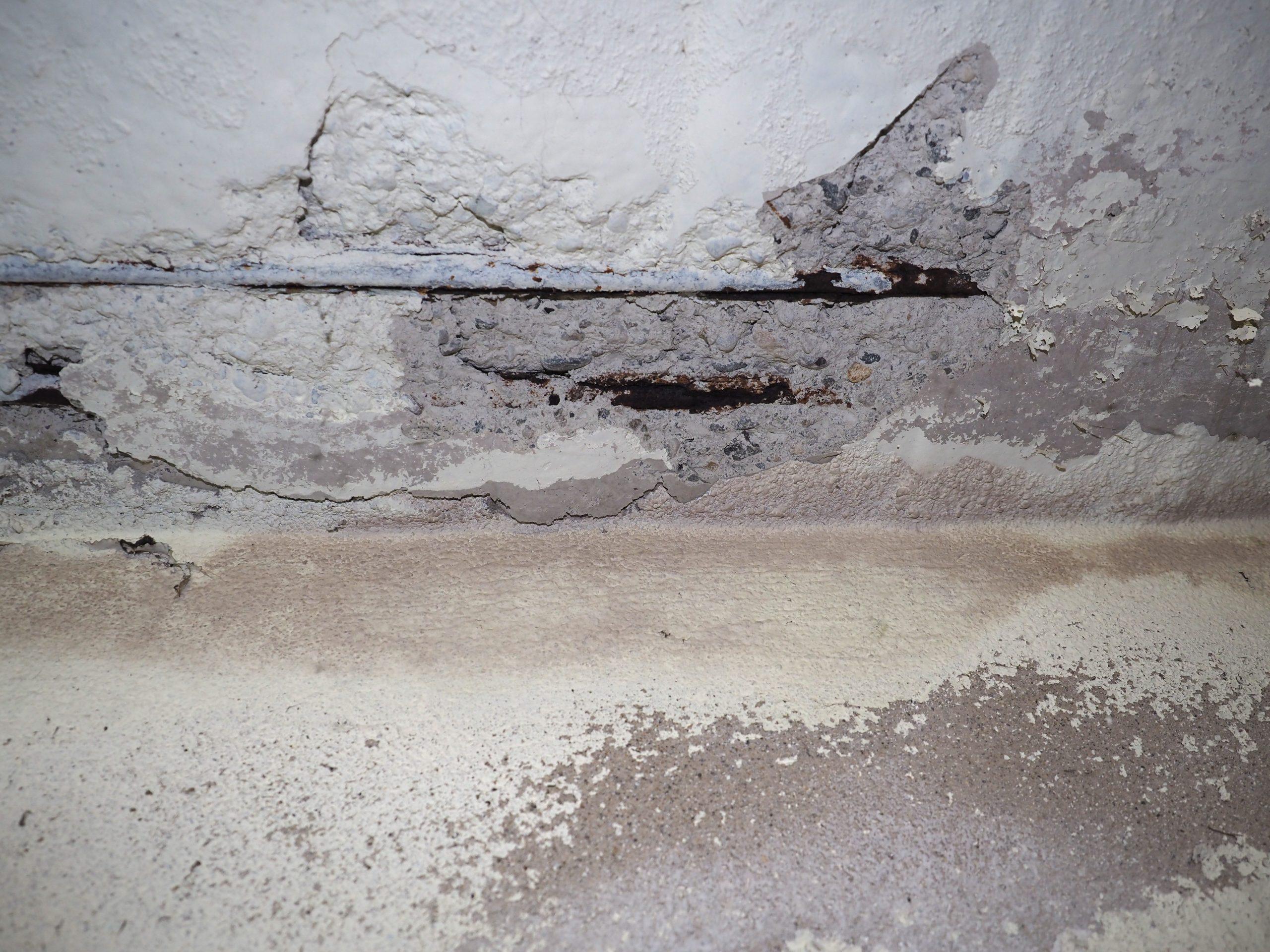
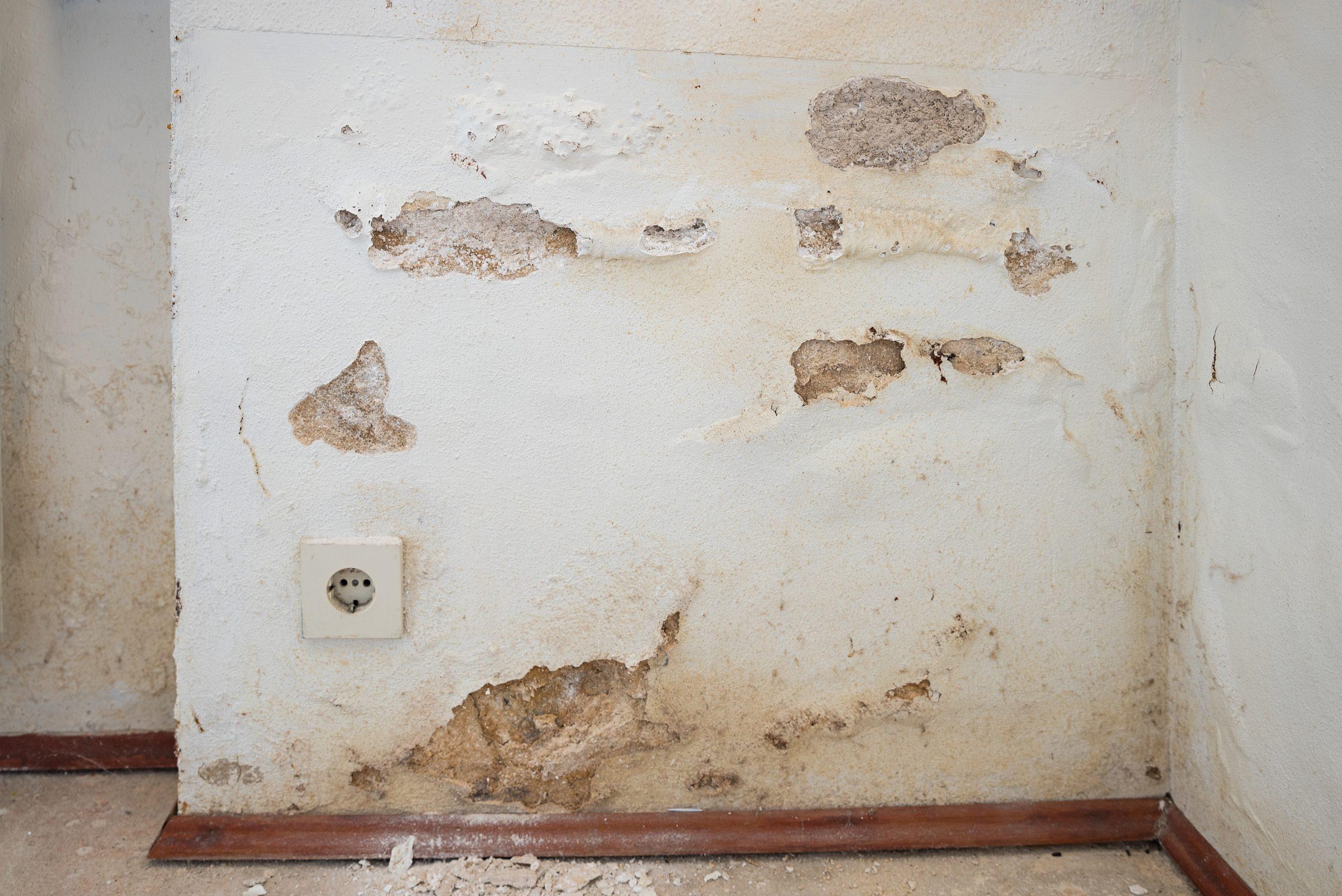
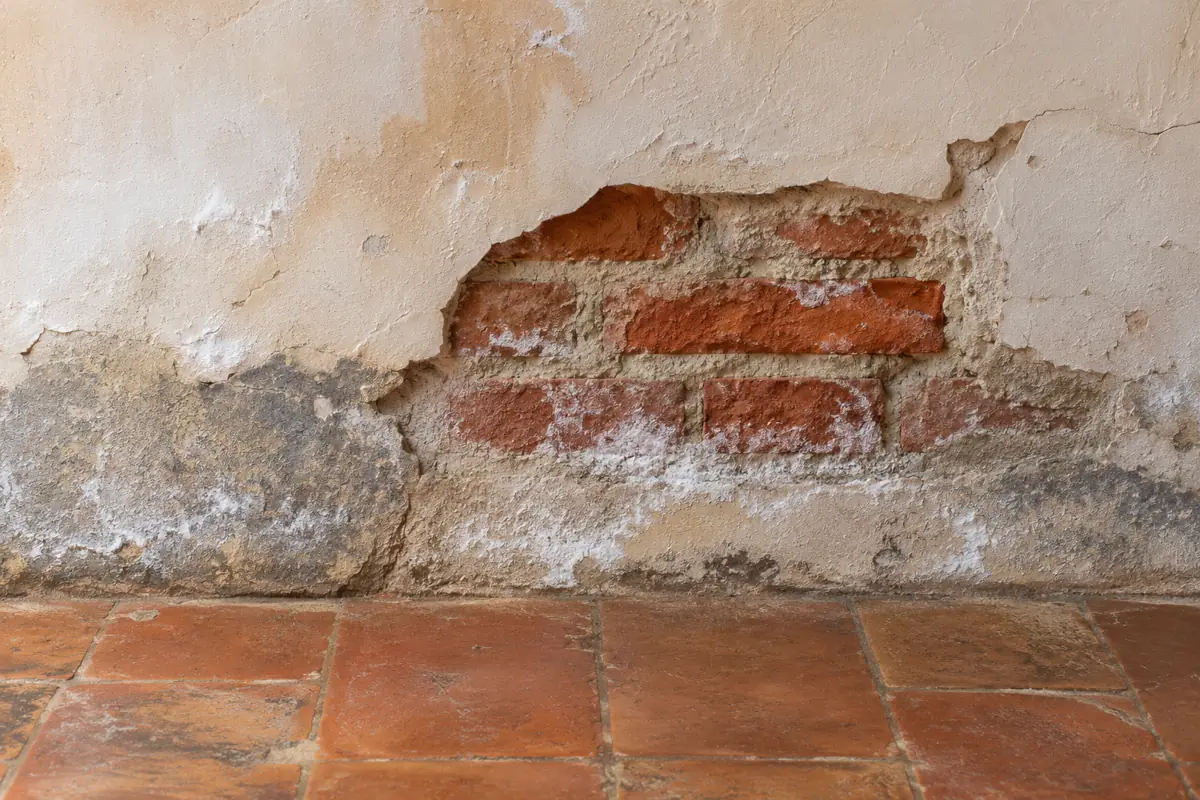
Comparing resin injection with a polarity reversal device starts with an identified cause. Marks at the base of a wall can also come from water ingress or a leak. If rising damp is established, the masonry and implementation requirements become central to the decision.
Describe the wall before choosing a method
Stone, brick, heterogeneous joints, voids and older repairs can change the constraints of an intervention. Ask which part of the wall will be treated and how difficult areas will be addressed.
For an injection proposal, ask about drilling, access, the product, limitations of the process and planned making-good work. There is no reason to dismiss this method as a matter of principle: assess its suitability for the building.
Clarify what installing a device involves
Humidistop ATE and ATG devices are installed without resin injection into the masonry. Wall fixings and positioning requirements still need checking in the instructions. ATE devices require mains power; ATG devices operate without an electrical supply.
Consider the stated coverage alongside the plan. It is neither a floor area in square metres nor proof that all walls across a group of buildings will be addressed in the same way.
Compare quotations with equivalent scopes
Ask for an itemised breakdown separating equipment, installation, monitoring and repairs to plaster or render. The initial price does not always describe the work needed on finishes that are already damaged.
In both cases, investigate additional water sources and plan monitoring. Rainwater ingress does not disappear because a rising damp treatment has been installed. Finishing work should be planned around the substrates and their drying.
Compare the conditions before choosing
Read the specifications and instructions for the relevant model. For example, consult the ATE LC30 product page. To relate the information to your building, ask our team for product advice. Read our rising damp guide.
Compare devices and order from our shop
Related guides
Compare treatments for damp walls · Plan wall drying monitoring
Reference for investigating the cause: AQC — rising damp, France, updated September 2026 (in French)