ATG device: when to choose a solution without electricity
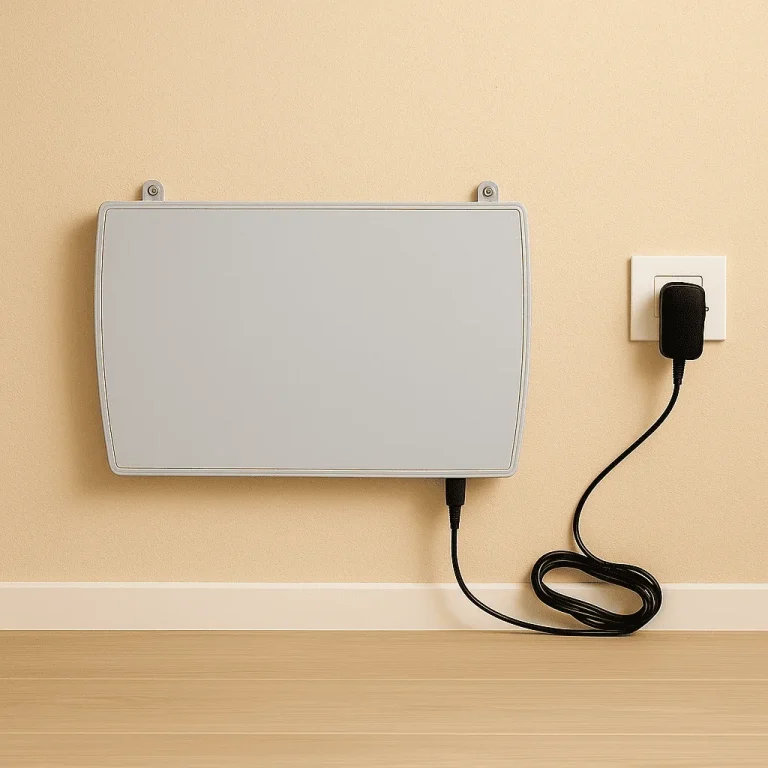
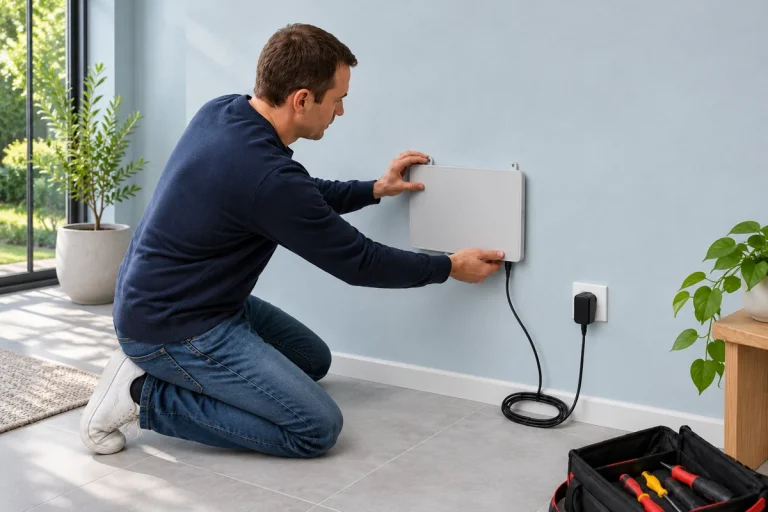
The ATG device is a geomagnetic solution without electricity, useful when the building layout does not easily allow a powered ATE device.
Read the guideOur guides help you recognise signs of condensation, water ingress or rising damp and choose a suitable solution.
Visible signs provide clues. Investigations and suitable measurements are needed to check the cause.
Question 1 / 3
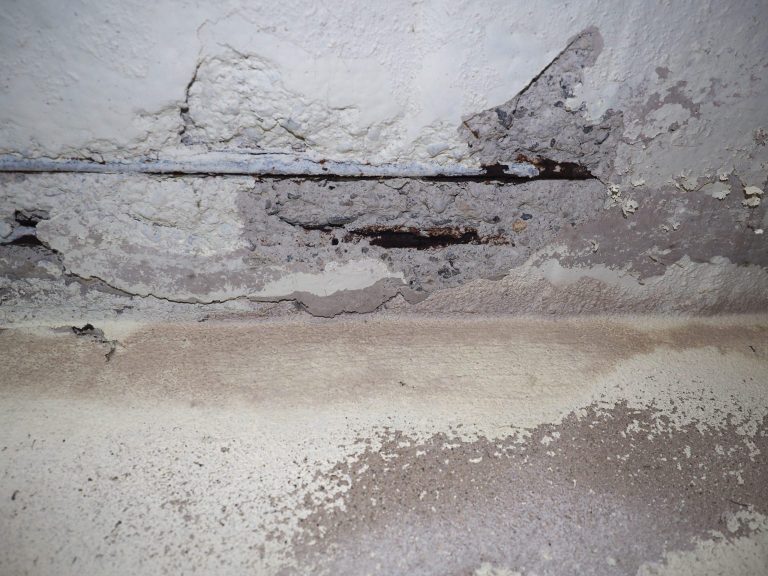
Are the marks at the bottom of the wall?
This questionnaire provides guidance; it does not confirm a diagnosis.
22 articles
The ATG device is a geomagnetic solution without electricity, useful when the building layout does not easily allow a powered ATE device.
Read the guideThe ATE range includes LC15, LC30, LC30 PULSE and MAX.
Read the guideATG LC15 and ATG LC30 are presented as geomagnetic devices without an electrical supply.
Read the guideBefore choosing a wall drying device, distinguish radius, diameter and floor area. Compare stated coverage with your building plan and installation position.
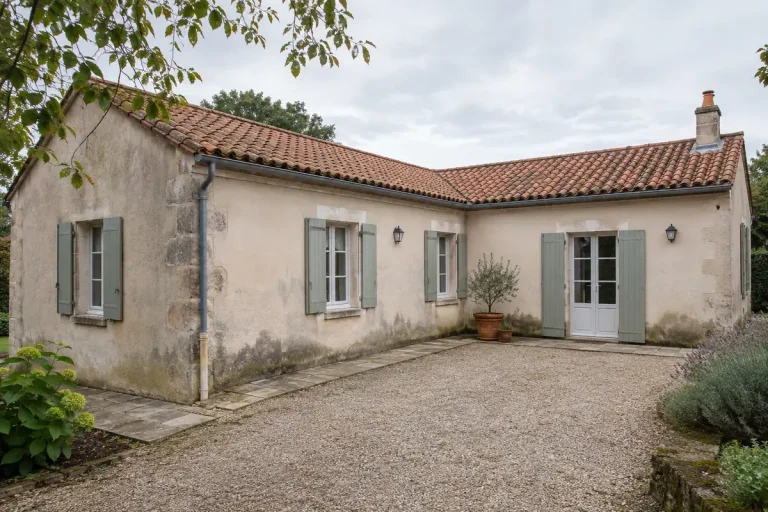
Read the guideA stated device diameter is not floor area. Use the building plan, wings, levels and installation point to compare Humidistop coverage before ordering.
Read the guideCheck rising damp device coverage against your floor plan: diameter, position, affected walls and the building details needed to compare ATE and ATG models.
Read the guideCompare manufacturer identity, model documents, stated coverage and warranty rather than the enclosure or price alone. Explore ATG devices and customer feedback.
Read the guideExplore ATE MAX: stated 60-metre diameter, mains supply, instructions, installation preparation and wall monitoring before ordering.
Read the guideExplore ATE LC30: stated 30-metre diameter, mains supply, instructions, installation preparation and wall monitoring before ordering.
Read the guideExplore ATE LC15: stated 15-metre diameter, mains supply, instructions, installation preparation and wall monitoring before ordering.
Read the guide