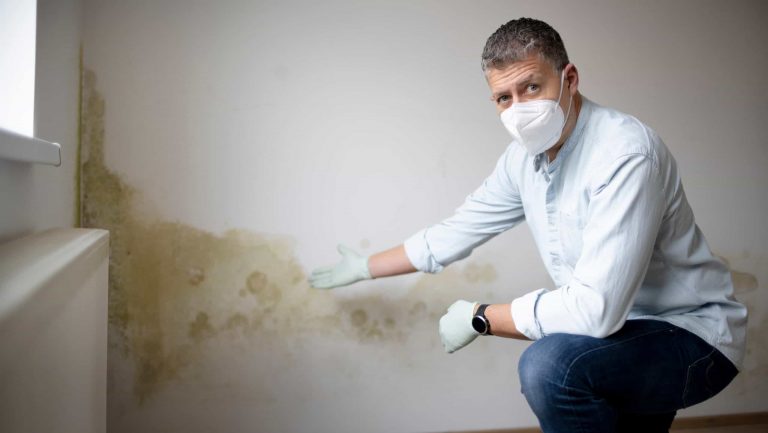
Rising damp: signs, causes and solutions
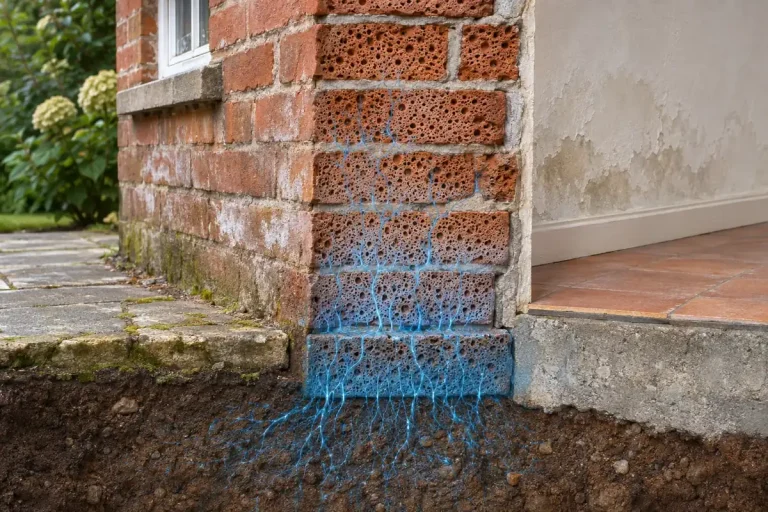
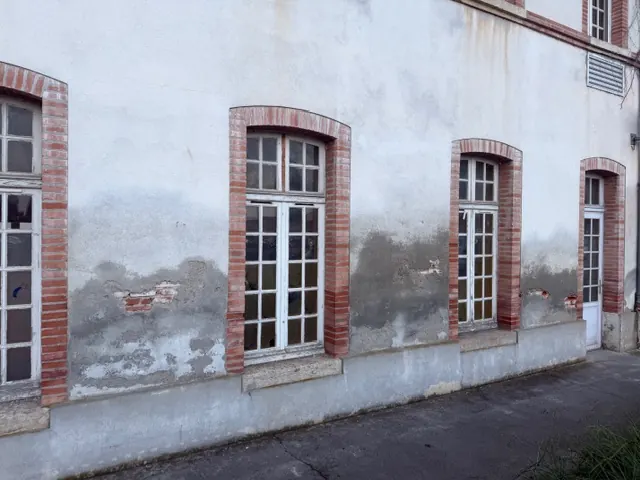
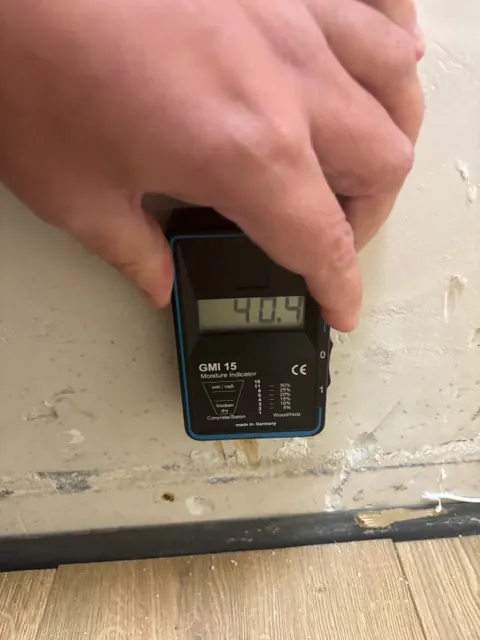
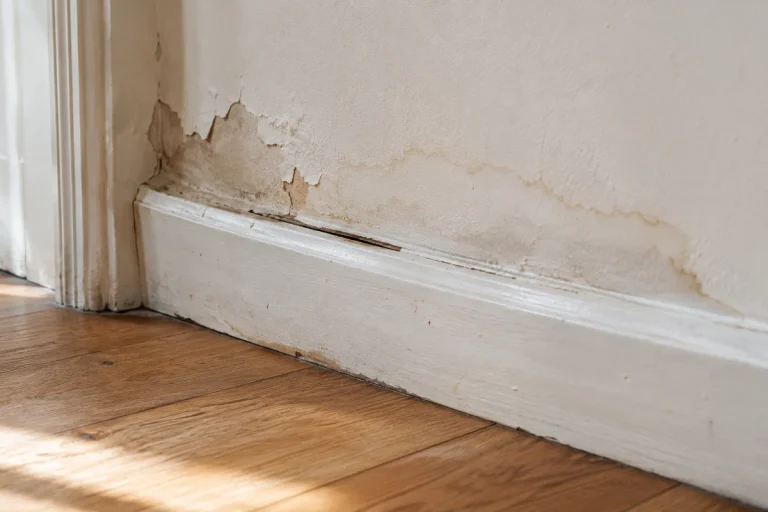
Rising damp often worries homeowners because it appears gradually and can end up damaging walls, plaster and paint. The problem comes from water in the gro
Read the guideOur guides help you recognise signs of condensation, water ingress or rising damp and choose a suitable solution.
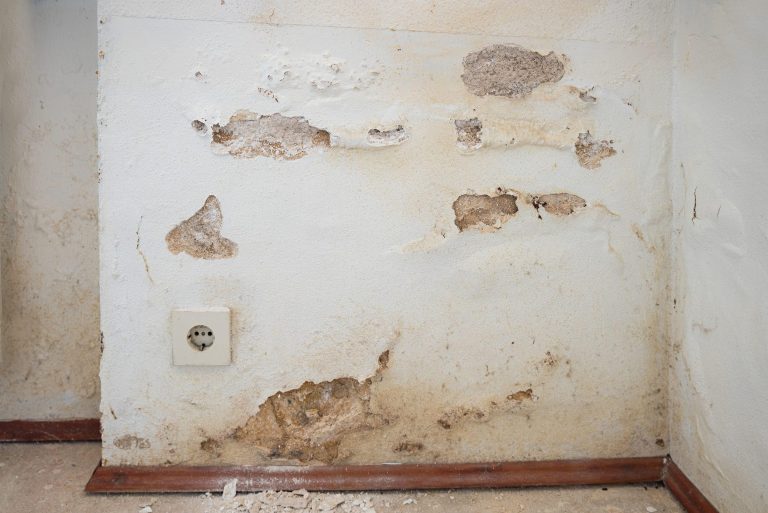
Visible signs provide clues. Investigations and suitable measurements are needed to check the cause.
Question 1 / 3
Are the marks at the bottom of the wall?
This questionnaire provides guidance; it does not confirm a diagnosis.
12 articles
Rising damp often worries homeowners because it appears gradually and can end up damaging walls, plaster and paint. The problem comes from water in the gro
Read the guideUnderstand how ground moisture can move through masonry, interpret salts and damage, distinguish other causes and plan checks before choosing treatment.
Read the guideUnderstand capillary moisture, distinguish ingress and condensation and compare ATE/ATG using the building plan and instructions after identifying the cause.
Read the guideThe height of a mark alone cannot confirm rising damp. Learn how to record marks, investigate other causes and monitor a wall before choosing a treatment.
Read the guideNew marks after renovation do not prove rising damp or defective work. Review ground levels, coatings, windows, water services and measurements before treatment.
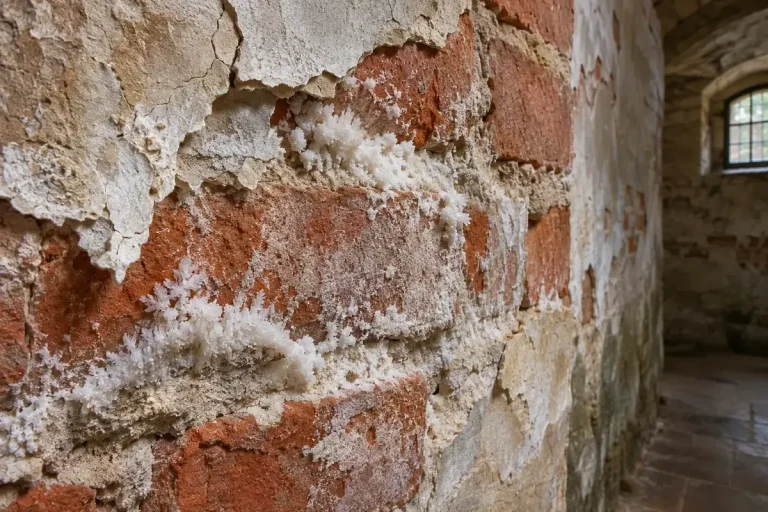
Read the guideSaltpetre on walls is often a visible sign of a damp problem. Learn what causes it and how to avoid repeated damage.
Read the guideWhite deposits alone do not identify rising damp. Distinguish salts, active water sources and damaged finishes before cleaning, repairing or choosing a device.
Read the guideIf white salts return after painting, check ongoing water, salts in the substrate and finish compatibility. Do not diagnose rising damp from deposits alone.
Read the guideRecord white deposits and blistering paint before redecorating. Distinguish the water source, salts and damaged substrate before choosing repairs or a device.
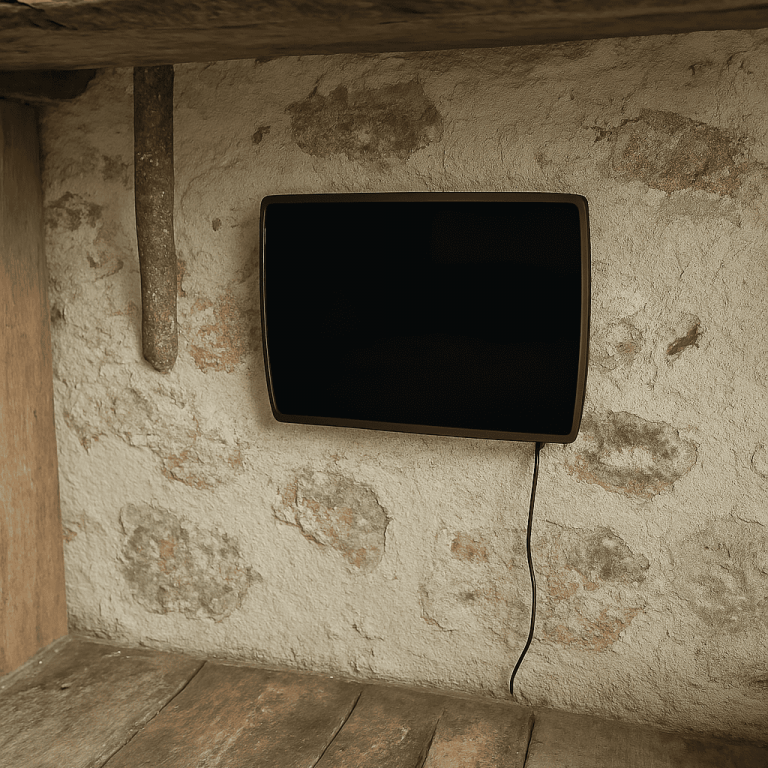
Read the guideCompare drainage, injection, physical barriers, finishes and ATE/ATG devices by function. The cause, substrate, building conditions and monitoring guide the choice.
Read the guide