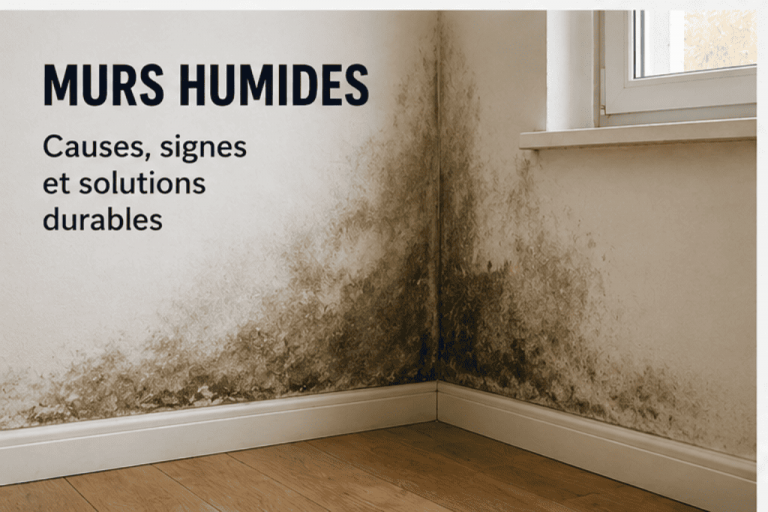
Damp Wall Treatment: Which Solution Should You Choose?
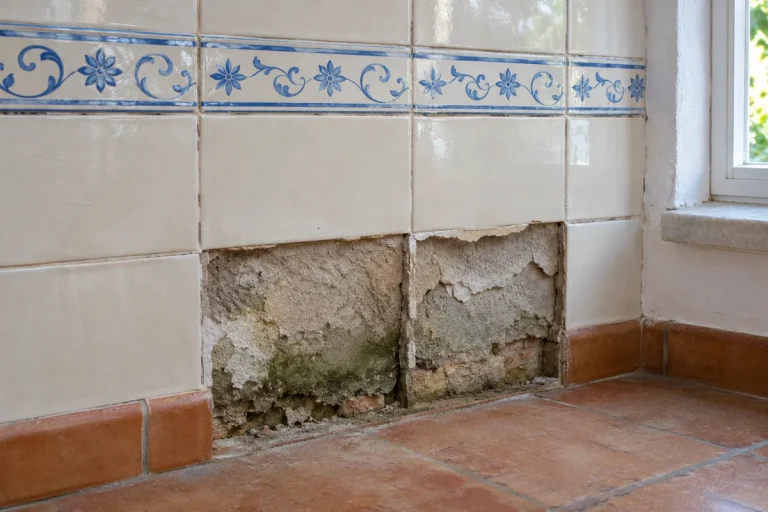
Damp wall treatment: injection, tanking, drainage or polarity inversion? An honest comparison to help you choose the right solution for the cause.
Read the guideOur guides help you recognise signs of condensation, water ingress or rising damp and choose a suitable solution.
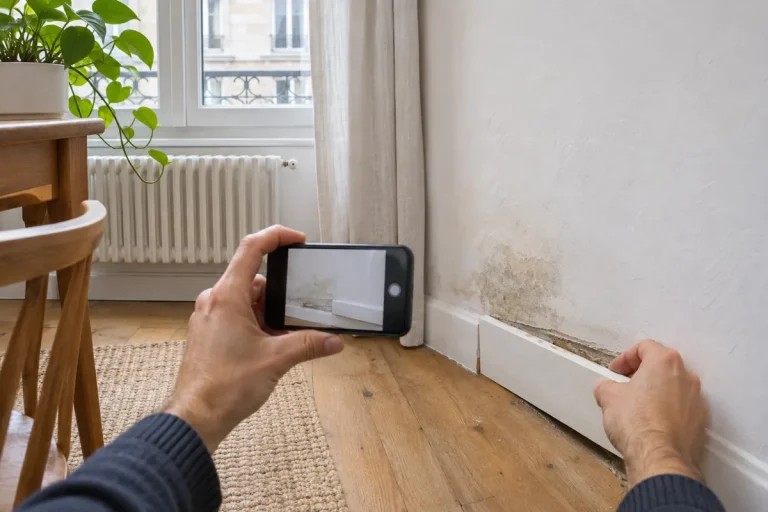
Visible signs provide clues. Investigations and suitable measurements are needed to check the cause.
Question 1 / 3
Are the marks at the bottom of the wall?
This questionnaire provides guidance; it does not confirm a diagnosis.
20 articles
Damp wall treatment: injection, tanking, drainage or polarity inversion? An honest comparison to help you choose the right solution for the cause.
Read the guideBefore installation, mark the walls and observation areas on a plan.
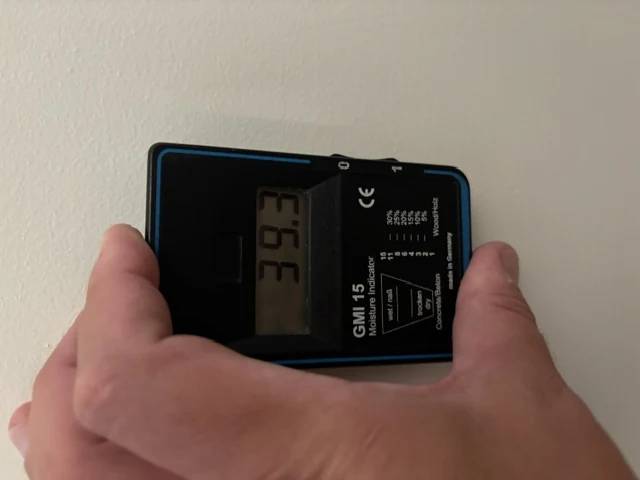
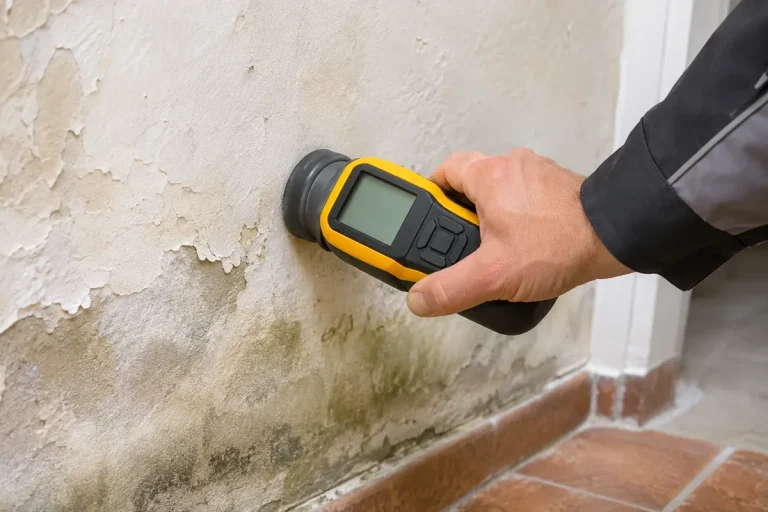
Read the guideUnderstand wall moisture readings, the difference from indoor humidity, and how materials affect the figures before choosing an ATE or ATG wall drying device.
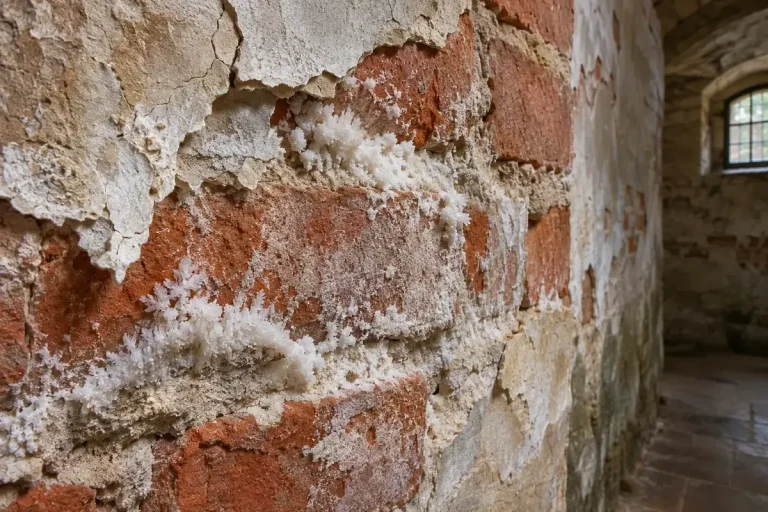
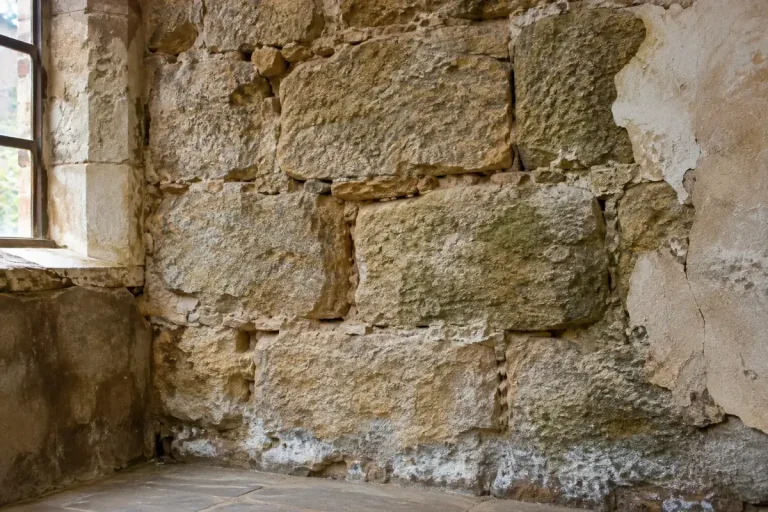
Read the guideIf white salts return after painting, check ongoing water, salts in the substrate and finish compatibility. Do not diagnose rising damp from deposits alone.
Read the guideWater treatment and plaster repair answer different questions. Assess salts, moisture measurements and substrate condition before comparing quotations and finishes.
Read the guideCompare resin injection and ATE/ATG devices after identifying the moisture cause. Check masonry, installation, coverage, monitoring and finishing costs.
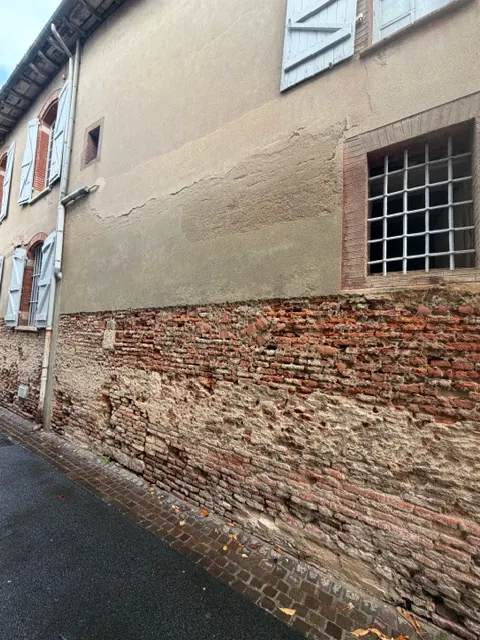
Read the guidePrefer to avoid resin injection? Compare the diagnosis, wall constraints, installation requirements and monitoring before choosing an alternative for rising damp.
Read the guideBefore comparing resin injection and ATE/ATG, separate access, drilling, treatment and finish repairs. Check the actual system instructions and full project cost.
Read the guideCompare resin injection and ATE/ATG installation through substrate, drilling, instructions, monitoring and finishes after identifying the moisture cause.
Read the guideResin injection is a well-known method against rising damp, but it is not the only option. Many homeowners now want to dry a damp wall without multiple dri
Read the guide