Damp in an old house: what should you do?
Damp in an old house should not be treated as a simple cosmetic defect. Thick walls, porous materials, old floors and the absence of an effective damp-proo
Read the guideOur guides help you recognise signs of condensation, water ingress or rising damp and choose a suitable solution.
Visible signs provide clues. Investigations and suitable measurements are needed to check the cause.
Question 1 / 3
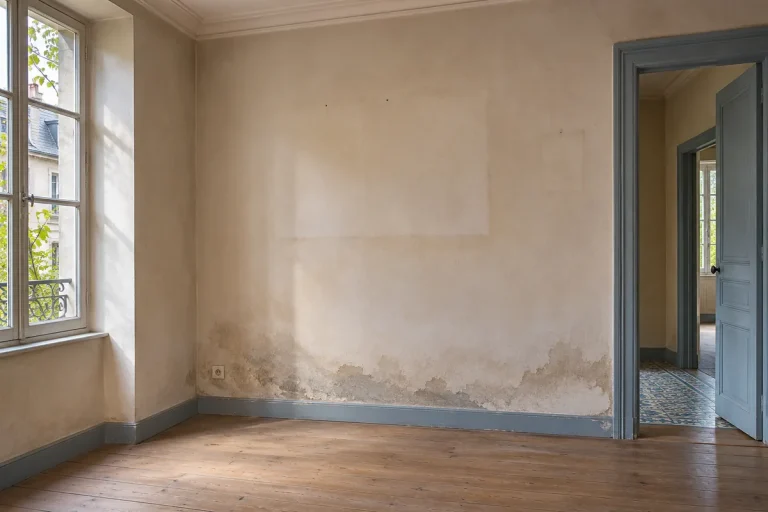
Are the marks at the bottom of the wall?
This questionnaire provides guidance; it does not confirm a diagnosis.
17 articles
Damp in an old house should not be treated as a simple cosmetic defect. Thick walls, porous materials, old floors and the absence of an effective damp-proo
Read the guideIn an older house, distinguish ground moisture, ingress, leaks and condensation. Review materials and alterations before choosing finishes or ATE/ATG devices.
Read the guideDamp on an internal wall: understand rising damp, compare ATE and ATG coverage and power requirements, and prepare installation with the supplied instructions.
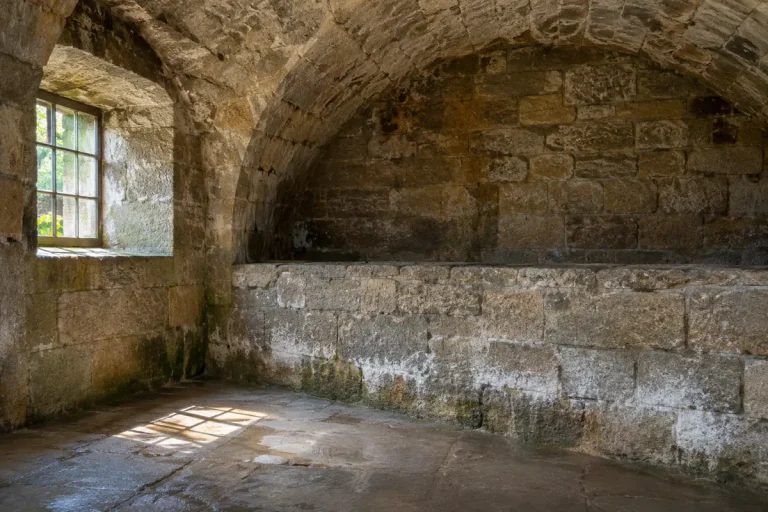
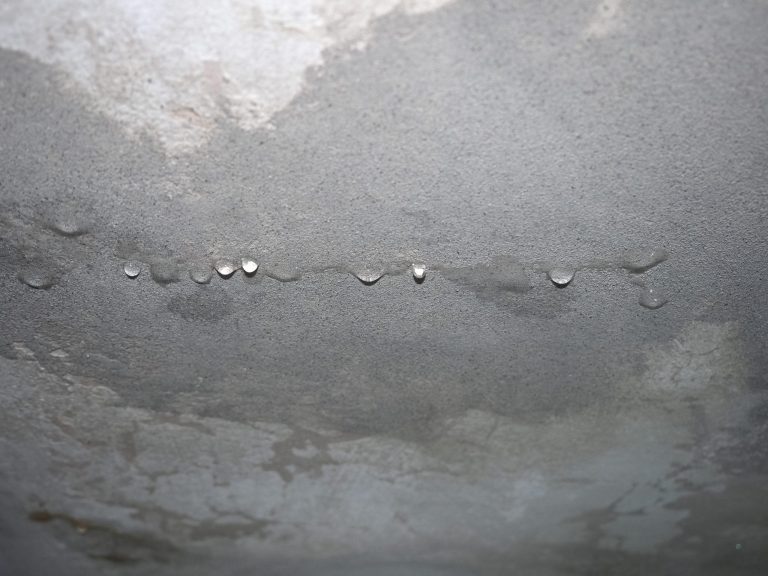
Read the guideDamp basement, musty smell and weeping walls? Practical tips to ventilate, protect your belongings and limit the damage at home.
Read the guideToo much humidity in the house? Here are simple everyday habits to air out, ventilate and cut condensation, with no major work at all.
Read the guideA wall that stays damp after work often creates confusion. The homeowner may have redone the plaster, changed the paint, improved ventilation or installed
Read the guideBefore choosing work, record where and when damp appears.
Read the guide