Rising damp treatment without injection: comparing options
Before comparing injection with a device, establish the moisture mechanism under consideration.
Read the guideOur guides help you recognise signs of condensation, water ingress or rising damp and choose a suitable solution.
Visible signs provide clues. Investigations and suitable measurements are needed to check the cause.
Question 1 / 3
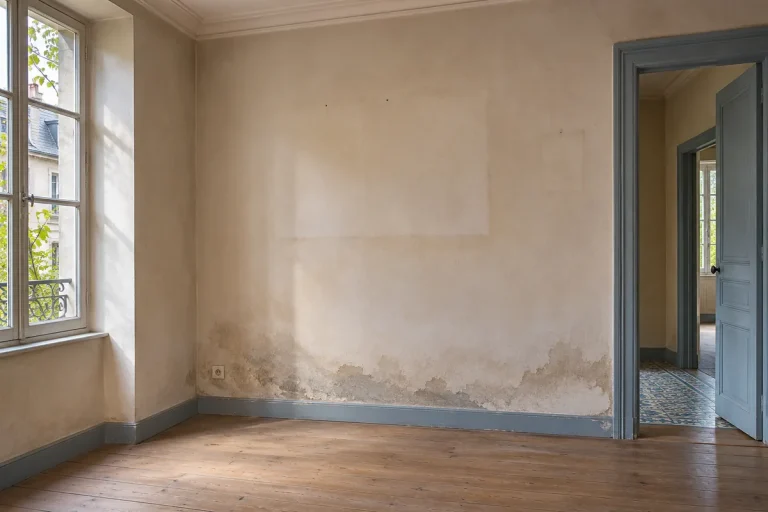
Are the marks at the bottom of the wall?
This questionnaire provides guidance; it does not confirm a diagnosis.
20 articles
Before comparing injection with a device, establish the moisture mechanism under consideration.
Read the guideAfter water damage, repair the water source and monitor the affected materials. Learn what to check before closing linings or repainting a wall.
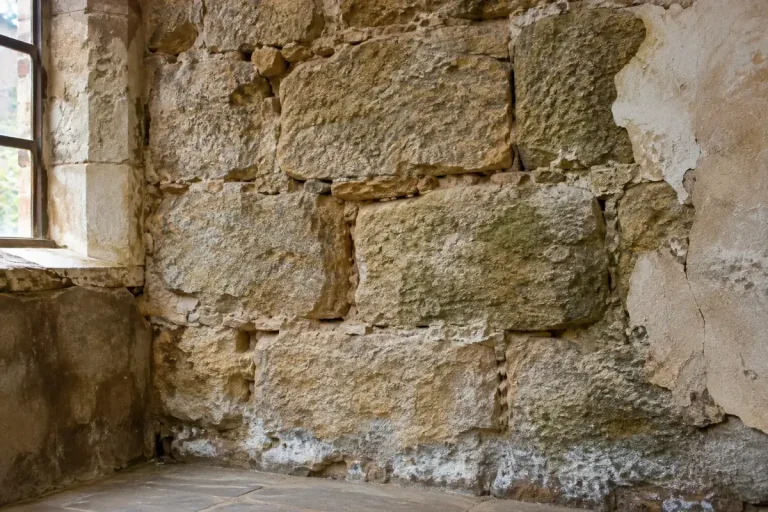
Read the guideBefore drying or refinishing an old stone wall, record its materials, changes and water sources. Compare ATE and ATG only for identified rising damp.
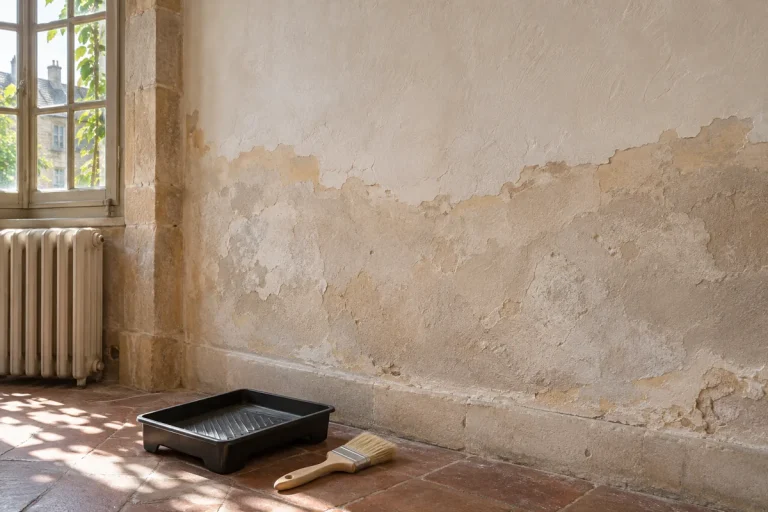
Read the guideA cement render goes back on a rising damp wall and lasts a season before it drums hollow again. Here’s how to render a damp wall so the repair actually…
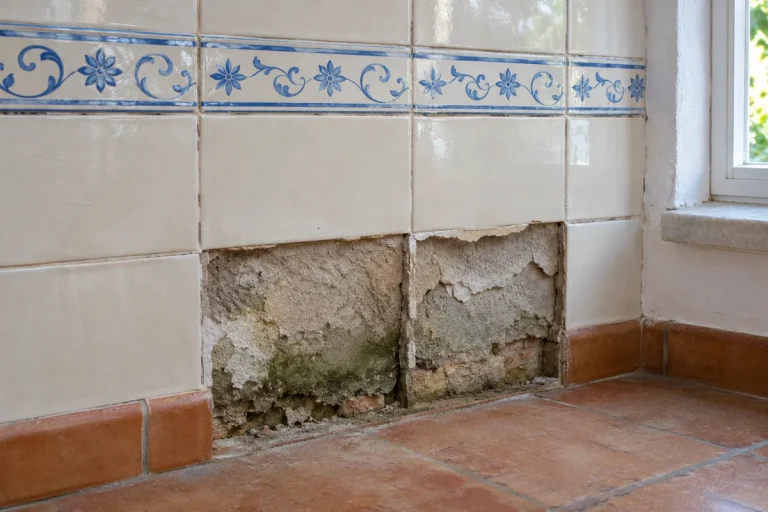
Read the guideLoose tiles low on a wall can involve adhesion, substrate damage or water. Check the cause before repairs or choosing a rising damp device.
Read the guideCrumbling external render at the base of a wall nearly always tells the same story: water rises, evaporates at the outer face and leaves its salts.
Read the guideDamp proofing cost: injection, drainage, tanking or a drying device. The real market ranges and how to pay the fair price for your walls.
Read the guideCompare damp treatment offers through the identified cause, exact equipment, work and total cost. Read installation conditions and written warranties before deciding.
Read the guideIdentify water sources first, then define treatment and finish repairs.
Read the guideRead the wall, deal with the leaks, treat the masonry, then finish with vapour-open materials that keep the wall dry.
Read the guide