Wall drying devices: understand radius, diameter and building layout
Before choosing a wall drying device, distinguish radius, diameter and floor area. Compare stated coverage with your building plan and installation position.
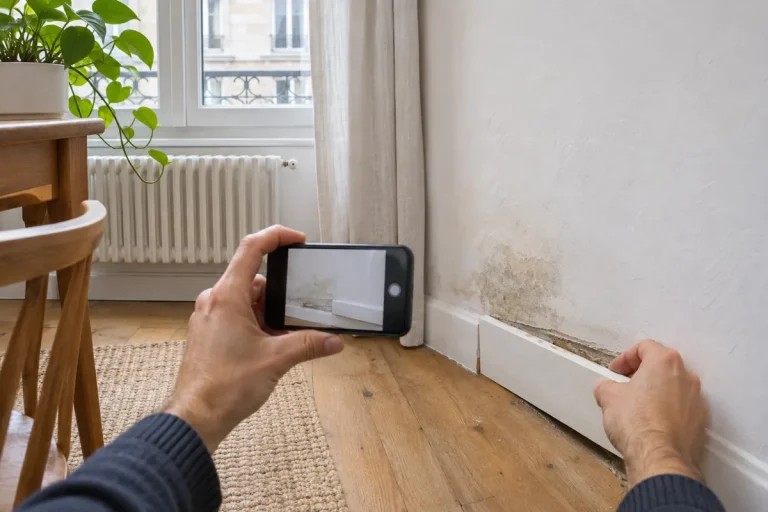
Read the guideOur guides help you recognise signs of condensation, water ingress or rising damp and choose a suitable solution.
Visible signs provide clues. Investigations and suitable measurements are needed to check the cause.
Question 1 / 3
Are the marks at the bottom of the wall?
This questionnaire provides guidance; it does not confirm a diagnosis.
41 articles
Before choosing a wall drying device, distinguish radius, diameter and floor area. Compare stated coverage with your building plan and installation position.
Read the guideCompare resin injection and ATE/ATG devices after identifying the moisture cause. Check masonry, installation, coverage, monitoring and finishing costs.
Read the guideRising damp devices: compare ATE and ATG models, coverage, power supply, installation and price. Find practical advice to prepare your project with confidence.
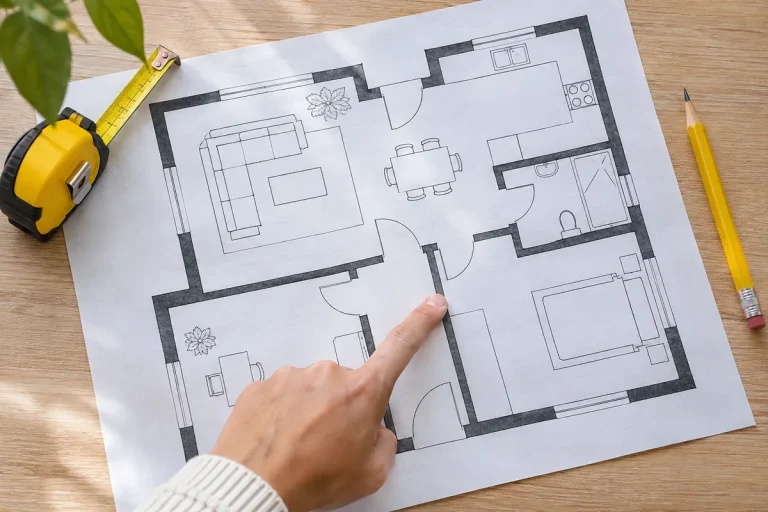
Read the guideCheck rising damp device coverage against your floor plan: diameter, position, affected walls and the building details needed to compare ATE and ATG models.
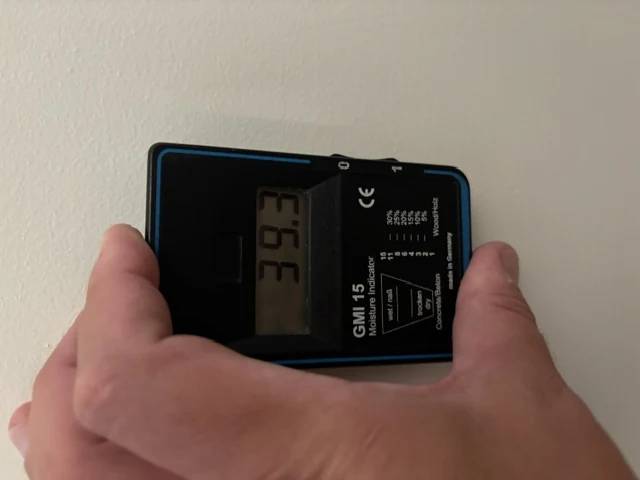
Read the guideUnderstand wall moisture readings, the difference from indoor humidity, and how materials affect the figures before choosing an ATE or ATG wall drying device.
Read the guideBefore installation, mark the walls and observation areas on a plan.
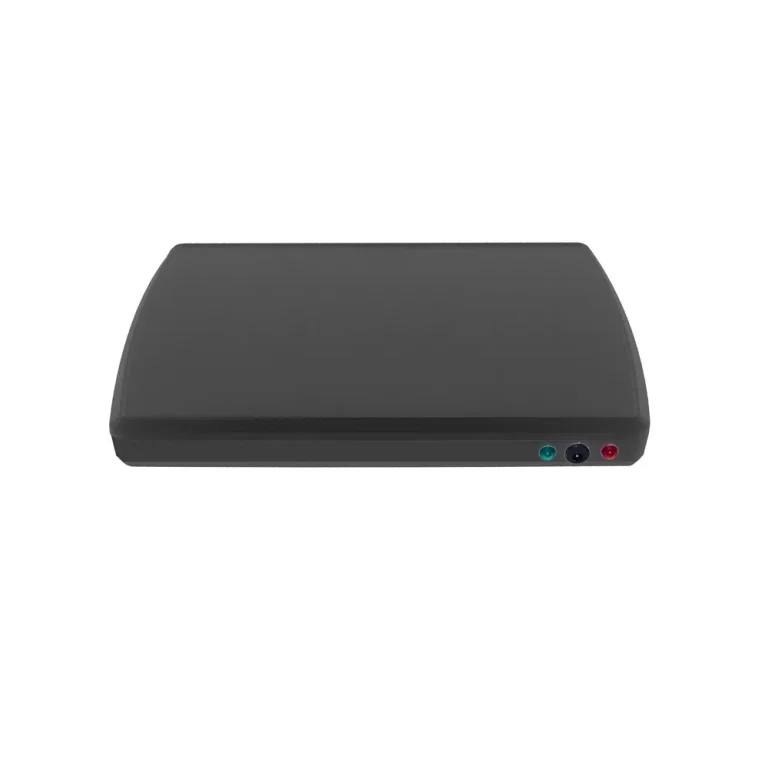
Read the guideThe ATE range includes LC15, LC30, LC30 PULSE and MAX.
Read the guideATG LC15 and ATG LC30 are presented as geomagnetic devices without an electrical supply.
Read the guideBefore comparing injection with a device, establish the moisture mechanism under consideration.
Read the guideA cement render goes back on a rising damp wall and lasts a season before it drums hollow again. Here’s how to render a damp wall so the repair actually…
Read the guide