Damp walls: understand the source before choosing a solution
Compare clues for condensation, leaks, water ingress and rising damp. Record the context, plan checks and choose suitable treatment before buying a device.
Read the guideOur guides help you recognise signs of condensation, water ingress or rising damp and choose a suitable solution.
Visible signs provide clues. Investigations and suitable measurements are needed to check the cause.
Question 1 / 3
Are the marks at the bottom of the wall?
This questionnaire provides guidance; it does not confirm a diagnosis.
38 articles
Compare clues for condensation, leaks, water ingress and rising damp. Record the context, plan checks and choose suitable treatment before buying a device.
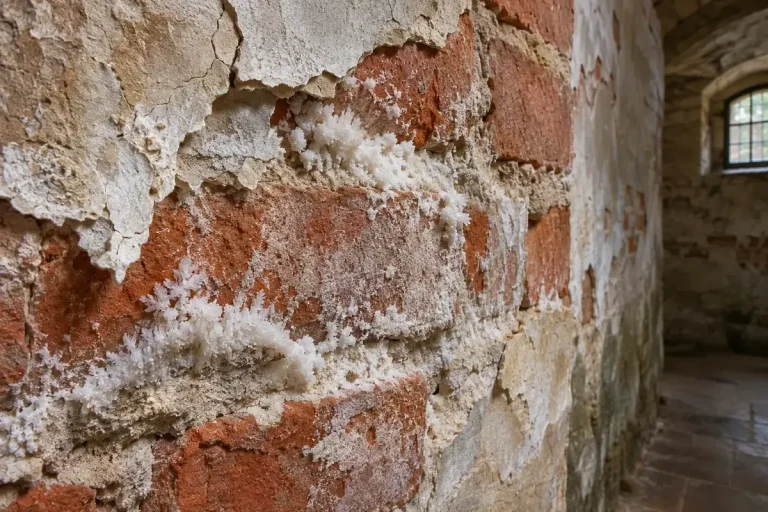
Read the guideWhite deposits alone do not identify rising damp. Distinguish salts, active water sources and damaged finishes before cleaning, repairing or choosing a device.
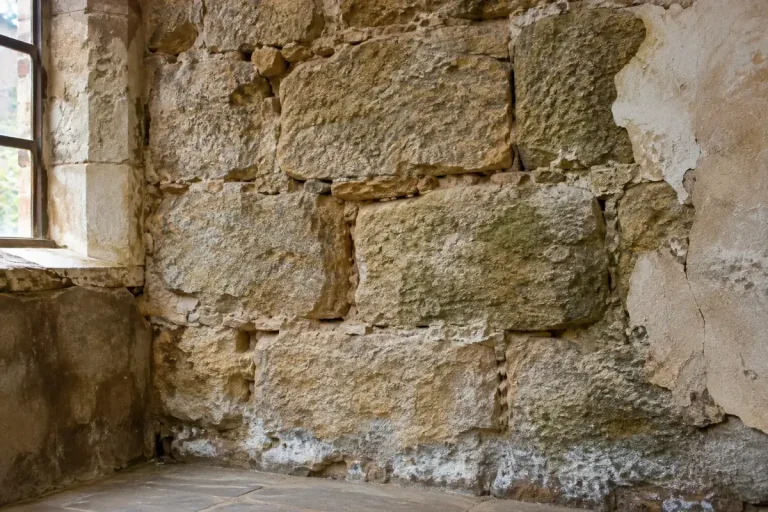
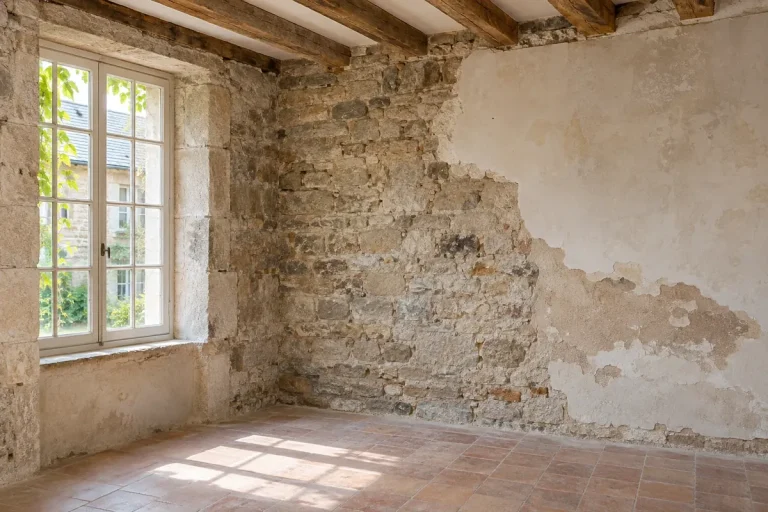
Read the guideIn an older house, distinguish ground moisture, ingress, leaks and condensation. Review materials and alterations before choosing finishes or ATE/ATG devices.
Read the guideNew marks after renovation do not prove rising damp or defective work. Review ground levels, coatings, windows, water services and measurements before treatment.
Read the guideCondensation, leaks, outside ingress, rising damp and residual salts can look similar. Compare clues, record the building context and choose for the identified cause.
Read the guideIf white salts return after painting, check ongoing water, salts in the substrate and finish compatibility. Do not diagnose rising damp from deposits alone.
Read the guideRecord white deposits and blistering paint before redecorating. Distinguish the water source, salts and damaged substrate before choosing repairs or a device.
Read the guideBefore covering a mouldy wall, investigate air, water sources, salts and the substrate. Separate insulation design from rising damp equipment selection.
Read the guideDamp on an internal wall: understand rising damp, compare ATE and ATG coverage and power requirements, and prepare installation with the supplied instructions.
Read the guideA device that does not require major installation work does not mean the building will require no intervention.
Read the guide